There’s a special joy that comes from growing your own food, isn’t there? Watching tiny seeds transform into vibrant plants, nurturing them with care, and finally, harvesting the fruits (and veggies!) of your labor. It’s a connection to nature, a taste of self-sufficiency, and truly, one of life’s simple pleasures. But for many of us, especially new gardeners, a common question pops up: “How long will it take for my plants to grow?”
Understanding the typical growth cycle of your favorite vegetables isn’t just about satisfying curiosity; it’s a cornerstone of successful gardening. Knowing when to expect a harvest helps you plan your garden space, manage your time, and ensure you’re picking your produce at its peak flavor and freshness. Think of it as your garden’s internal clock, guiding your planting and harvesting rhythm.
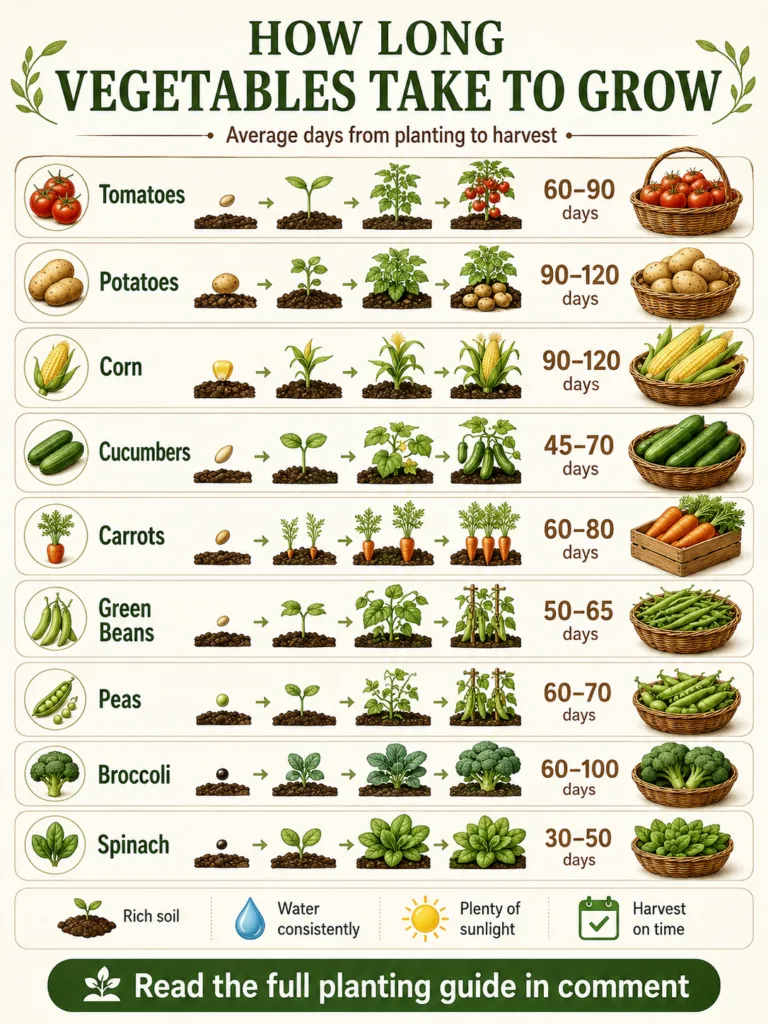 This infographic illustrates the diverse growing periods of common garden vegetables.
Understanding ‘Days to Harvest’
When you look at a seed packet or a plant tag, you’ll often see a number like “60-85 days.” This refers to the average number of days from when you plant the seed (or transplant a seedling) until the plant is ready for its first harvest. It’s an estimate, of course, because nature isn’t always perfectly predictable. Many factors can influence this timeline, which we’ll explore shortly.
Popular Vegetables and Their Typical Harvest Windows
Let’s take a peek at some garden favorites and their general timelines. This can help you better schedule your planting for a continuous bounty!
- Tomatoes: (60-85 days) Our beloved tomatoes come in many varieties, from early-producing determinate types to long-bearing indeterminate plants. Most common slicing tomatoes are ready in about 60-85 days after transplanting a seedling. Remember, tomatoes love sun and consistent water to develop those juicy fruits!
- Potatoes: (70-120 days) “New potatoes” can be harvested earlier, around 7-8 weeks after planting, for a tender treat. But for larger, storage-worthy spuds, you’ll want to wait until the plant’s foliage starts to yellow and die back, usually 10-17 weeks (70-120 days).
- Corn: (60-100 days) A summer staple! Sweet corn typically matures in 60-100 days. Knowing when to pick corn is key – the silks should be brown and dry, and a quick peek under the husk should reveal plump kernels.
- Cucumbers: (50-70 days) These quick growers can provide a harvest in as little as 50 days. Pick them regularly to encourage more production and prevent them from becoming too large and seedy.
- Carrots: (60-80 days) Carrots are usually ready in 60-80 days. The best way to check is to gently brush aside the soil at the top of the root and see if it’s thick enough to harvest. Loose, rich soil is crucial for straight, well-formed carrots.
- Green Beans: (50-60 days) Another speedy producer, green beans can be ready in 50-60 days. Harvest them often when they are young and tender for the best flavor and to keep the plants producing more pods.
- Peas: (60-70 days) Garden peas are typically ready in 60-70 days. Keep an eye on the pods – when they look plump and full, they’re ready! Shelling peas before they get too old is the secret to sweet tenderness.
- Broccoli: (60-90 days) Broccoli usually takes 60-90 days to produce its main head. Don’t pull the plant after the main harvest! Often, smaller side shoots will continue to grow, giving you extended picking.
- Spinach: (30-45 days) Spinach is a fantastic choice for quick gratification, ready in just 30-45 days. You can often harvest the outer leaves, allowing the plant to continue producing from its center for several weeks.
The Essential Ingredients for a Bountiful Harvest
While the “days to harvest” gives us a good estimate, how well your plants grow and how quickly they mature is deeply tied to a few foundational gardening practices. These are the secrets to transforming your daily routine into a thriving, sustainable practice:
1. Rich, Healthy Soil
Good soil isn’t just dirt; it’s a living ecosystem. It provides the nutrients, structure, and aeration roots need to flourish. Amending your soil with organic matter like compost is one of the best things you can do. It improves drainage in heavy clay soils and water retention in sandy soils, making nutrients available to your plants. Healthy soil leads to healthy, vigorous plants that grow on schedule.
2. Consistent Watering
Water is life, and consistent moisture is critical for plant growth, especially during flowering and fruiting stages. Deep, infrequent watering is generally better than shallow, frequent watering, as it encourages roots to grow deeper, making plants more resilient. Check your soil moisture regularly – if the top inch or two feels dry, it’s likely time to water.
3. Plenty of Sunlight
Most vegetables are sun-worshippers, needing at least 6-8 hours of direct sunlight per day to produce well. Without adequate sun, plants might grow tall and spindly (reaching for light), produce fewer fruits, or take much longer to mature. When planning your garden layout, always consider the sunniest spots for your vegetable patches.
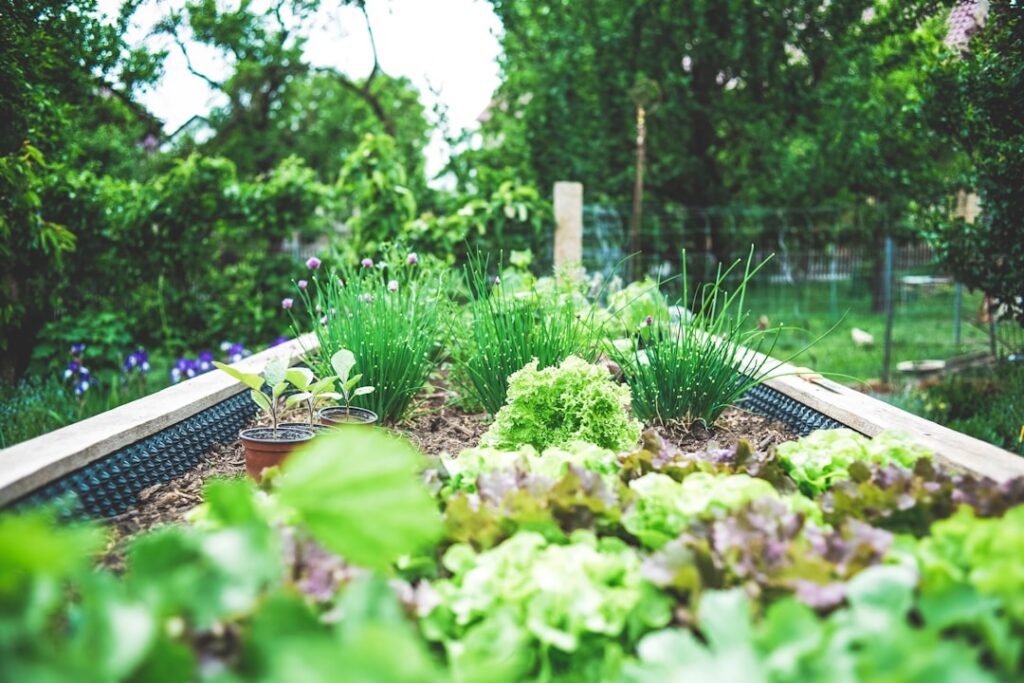 Ensuring your garden gets ample sunlight is key to vigorous plant growth.
4. Harvest on Time!
This might seem obvious, but timely harvesting is crucial. Picking vegetables when they’re ripe not only ensures the best flavor and texture but also encourages the plant to produce more. If you leave ripe vegetables on the plant, the plant often thinks its life cycle is complete and slows down or stops producing new fruits. For many vegetables, a little and often approach works best.
Factors That Influence Growth Timelines
Even with perfect conditions, sometimes your plants might grow faster or slower than the average. Here’s why:
- Variety: Different cultivars of the same vegetable can have vastly different maturity dates. Always check your specific seed packet.
- Weather & Climate (USA Zones): Unseasonably cold springs, scorching summers, or excessive rain can all impact growth. Knowing your USDA Plant Hardiness Zone helps select plants suited for your local climate, but microclimates and specific seasonal weather play a big role.
- Soil Fertility: Nutrient-deficient soil will slow growth. Regular feeding with compost or balanced organic fertilizers can help.
- Pest & Disease Pressure: Stressed plants dealing with pests or diseases will put their energy into survival rather than growth and fruit production.
- Water & Nutrients: Inconsistent watering or nutrient deficiencies can significantly delay maturity.
Practical Tips for Maximizing Your Harvest and Joy
- Succession Planting: For fast-growing crops like lettuce, spinach, or radishes, plant small batches every 2-3 weeks. This ensures a continuous harvest rather than a single large one that might overwhelm you.
- Keep Good Records: Jot down when you planted what, and when you first harvested. This becomes invaluable knowledge for future seasons.
- Observe Your Plants: Your plants will tell you what they need! Yellowing leaves, wilting, or stunted growth are all signs to investigate.
- Extend Your Season: Consider using row covers, cold frames, or even a simple hoop house to get an earlier start in spring or extend your harvest into fall.
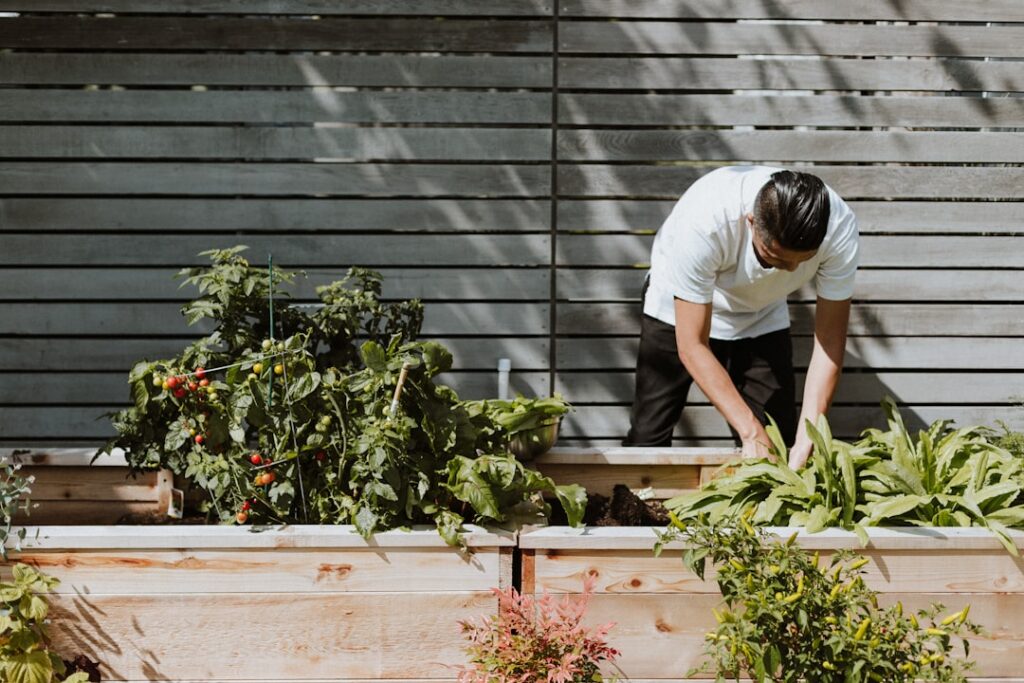 The reward of patient gardening: a basket full of fresh, homegrown produce!
Wrapping Up
Gardening is an ongoing lesson in patience and observation. While knowing the average “days to harvest” provides a helpful roadmap, remember that every garden, every season, and every plant is a little different. By focusing on rich soil, consistent water, plenty of sunlight, and harvesting your bounty on time, you’re setting yourself up for incredible success.
So, step out into your garden, feel the soil between your fingers, watch your plants grow, and enjoy the delicious rewards. Happy gardening!