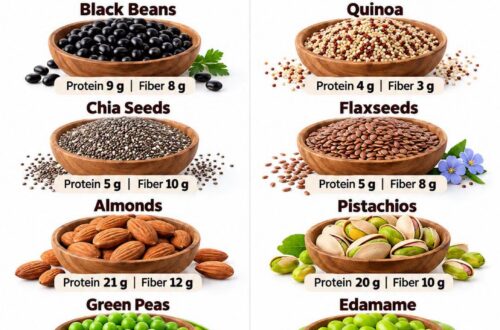
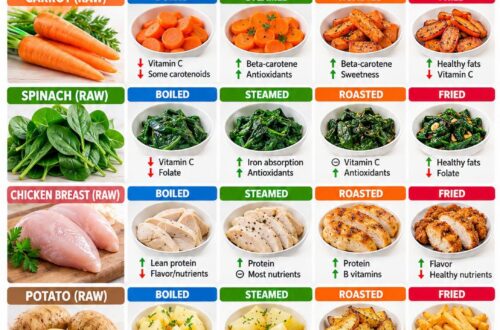
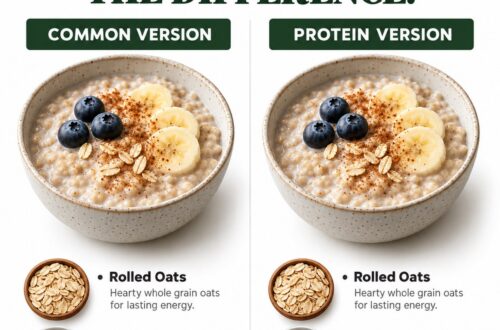
In the world of superfoods, chia seeds and sabja (or basil) seeds often share the spotlight, sometimes causing a bit of confusion. While both are tiny powerhouses known for their ability to swell in liquid and provide a host of health benefits, they are distinct in their origins, nutritional profiles, and best uses. Understanding these differences can help you make informed choices to boost your metabolic health and enhance your healthy recipes.
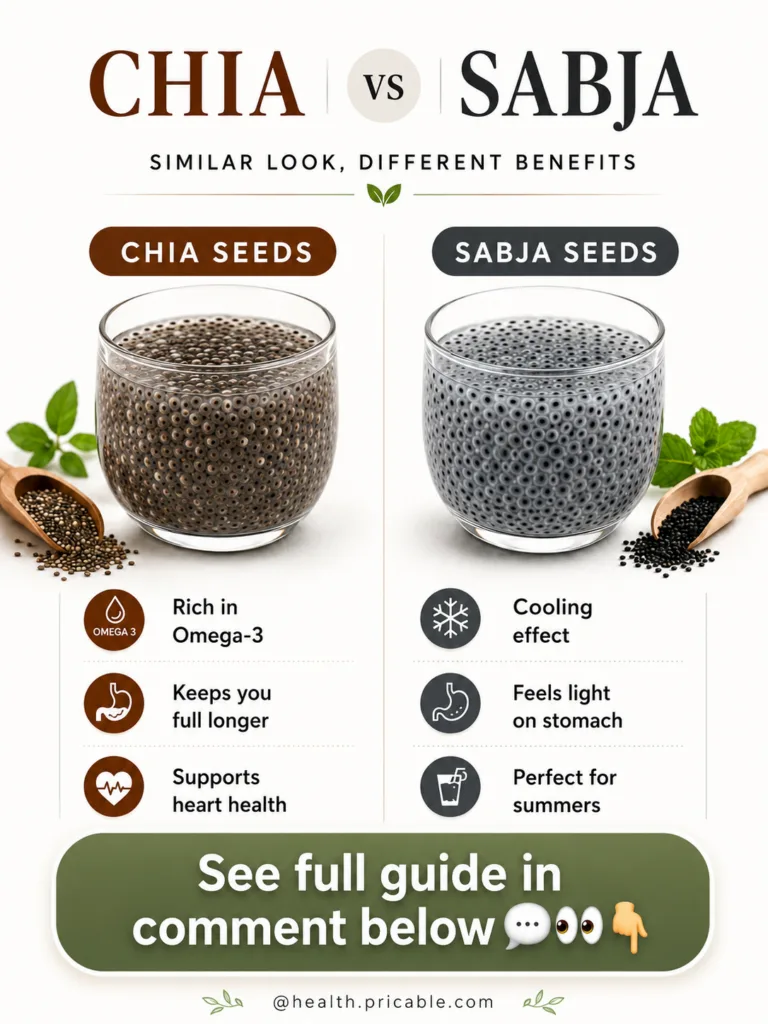 Unpacking the unique benefits and characteristics of Chia and Sabja seeds.
Meet the Tiny Titans: Chia Seeds and Sabja Seeds
Before diving into their differences, let’s get acquainted with each seed individually.
What Are Chia Seeds?
- Origin: Chia seeds come from the Salvia hispanica plant, a desert plant native to Central and South America. They were a staple food for ancient Aztecs and Mayans.
- Appearance: Small, oval-shaped seeds, typically grey with black and white spots. When soaked, they form a thick, gelatinous coating, creating a gel-like texture.
- Nutritional Profile: Renowned for being a fantastic source of plant-based Omega-3 fatty acids (ALA), fiber, protein, and various minerals like calcium, phosphorus, and magnesium.
What Are Sabja (Basil) Seeds?
- Origin: Sabja seeds, also known as basil seeds or tukmaria, come from the sweet basil plant (Ocimum basilicum), which is commonly used for culinary herbs. They are popular in Southeast Asian and Indian cuisines.
- Appearance: Slightly larger than chia seeds, teardrop-shaped, and typically black. When soaked, they rapidly swell and develop a distinct white translucent coating, making them look like tiny frog’s eggs.
- Nutritional Profile: Rich in fiber, iron, and phytochemicals. While they contain some Omega-3, it’s not as prominent as in chia seeds. They are particularly valued for their cooling properties.
Chia vs. Sabja: Key Differences at a Glance
While both seeds offer impressive health benefits, their unique attributes cater to different needs and culinary applications.
1. Origin and Botanical Source
- Chia Seeds: From the mint family (Lamiaceae), specifically Salvia hispanica.
- Sabja Seeds: Also from the mint family, but from the common basil plant (Ocimum basilicum).
2. Appearance and Gelling Property
- Chia Seeds: Oval, speckled grey/black/white. Soak up to 10-12 times their weight in liquid, forming a thick, uniform gel around the entire seed. They take longer to swell, typically 15-20 minutes.
- Sabja Seeds: Teardrop-shaped, uniformly black. Swell very quickly (within a few minutes) to form a larger, more distinct translucent white layer around a tiny black center. They create a less cohesive gel than chia.
3. Nutritional Highlights
- Chia Seeds:
- Omega-3 Fatty Acids (ALA): Excellent source, crucial for heart health and reducing inflammation.
- Fiber: Very high soluble and insoluble fiber content, promoting digestive health and sustained fullness.
- Protein: A good plant-based source of complete protein, containing all nine essential amino acids.
- Minerals: Rich in calcium, magnesium, phosphorus, and manganese.
- Sabja Seeds:
- Cooling Effect: Traditionally used in Ayurvedic and Unani medicine for their body-cooling properties, making them popular in summer drinks.
- Dietary Fiber: High in fiber, aiding digestion, promoting satiety, and helping with bowel regularity.
- Iron: Contain a decent amount of iron.
- Light on Stomach: Often considered lighter and easier to digest than chia seeds for some individuals.
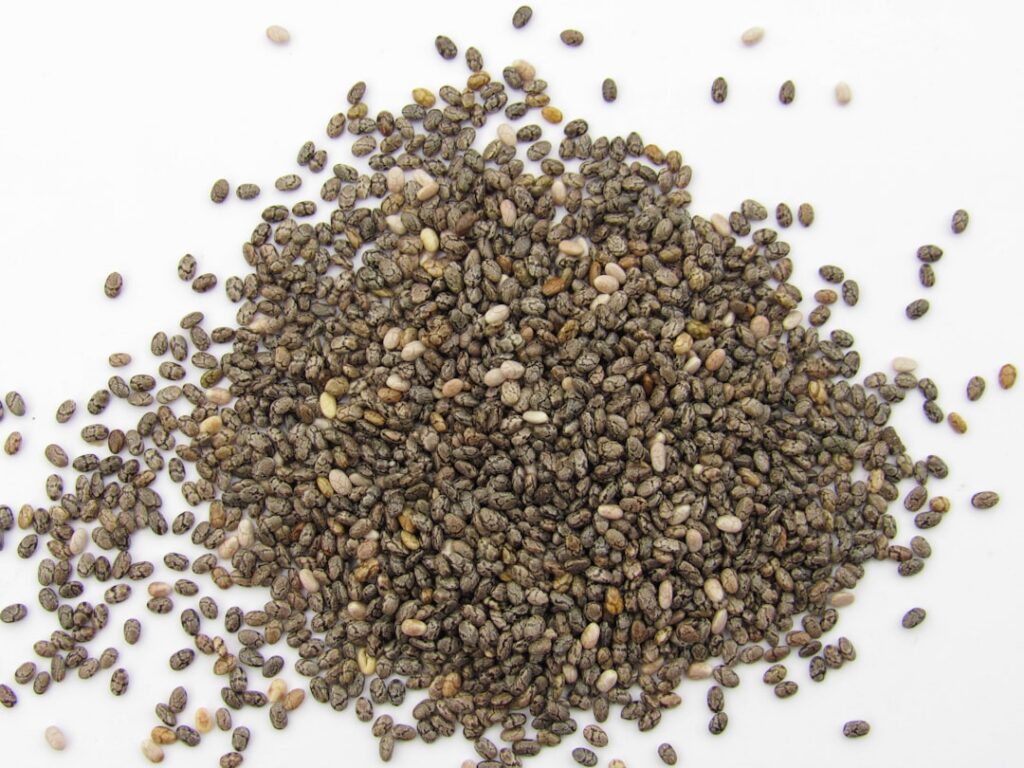 Chia seeds form a thick, uniform gel, perfect for puddings and thickening.
Health Benefits Demystified: Why Include Them in Your Diet?
The Power of Chia Seeds
Chia seeds are true nutritional superstars, offering benefits that are particularly valuable for busy, health-conscious individuals:
- Blood Sugar Balance: Their high fiber content slows down sugar absorption, helping to stabilize blood sugar levels and prevent spikes, a key aspect of metabolic health.
- Sustained Energy & Fullness: The combination of fiber, protein, and healthy fats provides lasting satiety, helping to curb cravings and support healthy eating habits. They expand in your stomach, keeping you feeling fuller for longer.
- Heart Health: The abundant Omega-3 fatty acids (ALA) are vital for reducing inflammation and supporting cardiovascular well-being.
- Bone Health: With significant amounts of calcium, magnesium, and phosphorus, chia seeds contribute to stronger bones.
- Digestive Regularity: The fiber acts as a prebiotic, feeding beneficial gut bacteria and promoting smooth digestion.
The Goodness of Sabja Seeds
Sabja seeds, while different from chia, bring their own unique set of benefits, especially suited for warmer climates or specific health needs:
- Natural Cooling Agent: Their most celebrated property is their ability to cool the body, making them a refreshing addition to summer beverages and desserts.
- Digestive Aid: High fiber content supports gut health, alleviating constipation and promoting regularity. They can also have a soothing effect on the stomach.
- Gentle Detoxification: Traditionally believed to help cleanse the digestive tract due to their mucilaginous fiber.
- Acidity Relief: Some find sabja seeds helpful in neutralizing stomach acid and providing relief from heartburn.
[IMAGE PLACEHOLDER: Close-up of hydrated sabja seeds in a refreshing summer drink, showing their distinct translucent white coating, with mint leaves and ice.]
Sabja seeds are a staple in cooling beverages, known for their distinctive texture and refreshing properties.
How to Use Them: Practical Tips & Simple Recipes
Cooking with Chia Seeds
Thanks to their strong gelling ability and neutral flavor, chia seeds are incredibly versatile:
- Chia Pudding: Mix 1/4 cup chia seeds with 1 cup of your preferred milk (almond, coconut, or dairy). Add a touch of sweetener (maple syrup, honey) and flavorings (vanilla, cocoa). Refrigerate overnight for a delightful breakfast or snack.
- Smoothie Booster: Add 1-2 tablespoons to your morning smoothie for extra fiber, Omega-3s, and a thicker consistency.
- Egg Substitute: For vegan baking, combine 1 tablespoon of ground chia seeds with 3 tablespoons of water. Let it sit for 5 minutes to form a gel, which can replace one egg.
- Thickening Agent: Use them to thicken soups, sauces, or homemade jams without altering flavor.
- Overnight Oats: Stir into overnight oats for added texture and nutrition.
Incorporating Sabja Seeds
Sabja seeds are best known for their role in beverages and desserts, offering a unique texture and cooling effect:
- Refreshing Drinks: Soak 1-2 teaspoons of sabja seeds in 1/2 cup water for about 10-15 minutes until they swell. Add them to lemonade, iced tea, coconut water, or traditional drinks like falooda and sherbets.
- Dessert Topping: Sprinkle soaked sabja seeds over fruit salads, puddings, or yogurt for an interesting texture and a cooling touch.
- Smoothie Addition: While they don’t thicken as much as chia, they can be added to smoothies for their fiber content and unique texture.
Pro Tip for Both Seeds: Always soak them before consumption. This not only makes them easier to digest but also allows you to enjoy their unique textural properties and nutrient release. For chia, a minimum of 15-20 minutes is good, but overnight is ideal for puddings. For sabja, 5-10 minutes is usually sufficient.
Storage and Best Practices
Both chia and sabja seeds should be stored in an airtight container in a cool, dark place to maintain their freshness and prevent rancidity. They have a long shelf life when stored correctly, typically several months to a year.
Frequently Asked Questions About Chia & Sabja Seeds
Can I consume chia seeds and sabja seeds daily?
Yes, both can be consumed daily in moderation as part of a balanced diet. Start with 1-2 tablespoons of chia seeds or 1-2 teaspoons of sabja seeds per day and ensure you drink plenty of water.
Do I need to soak sabja seeds before eating them?
Absolutely! Soaking is crucial for sabja seeds. They become much easier to digest and provide their characteristic texture and cooling properties once hydrated.
Which one is better for weight management?
Both seeds contribute to satiety due to their high fiber content, which can aid in weight management by reducing overall calorie intake. Chia seeds, with their higher fiber, protein, and healthy fats, often provide a longer-lasting feeling of fullness.
Can I use sabja seeds as a substitute for chia seeds?
While both are gelling seeds, their gelling properties and nutritional profiles are different. Sabja seeds can’t be a direct substitute for chia in recipes where a thick, uniform gel (like chia pudding or egg substitute) is essential. However, in drinks or as a general fiber booster, they can sometimes be interchangeable if texture isn’t a primary concern.
Embrace the Benefits of These Nutritional Gems
Whether you’re looking for an Omega-3 powerhouse to support your heart, a fiber-rich addition to balance blood sugar, or a refreshing coolant for summer days, both chia and sabja seeds offer unique and valuable contributions to a healthy lifestyle. Experiment with both to discover how these tiny titans can enhance your recipes and boost your well-being. Incorporating them into your daily routine is a simple, effective step towards better metabolic health and overall vitality.