Most people eagerly await the sweet, tropical fruit of the papaya tree, often overlooking the true powerhouse that lies in its vibrant green leaves. While the fruit gets all the glory, the leaves are what many herbalists and natural wellness enthusiasts keep close at hand for a range of practical home remedies. One small preparation mistake, however, can reduce their potency, turning a potential ally into a wasted effort. This is the part most people skip: learning how to properly harvest, prepare, and use papaya leaves to unlock their full potential.

What It Is: The Power of Papaya Leaves
Papaya leaves, derived from the Carica papaya plant, are much more than just a leafy green. They are rich in unique plant compounds, including papain and chymopapain, which are proteolytic enzymes known for breaking down proteins. Beyond these enzymes, the leaves contain a spectrum of vitamins (A, C, E), minerals, and antioxidants like flavonoids and carotenoids. Traditionally, they’ve been used across various cultures for supporting digestion, boosting immunity, and even promoting healthy skin and hair. The key is knowing how to extract and utilize these compounds effectively.
Ingredients You’ll Need
For most practical applications, the main ingredient is, of course, fresh papaya leaves. Depending on your chosen preparation, you might also need:
- Fresh, mature papaya leaves (ideally organic and unsprayed)
- Filtered water
- Blender (for juice)
- Saucepan (for tea)
- Dehydrator or oven (for drying powder)
Approximate Measurements for Common Preparations
- For Papaya Leaf Juice: 5-7 medium-sized fresh leaves per 1-2 cups of filtered water.
- For Papaya Leaf Tea: 2-3 medium-sized fresh leaves (or 1-2 tablespoons dried leaves) per 2-3 cups of filtered water.
- For Dried Papaya Leaf Powder: As many leaves as you can harvest for a batch, as they significantly reduce in volume.
Formulas & Recipes: Your Papaya Leaf Toolkit
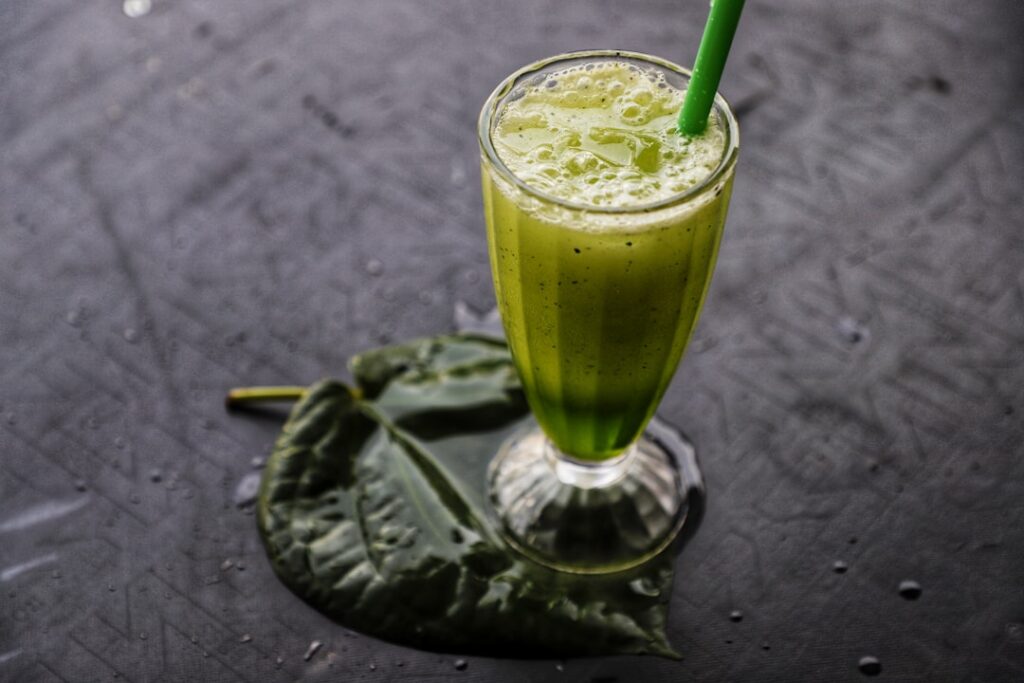
1. Fresh Papaya Leaf Juice
This is often considered the most potent form for immediate benefits due to the concentrated fresh enzymes.
Step-by-Step Method:
- Harvest & Clean: Select 5-7 fresh, dark green, healthy leaves. Wash them thoroughly under running water to remove any dirt or residues.
- Chop: Roughly chop the leaves into smaller pieces to facilitate blending.
- Blend: Place the chopped leaves into a blender with 1-2 cups of filtered water.
- Process: Blend on high speed until a smooth, dark green paste forms.
- Strain: Pour the mixture through a fine-mesh sieve, cheesecloth, or nut milk bag into a clean container. Squeeze out all the liquid.
- Serve: Drink immediately for best results.
2. Papaya Leaf Tea
A gentler method that still extracts many beneficial compounds, ideal for regular consumption.
Step-by-Step Method:
- Clean & Shred: Wash 2-3 medium leaves and tear or roughly shred them.
- Boil Water: Bring 2-3 cups of filtered water to a rolling boil in a saucepan.
- Add Leaves: Reduce heat to low, add the shredded papaya leaves, and simmer for 5-10 minutes. Do not boil vigorously for too long, as this can degrade some heat-sensitive compounds.
- Steep: Remove from heat and let it steep, covered, for another 10-15 minutes.
- Strain & Serve: Strain the tea into a cup. You can add a touch of honey or lemon if desired, though many prefer it plain.
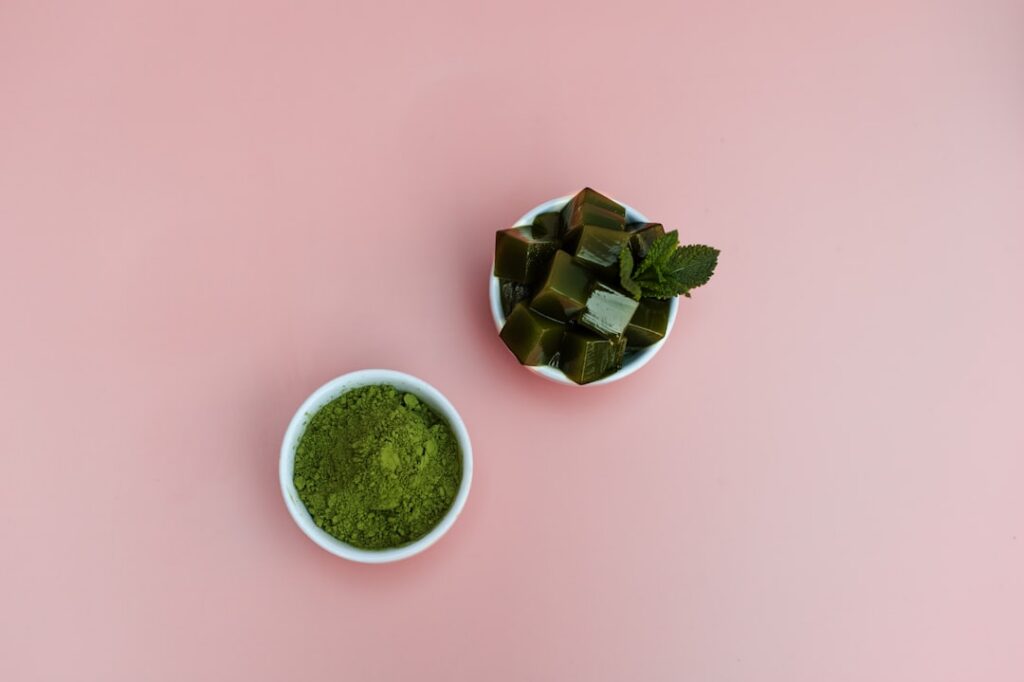
3. Dried Papaya Leaf Powder
For long-term storage and convenient use in capsules or smoothies.
Step-by-Step Method:
- Clean & Dry: Wash leaves thoroughly and pat dry.
- Dehydrate: Spread leaves in a single layer on dehydrator trays or baking sheets. Dehydrate at low temperature (around 100-115°F / 38-46°C) until completely brittle. This can take several hours in a dehydrator or 6-12 hours in an oven with the door slightly ajar.
- Powder: Once completely dry, crush the leaves by hand or grind them into a fine powder using a spice grinder or blender.
- Store: Transfer the powder to an airtight container.
How to Use Papaya Leaf Preparations
- Juice: Drink 1-2 tablespoons of the fresh juice, 1-3 times a day, ideally before meals. Some mix it with fruit juice to mask the bitter taste.
- Tea: Enjoy 1-2 cups of tea daily. It can be consumed warm or cooled.
- Powder: Mix 1/2 to 1 teaspoon of powder into smoothies, yogurt, or encapsulate it.
- Topical Use: A paste made from fresh crushed leaves or powder mixed with water can be applied to the skin for certain concerns, or used as a hair rinse.
How Often to Use
For general wellness support, a consistent daily intake (e.g., 1 cup of tea or a small amount of juice/powder) for a few weeks, followed by a break, is a common approach. For acute uses (e.g., digestive upset), it can be used more frequently for a shorter period. Listen to your body and consult a healthcare professional for personalized guidance.
Quick Tip: Listen to Your Body
The bitter taste of papaya leaf is a sign of its active compounds. While beneficial, start with smaller doses and gradually increase if tolerated, especially with the juice.
How to Buy / How to Choose Ingredients
- Fresh Leaves: Look for dark green, unblemished leaves that are free from insect damage or yellowing. If you can, source from organic growers or grow your own papaya tree. Avoid leaves from plants that may have been sprayed with pesticides.
- Dried Leaves/Powder: If buying commercially, ensure it’s from a reputable source, 100% pure papaya leaf, and free from fillers or artificial ingredients.
Storage
- Fresh Leaves: Wrap in a damp paper towel and place in a plastic bag in the refrigerator’s crisper drawer for up to 3-5 days.
- Fresh Juice: Best consumed immediately. If you must store it, keep it in an airtight glass container in the refrigerator for no more than 24 hours. Freezing is not recommended as it can degrade enzymes.
- Dried Leaves/Powder: Store in an airtight, dark container in a cool, dry place away from direct sunlight and moisture. Can last 6-12 months.
Practical Tips for Best Results
- Harvesting: Harvest mature, vibrant green leaves from the middle or lower part of the plant, leaving younger leaves at the top to continue growing. Early morning is often best.
- Taste Masking: The juice can be quite bitter. Mix with a small amount of honey, lemon juice, or a milder fruit juice (like apple or orange) to make it more palatable.
- Consistency: Regular, moderate use is generally more effective than sporadic high doses.
Comparison Table: Papaya Leaf Formulations
| Preparation Type | Preparation Time | Shelf Life (Refrigerated/Stored) | Primary Use Case |
|---|---|---|---|
| Fresh Juice | 10-15 minutes | 24 hours | Potent, immediate support (e.g., digestive aid) |
| Tea | 15-25 minutes | 2-3 days | Gentler, regular wellness support |
| Dried Powder | Several hours (drying) | 6-12 months | Convenient, long-term storage, easy dosing |
Common Mistakes to Avoid
- Using Sprayed Leaves: Always ensure your papaya leaves are free from pesticides and herbicides, as these chemicals can be concentrated and harmful.
- Boiling Too Vigorously: For tea, a gentle simmer is better than a hard boil, which can destroy some of the delicate enzymes and beneficial compounds.
- Improper Storage: Leaving fresh juice out or storing dried leaves in humid conditions can lead to spoilage and loss of potency.
- Ignoring the Taste: While beneficial, the bitterness can be off-putting. Don’t force yourself to drink large, unpalatable amounts; adjust with natural sweeteners or other juices.
- Expecting Miracles: Papaya leaf is a natural remedy, not a magic cure. Its benefits unfold over consistent, mindful use as part of a balanced lifestyle.
Did You Know? The Power of Papain
Papain, one of the key enzymes in papaya leaves, is often used in meat tenderizers due to its protein-digesting abilities. This property is why it’s so valued for digestive support.
Cautions / Who Should Avoid It
- Pregnancy and Breastfeeding: Limited research exists, so it’s generally advised for pregnant or breastfeeding women to avoid papaya leaf preparations.
- Blood-Thinning Medications: Papaya leaf may have blood-thinning properties. If you are on anticoagulants (like warfarin), consult your doctor before use.
- Allergies: If you are allergic to papaya fruit, latex, or related plants, you may also be allergic to the leaves. Start with a very small amount to test for reactions.
- Surgery: Due to potential blood-thinning effects, discontinue use at least two weeks before any scheduled surgery.
Quick Summary: Your Papaya Leaf Cheat Sheet
- Best Preparation: Fresh juice for potent, immediate effects; tea for gentle daily support; powder for convenience and long-term storage.
- Best Use-Case: Digestive support, immune boosting, skin & hair health.
- Storage: Juice < 24 hrs refrigerated; dried leaves/powder 6-12 months in airtight container.
- When to Use: Consistently for general wellness; acutely for specific needs, always with caution.
- What to Avoid: Sprayed leaves, excessive boiling, improper storage, and use during pregnancy or with blood thinners.
You may also like: How to Make a DIY Ginger-Turmeric Tonic for Wellness
FAQ
- Can I use frozen papaya leaves?
While technically possible, freezing can degrade some of the delicate enzymes, particularly papain, making fresh leaves preferable for optimal potency.
- How long does fresh papaya leaf juice last?
It’s best consumed immediately. If stored, it should be in an airtight container in the refrigerator and used within 24 hours.
- Is the bitter taste normal?
Yes, the bitterness is characteristic of papaya leaves and indicates the presence of beneficial compounds. It’s often diluted or mixed with other flavors.
- Can I reuse the leaves for tea?
While you can, the second brew will be significantly weaker as most active compounds would have been extracted in the first steeping.
- What part of the leaf is best?
The entire leaf is typically used, including the veins and stem. Just ensure it’s clean and healthy.
- Can I give papaya leaf to children?
It’s best to consult a pediatrician before giving papaya leaf preparations to children, as dosages and safety haven’t been widely studied for this age group.
- How do I know if the leaves are fresh enough?
Fresh leaves should be firm, dark green, and free from wilting, yellowing, or dark spots. They should have a slightly waxy feel.
Read more: Your Guide to Making Potent Herbal Infused Oils at Home
Conclusion
Papaya leaves are a testament to nature’s overlooked treasures, offering a practical and accessible way to support your well-being. By understanding the proper methods for harvesting and preparation, you can move beyond simply appreciating the fruit and truly harness the power of this remarkable plant. Experiment with the different forms – be it a refreshing juice, a comforting tea, or a convenient powder – and discover how this humble leaf can become a valuable addition to your natural remedy toolkit. With mindful preparation and use, the papaya leaf can be a potent ally in your quest for natural health.
Continue with: Natural Hair Rinses: Recipes for Shine and Health