Taro root (often called arbi, khoai môn, kalo, gabi, malanga, or dasheen) is a starchy tuber that’s been a staple across Asia, the Pacific Islands, and parts of Africa for centuries. Nutty, creamy, and surprisingly nutrient-dense, taro is finally getting global attention as a high-fiber, low-fat, naturally gluten-free carb option.
Taro root is more than a simple carb. Discover 14 amazing benefits of taro root – including gut, heart, and immune support – plus its complete nutritional profile.
Taro Root Nutritional Profile
Nutritional highlights:
-
Higher in fiber than many common roots
-
Excellent potassium source for heart and muscle function
-
Notable vitamin E for antioxidant protection
This combination makes taro a slow-burning energy source that supports digestive and cardiovascular health.

14 Amazing Benefits Of Taro Roots
1. Provides Long-Lasting Energy & Reduces Fatigue
Taro is rich in complex carbohydrates and has a moderate glycemic index (often reported around the low–mid 50s), meaning it releases glucose more steadily than many refined carbs.
Why it matters:
- Helps avoid sharp blood sugar spikes and crashes
- Supports sustained energy for athletes, physically active people, or long workdays
- Can be a smarter carb choice than sugary snacks or white bread
Pairing taro with protein (like fish, tofu, or beans) enhances this slow, steady energy effect.
2. Supports Weight Management
Taro is relatively low in calories for a dense, satisfying carb and provides a good amount of fiber per serving.
Benefits for weight management:
- Fiber adds volume and keeps you full for longer
- Replacing fried or ultra-processed carbs with boiled/steamed taro can reduce overall calorie load
- Stable blood sugar may help curb cravings and overeating
Of course, preparation matters: boiled or steamed taro is more weight-loss-friendly than taro chips or deep-fried snacks.
3. Promotes Healthy Digestion
That same fiber content makes taro a gut-friendly staple:
- Supports regular bowel movements
- Helps prevent constipation
- Feeds beneficial gut bacteria, especially if taro is cooked and cooled (more resistant starch forms)
A healthy gut environment is linked to better immunity, metabolic health, and even mood.
4. Helps “Clear” the Digestive Tract
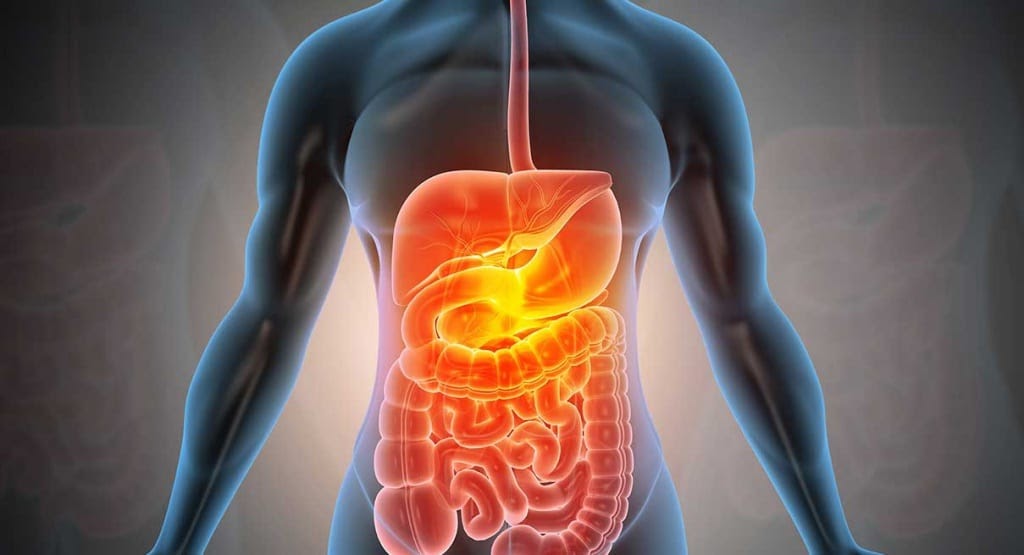
High-fiber foods like taro act almost like a gentle broom for your intestines:
- Fiber adds bulk to stool
- Helps speed up transit time, reducing the buildup of waste
- May help reduce bloating and the heavy feeling after meals when used in balanced portions
This is why taro often appears in traditional, light soups or porridges for people recovering from illness or with weaker digestion.
5. Supports Heart Health
Taro is naturally:
- Very low in fat and cholesterol-free
- A source of potassium, which helps relax blood vessel walls
- A source of vitamin E and antioxidants, which protect blood vessels from oxidative stress
By providing fiber and healthy carbs instead of saturated-fat-heavy sides, taro can be a heart-friendly alternative to creamy mashed potatoes or fried options.
6. Helps Manage Blood Pressure
Most modern diets are high in sodium and low in potassium. Taro flips that pattern:
- It is naturally low in sodium
- It is rich in potassium, a mineral that helps the body counteract sodium’s effect on blood pressure
Including taro in meals – especially in place of salty processed foods – can be one small but meaningful step in a blood-pressure-conscious lifestyle.
7. Offers Antioxidant Protection
Taro root and its varieties (especially those with purple flesh) contain:
- Vitamin C
- Vitamin E
- Various polyphenols and carotenoids
These compounds help:
- Neutralize free radicals
- Protect cells from oxidative stress
- Support skin, eye, and cardiovascular health over time
While taro isn’t a “miracle anti-aging pill,” it contributes to your overall antioxidant intake in a whole-food form.
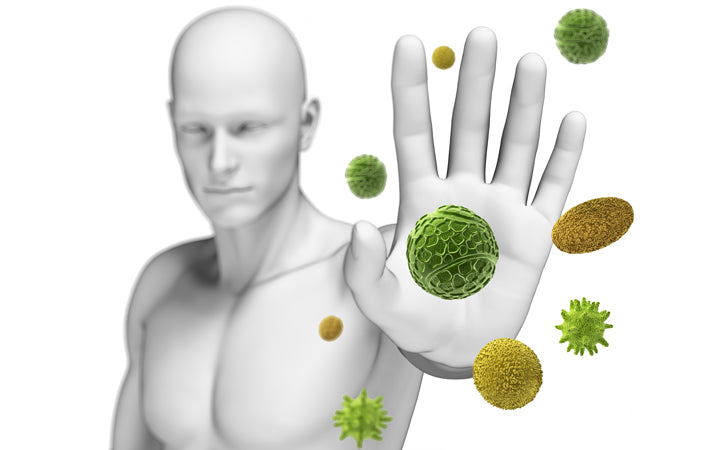
8. May Help Boost Immunity
Vitamin C in taro plays a classic role in immune support:
- Helps white blood cells function effectively
- Supports collagen formation in skin and tissues – a physical barrier to pathogens
Some research also highlights tarin, a taro lectin, which may modulate immune responses. Early studies suggest it could support immune function in people with low white blood cell counts, though more human research is needed.
9. Low-to-Moderate Glycemic Index Carb
Because of its fiber and starch structure, taro is considered a lower-GI or moderate-GI carbohydrate compared with many refined carbs.
This makes it a potentially useful option for:
- People aiming to keep blood sugar more stable
- Those at risk of insulin resistance (as part of an overall balanced diet)
- Individuals wanting sustained energy instead of fast spikes
Note: People with diabetes should still watch portion sizes and overall carb intake and work with a healthcare provider or dietitian.
10. Supports Healthy Aging
Taro delivers a mix of:
- Antioxidants (vitamin E, vitamin C, polyphenols)
- Minerals (manganese, copper, magnesium)
- Fiber and complex carbs
These nutrients work together to:
- Protect cells from oxidative damage
- Support collagen production and connective tissue
- Maintain energy and metabolic health
No single food stops aging, but taro can support long-term wellness when it replaces ultra-processed carbs.
11. Potential Anti – Cancer Support (Early-Stage Evidence)
Some lab and animal studies have looked at polyphenols, fibers, and other bioactive compounds in taro for their potential to inhibit cancer cell growth or support protective mechanisms.
- Fiber helps reduce contact time between the gut lining and potentially harmful compounds
- Antioxidants protect DNA from oxidative damage
- Important: Evidence here is preliminary and mostly experimental. Taro should not be considered a treatment for cancer, but rather a supportive whole food in a nutrient-rich diet.

12. Supports Muscle, Bone & Nerve Function
Taro contains magnesium, potassium, and small amounts of calcium, all of which contribute to:
- Proper muscle contraction and relaxation
- Nerve signal transmission
- Bone maintenance and fluid balance
Combined with its carb content, taro can be a good side dish for:
- Active individuals
- Those recovering from workouts
- People needing gentle, easy-to-digest fuel with electrolytes
13. Provides Essential Amino Acids & Healthy Fats in Small Amounts
While taro isn’t a high-protein food, it does contain a spectrum of amino acids and trace amounts of omega-3 and omega-6 fatty acids.
These:
- Support general tissue repair
- Contribute modestly to cardiovascular and brain health
Think of taro as a support player here – you’ll still want richer protein sources (fish, legumes, eggs, tofu) in your diet.
14. Highly Versatile & Easy To Add To Your Diet
One of taro’s “hidden” benefits is its culinary flexibility:
- Boiled or steamed and eaten like potatoes
- Mashed with herbs and olive oil as a creamy side
- Added to curries, soups, and stews
- Roasted chunks as a healthier alternative to fries
- Used in traditional desserts, cakes, and steamed snacks
Because it works in both savory and sweet dishes, taro makes it easier to replace processed carbs with a more whole, nutrient-dense option.
How To Use Taro Safely
- Always cook thoroughly – boiling, steaming, baking, or pressure-cooking until completely soft.
- Avoid eating taro raw or undercooked due to calcium oxalate, which can cause itching or irritation.
- If handling raw taro irritates your skin, wear gloves while peeling.
- People with kidney issues or a history of kidney stones should talk with a healthcare provider, as oxalates may be a concern.
Final Thoughts
Taro root is much more than a humble starch. With its blend of fiber, potassium, vitamin E, vitamin C, and a range of minerals, it supports:
- Long-lasting energy and reduced fatigue
- Digestive and gut health
- Heart and blood pressure balance
- Immune and antioxidant defenses
- Healthy aging and muscle/nerve function
Used in place of ultra-processed carbs, taro can be a powerful traditional food for modern, health-conscious eating.