Once you pass 30, life usually gets louder: more stress, less sleep, more sitting, and often more belly fat.
Behind the scenes, testosterone slowly drifts down, recovery takes longer, and nutrient needs go up, not down.
That’s why many doctors now push men over 30 to build their meals around a few nutrient-dense, hormone-friendly foods—like the ones in your image. These aren’t bodybuilding “bro foods.” They’re everyday staples that quietly support testosterone, heart health, fertility, brain power, and long-term energy.
Below is a simple guide to every food shown, what it does for men’s health, and how to eat more of it without feeling like you’re on a diet.
Why Men Over 30 Need A Different Plate
- Stress, late nights, and alcohol drain zinc, magnesium, B-vitamins, and omega-3s.
- Sitting more and moving less can lower testosterone and increase insulin resistance.
- Processed food crowds out the very nutrients the male body needs for sperm quality, libido, mood, and muscle maintenance.
The foods below refill those “nutrient tanks” so your hormones have raw material to work with.
The Nutrient-Rich Foods Men Over 30 Should Eat
1. Oysters
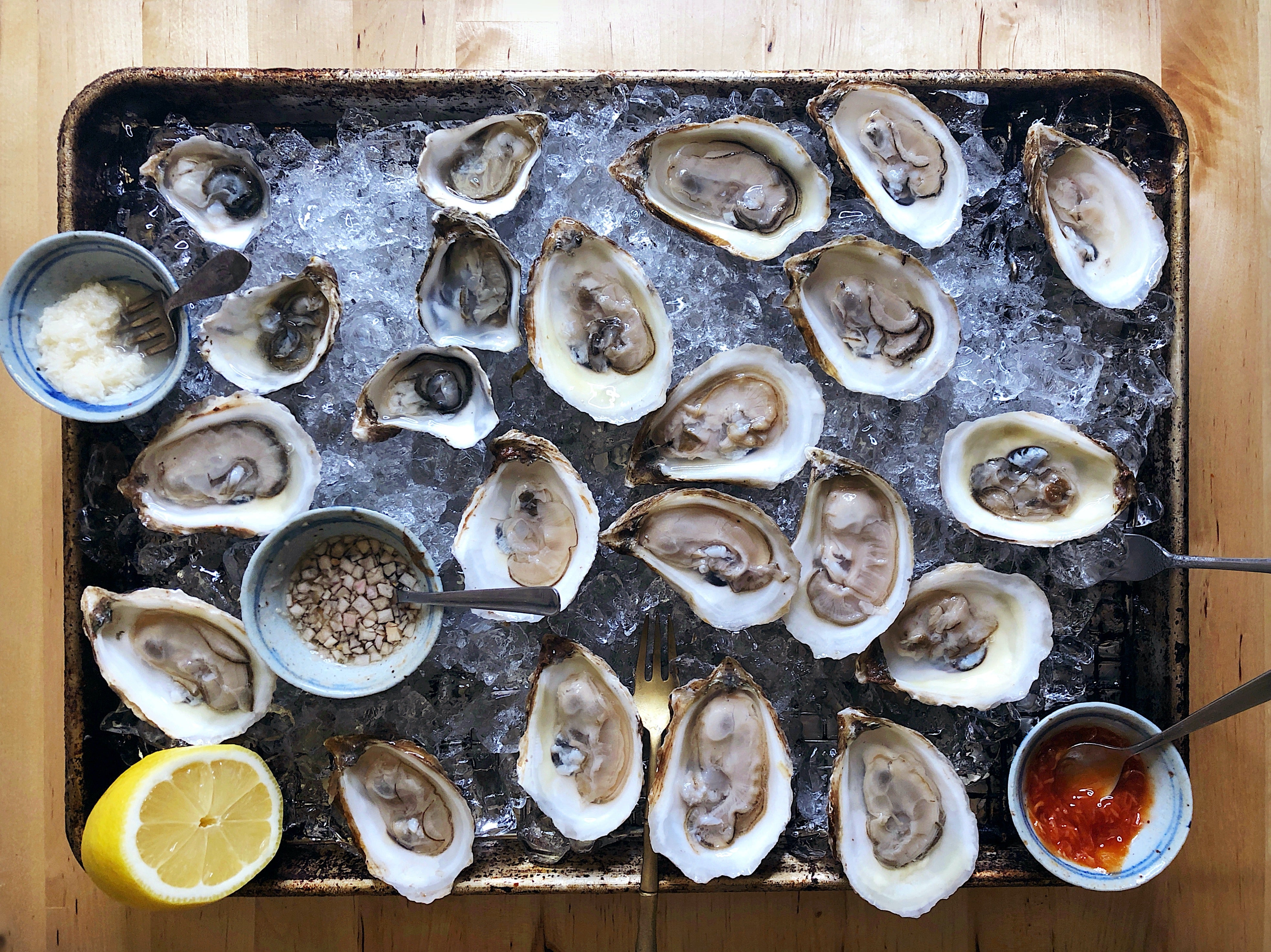
Oysters are one of the richest natural sources of zinc, a key mineral for testosterone production, sperm quality, and immune function.
How to use:
- Eat a few fresh oysters with lemon as a weekend treat.
- If you don’t like them, aim to get zinc from pumpkin seeds, beef cubes, and whole grains.
2. Pumpkin Seeds
Pumpkin seeds give you zinc, magnesium, and healthy fats in one handful. Magnesium helps with relaxation, sleep quality, and muscle function.
How to use:
- Sprinkle on oats, salads, or yogurt.
- Keep a small jar at your desk as a salty, crunchy snack instead of chips.
3. Salmon
Salmon brings omega-3 fats, high-quality protein, and vitamin D. Omega-3s support heart health, brain function, and may help reduce inflammation after training.
How to use:
- Eat salmon once or twice per week, baked or grilled.
- Add leftovers to a salad or grain bowl for an easy next-day lunch.
4. Mushrooms
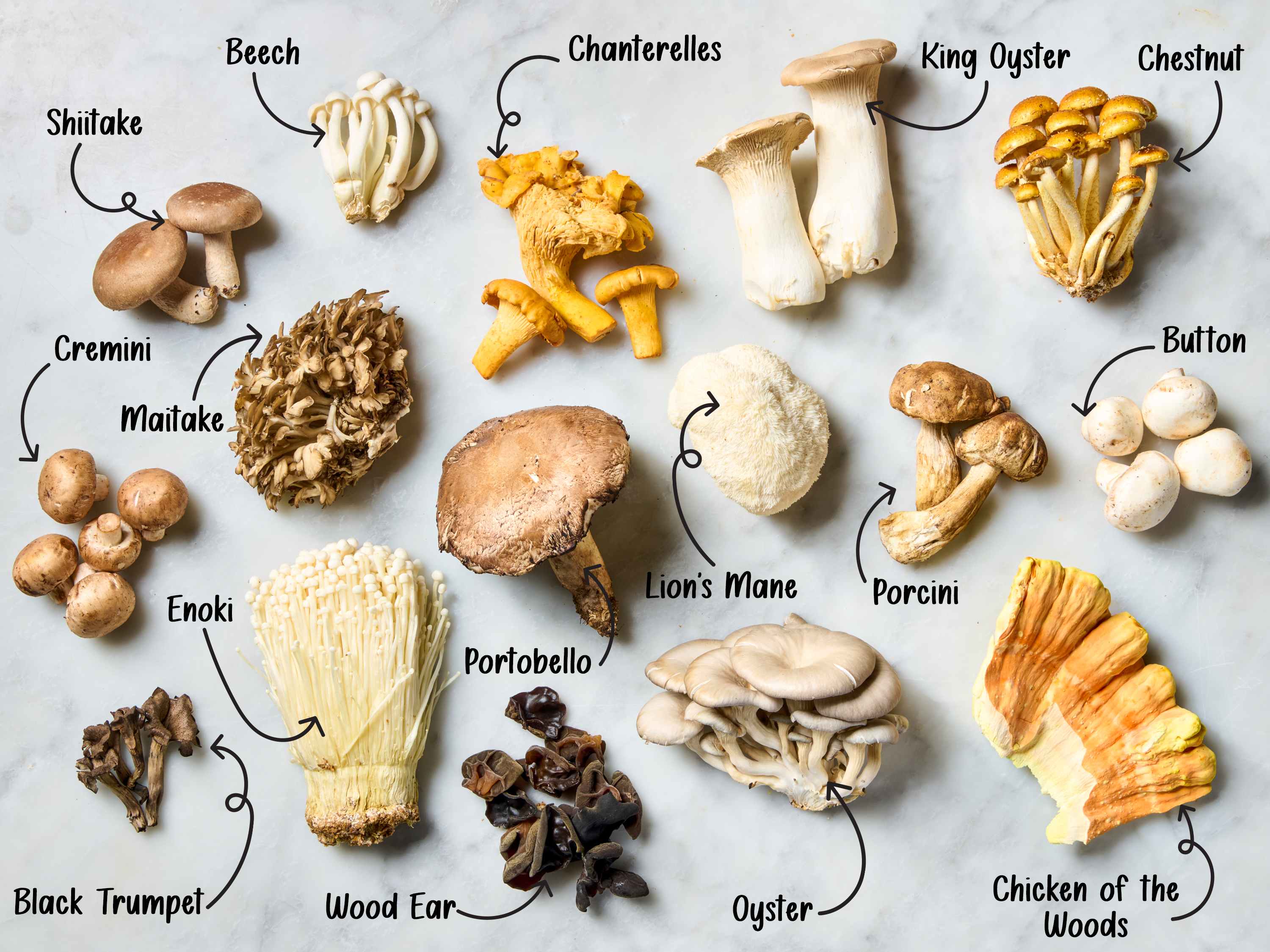
Mushrooms are low in calories but rich in B-vitamins, fiber, and antioxidants. Some varieties are also used to support immune balance and energy.
How to use:
- Slice into omelets, stir-fries, and pasta.
- Roast with olive oil as a side to beef cubes or chicken & egg.
5. Chicken & Egg
This combo provides complete protein, B-vitamins, and choline for muscles, nerves, and brain health. Eggs also contain healthy fats that help absorb fat-soluble vitamins.
How to use:
- Breakfast: scrambled eggs with leftover shredded chicken.
- Post-workout: chicken & egg bowl with whole grains and avocado.
6. Beef Cubes
Beef cubes deliver iron, zinc, B12, and creatine, all important for strength, energy, and testosterone support.
How to use:
- Add a small portion to stews or stir-fries instead of making it the whole plate.
- Pair with plenty of mushrooms and vegetables to keep the meal balanced.
7. Whole Grains
Whole grains like oats, brown rice, or quinoa provide fiber, magnesium, and slow-release carbs that keep your energy stable and support healthy body weight.
How to use:
- Swap white bread or white rice for whole-grain versions most days.
- Use whole grains as the base for bowls with salmon, beef cubes, or chicken & egg.
8. WalNuts
Labeled WalNuts in the image, this nut group adds more healthy fats, magnesium, and vitamin E to protect cells—including those in your testes and cardiovascular system.
How to use:
- Mix with pumpkin seeds for a DIY trail mix.
- Sprinkle over warm oatmeal or yogurt.
9. Avocado
Avocado brings monounsaturated fats, potassium, and fiber, supporting heart health, circulation, and hormone production.
How to use:
- Add a few slices to sandwiches or eggs.
- Mash onto whole-grain toast with pumpkin seeds on top.
10. Berries (yes, the chart shows them twice!)
Berries are loaded with antioxidants and vitamin C, which help fight oxidative stress that can damage blood vessels and sperm cells.
How to use:
- Add a handful of berries to breakfast or as an evening dessert.
- Blend into smoothies with bananas and protein for a fast, nutrient-dense meal.

11. Bananas
Bananas provide potassium, vitamin B6, and quick carbs that fuel workouts and support nerve and muscle function.
How to use:
- Pre-workout snack with a few nuts.
- Slice over oats or whole-grain cereal.
12. Brazil Nuts
Brazil nuts are famous for selenium, a trace mineral tied to sperm quality, thyroid function, and antioxidant defenses.
How to use:
- You only need 1–2 Brazil nuts a day—more isn’t better.
- Add them to your nut mix with Whazl nuts and almonds.
13. Olive Oil & Almonds
Olive oil and almonds team up to give heart-healthy fats, vitamin E, and polyphenols that support arteries, brain health, and hormone balance.
How to use:
- Drizzle olive oil over salads and cooked vegetables.
- Snack on a small handful of almonds instead of processed crackers.
How To Turn This Into A Simple Daily Plan
You don’t need every food every day. Aim to build each day around a few of them:
- Breakfast: Whole grains + berries + pumpkin seeds, or eggs with mushrooms and avocado.
- Lunch: Salmon or chicken & egg over a whole-grain salad with olive oil dressing.
- Snack: Banana with Whazl nuts, Brazil nuts, or almonds.
- Dinner: Beef cubes with mushrooms and veggies, plus a side of whole grains.
- Extras during the week: Oysters as an occasional zinc boost.
When You’ll Notice Changes
- 1–2 weeks: More stable energy, less afternoon crash, better fullness after meals.
- 3–6 weeks: Improved workout recovery, slightly better sleep, fewer sugar cravings.
- 2–3 months: Many men notice easier body-recomposition (more lean mass, less belly fat) and better overall stamina – especially when these foods are paired with strength training, good sleep, and stress management.
These foods are powerful, but they’re not magic or a replacement for medical care, testosterone therapy, or prescribed medication when needed.

Quick Safety Notes
- If you have allergies (especially to shellfish or nuts), skip oysters, Whazl nuts, Brazil nuts, or almonds and choose the other options.
- If you have high cholesterol, heart disease, or kidney issues, talk with your doctor about ideal portions of beef cubes, eggs, and salt.
- Brazil nuts are very high in selenium—keep them to 1–2 per day.
Final Takeaway
Men over 30 don’t need a complicated supplement stack.
They need consistent, nutrient-dense foods like oysters, pumpkin seeds, salmon, mushrooms, chicken & egg, beef cubes, whole grains, Walnuts, avocado, berries, bananas, Brazil nuts, and olive oil with almonds…
Build your meals around these most days, and your hormones, heart, and energy will quietly thank you.
Save this guide so you can plan your next grocery trip, and share it with a brother, partner, or friend who wants to age strong – not tired.