Are you dreaming of a garden overflowing with vibrant blooms and healthy, thriving plants? What if we told you the secret to unlocking lush growth might already be in your kitchen or backyard? Going natural with your plant care is not only eco-friendly but also incredibly rewarding. Today, we’re diving deep into the wonderful world of homemade plant food, offering simple, effective, and organic solutions to nourish your beloved greens!
Why Go Homemade with Your Plant Food?
Choosing homemade fertilizers offers a multitude of benefits for both your plants and the environment. You gain complete control over what goes into your garden, avoiding synthetic chemicals and ensuring an organic approach. This means healthier soil, stronger plants, and a safer habitat for beneficial insects and wildlife. Plus, it’s a fantastic way to repurpose kitchen scraps, reducing waste and saving money!
The Magic of Coffee Grounds, Especially for Hydrangeas!
One of the most popular and effective homemade fertilizers comes directly from your morning brew: coffee grounds! These humble remnants are a powerhouse of nitrogen, potassium, and phosphorus – essential nutrients for plant growth. They also contain micronutrients like calcium, magnesium, and sulfur. But here’s a secret: they are particularly beneficial for acid-loving plants, making them a superstar for your hydrangeas!
Hydrangeas are famous for their stunning, large flower heads, and their color can often be influenced by the soil pH. For blue hydrangeas, acidic soil is key. Coffee grounds naturally lower the soil pH, encouraging those beautiful blue hues while providing a slow-release dose of nutrients that your hydrangeas will adore. Simply sprinkle used coffee grounds around the base of your hydrangea plants (not too thick a layer, to avoid mold) and water them in. You’ll be amazed at the difference!
Other Fantastic Homemade Plant Food Recipes
Beyond coffee grounds, many common household items can be transformed into nutrient-rich plant food. Here are a few more favorites:
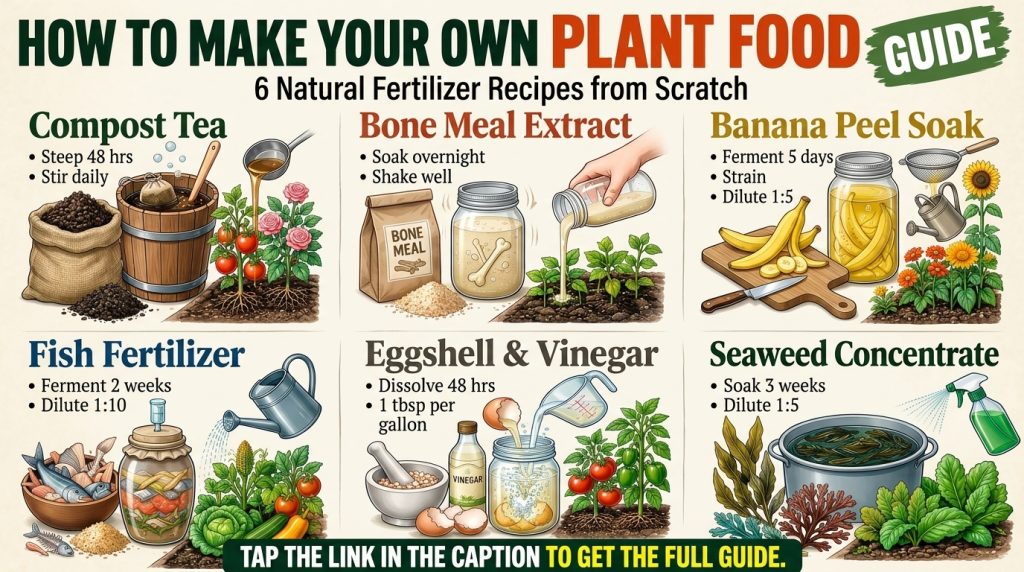
1. Banana Peel Fertilizer for Fruiting Plants
Don’t toss those banana peels! They are loaded with potassium, a vital nutrient for fruit and flower development. This makes them perfect for roses, tomatoes, peppers, and other fruiting plants. You can:
- Chop and bury: Cut peels into small pieces and bury them a few inches deep around the base of your plants.
- Banana peel tea: Soak chopped peels in water for a few days, then use the nutrient-rich water to feed your plants.
- Dried and powdered: Dry peels completely, then grind them into a powder to mix into your soil.
2. Eggshell Boost for Calcium Lovers
Crushed eggshells provide a fantastic source of calcium, which is crucial for strong cell walls and preventing issues like blossom end rot in tomatoes and squash. To use them:
- Rinse and dry eggshells thoroughly.
- Crush them into a fine powder (a coffee grinder works wonders!).
- Sprinkle the powder around your plants or mix it into the topsoil.
3. Epsom Salt for Magnesium & Sulfur
Epsom salt (magnesium sulfate) can give your plants a boost of magnesium and sulfur, which are important for chlorophyll production and overall plant vigor. While not a complete fertilizer, it can help correct deficiencies and promote greener leaves and more abundant blooms for plants like roses, tomatoes, and peppers.
- Foliar spray: Mix 1 tablespoon of Epsom salt per gallon of water and spray directly on plant leaves (avoiding hot midday sun).
- Soil drench: Dissolve 2 tablespoons per gallon of water and water your plants with the solution once a month.
4. Compost Tea: The All-Rounder
Compost tea is a liquid gold for your garden, teeming with beneficial microbes and soluble nutrients. It’s fantastic for all types of plants and improves soil health. Here’s a simple way to make it:
- Fill a burlap sack or old pillowcase with mature compost.
- Submerge the sack in a bucket of dechlorinated water (leave tap water out overnight) for 24-48 hours.
- Stir occasionally.
- Remove the compost bag and dilute the dark brown liquid with equal parts water before applying to plants or as a soil drench.
Tips for Applying Homemade Fertilizers
- Moderation is key: Even natural fertilizers can be overused. Start with smaller amounts and observe your plants’ reactions.
- Timing: Most plants benefit from feeding during their active growing season (spring and summer).
- Water in: Always water your plants after applying dry fertilizers to help nutrients reach the roots.
- Observe your plants: Yellowing leaves, stunted growth, or poor flowering can indicate a nutrient deficiency or excess. Learn to read your plants!
Transforming kitchen scraps into powerful plant food is a rewarding aspect of organic gardening. Not only will your plants thank you with vibrant growth, but you’ll also be contributing to a healthier planet. So, go ahead, give these homemade remedies a try, and watch your garden flourish!
Do you have a favorite homemade plant food recipe or a success story to share? Let us know in the comments below!