Most people blame junk food when their stomach suddenly balloons after a meal. But in reality, some of the “cleanest,” healthiest foods can make you feel heavy, gassy, or tight around the waist—not because they’re bad, but because of how your gut ferments and processes them. Once you understand that, bloating stops being a mystery and becomes something you can manage without cutting out all the foods you love.
Below is a clear breakdown of the healthy foods that commonly cause bloating, why they do it, and how to fix the issue with smarter habits instead of extreme restrictions.
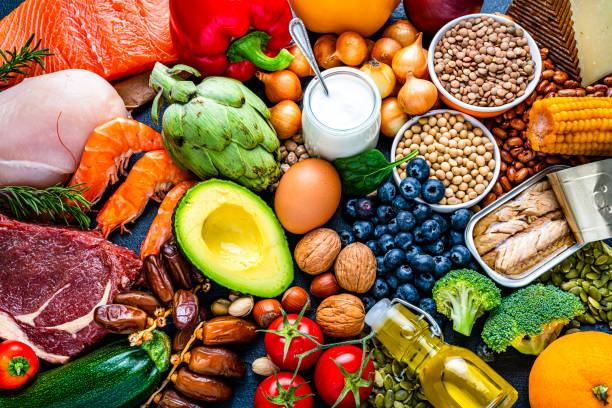
Healthy foods that often cause bloating
These foods are great for you on paper, but they can trigger gas, pressure, or swelling if your gut is sensitive or not used to them.
-
Broccoli
High in sulfur compounds and fermentable fiber. Excellent for detox and hormones, but the fiber can ferment fast in the colon and create gas. -
Cauliflower
In the same cruciferous family as broccoli, with similar sulfur content and gas-forming potential, especially when eaten raw. -
Cabbage
Ferments quickly in the gut. Great for gut health long term, but in the short term can cause pressure, tightness, and visible bloating. -
Chickpeas
Packed with plant protein and fiber, but also with oligosaccharides (a type of FODMAP) that gut bacteria ferment into gas. -
Lentils
Nutritious and filling, but tough for some to digest due to their fiber and resistant starch content, especially if portions are large or not soaked/cooked well. -
Beans (all types)
Classic gas triggers. Their resistant starch and complex carbs feed gut bacteria aggressively, which is healthy in the long term but bloaty at first. -
Apples
High in fructose and pectin. Both ferment easily and can cause double trouble for those with sensitive digestion. -
Raisins and other dried fruits
Concentrated sugar plus fiber. They draw water into the intestines and ferment quickly, creating a mix of gas and water retention. -
Sparkling water
No calories, but full of gas. The carbon dioxide literally expands in your stomach. -
Kombucha
A fermented drink that brings probiotics—but also extra gas. If your gut is reactive, it can feel like “fermented in, fermented out.” -
Whey protein powder
Often digested quickly and commonly combined with sweeteners and flavors that irritate sensitive guts. Can trigger bloating in those with lactose or whey sensitivity. -
Cottage cheese
Contains lactose and casein. Many adults have mild lactose intolerance and do not realize their “healthy snack” is behind their bloat. -
Onion
Loaded with fructans, a high-FODMAP carb. One of the most common hidden triggers for gas and bloating. -
Garlic
Very healthy, but also rich in fructans. Ferments aggressively in the large intestine. -
Asparagus
Contains raffinose, the same gas-forming sugar found in beans. Great for nutrients, but not always easy on the gut. -
Mushrooms
Contain polyols (sugar alcohol–like compounds) that are hard to absorb and can cause gas, especially in people with IBS. -
Bell peppers
The skins are tough to break down for some people, leading to a feeling of tightness or trapped gas. -
Sweet potato
High in soluble fiber. Good for cholesterol and gut health, but can feel heavy if you eat a lot too fast or on an unadapted gut. -
Oats
Rich in beta-glucan fiber, which is amazing for metabolic health—but if your microbiome is not used to that much fiber, bloating is very common at first. -
Raw tomatoes
The acidity plus seeds can irritate some stomachs and cause pressure or indigestion-like sensations.
Why these healthy foods cause bloating
Bloating from these foods does not usually mean your body “hates” them. Often it’s about:
-
High FODMAP content (fast-fermenting carbs)
-
High sulfur levels
-
High soluble or viscous fiber
-
Pulling more water into the intestines
-
Natural gas production during fermentation
-
Eating too much, too fast, or in the wrong combinations
Your gut is not malfunctioning; it is doing chemistry. Bacteria ferment what you eat. Gas is a normal byproduct—just more noticeable when digestion is overwhelmed.

How to reduce bloating without quitting healthy foods
You usually do not need to cut these foods. You just need to change how you use them.
-
Cook instead of eating everything raw
Cooking breaks down some fibers and FODMAPs, making cruciferous vegetables, onions, and tomatoes much easier to tolerate. -
Combine foods more wisely
Avoid stacking too many “gas-heavy” items in one go. Examples of rough combos:
-
Apples plus sparkling water
-
Chickpeas plus large portions of broccoli or cabbage
-
Whey protein plus milk or cottage cheese if you’re dairy-sensitive
-
Kombucha plus a very high-fiber meal
-
Increase fiber slowly
If your usual diet is low fiber and you suddenly go “super healthy,” your microbiome gets shocked. Increase lentils, beans, oats, and cruciferous veggies gradually over weeks, not days. -
Use anti-bloat helpers
Add small, consistent supports:
-
Ginger or mint tea after meals
-
Fennel seeds to chew or brew as tea
-
Warm water instead of icy drinks with food
-
Chew slower
Large, barely chewed bites equal more work for your gut and more fermentation. Slower eating = less swallowed air and smoother digestion. -
Space out high-fiber meals
Two giant fiber bombs in one day (like a big lentil salad at lunch and a huge broccoli bowl at dinner) will almost guarantee pressure. Balance them with simpler meals in between.
The surprising truth about bloating
Most people assume:
“I’m bloated → I must be intolerant → I should cut this food forever.”
For many, the real story is:
-
Your microbiome is adjusting to more fiber.
-
Your bacteria are actively fermenting (a good thing, just intense).
-
Your digestion speed and food timing are mismatched.
-
You are mixing too many gas-forming or FODMAP-heavy foods together.
Once you change the order, combinations, cooking style, and pace—most of these so-called “problem foods” become completely tolerable, and your gut becomes stronger and more flexible over time.
If you’ve been eating healthy but still feel bloated, it probably isn’t a sign you should give up on those foods. It is a sign to work with your gut, not against it—by adjusting how, how much, and how quickly you introduce them.