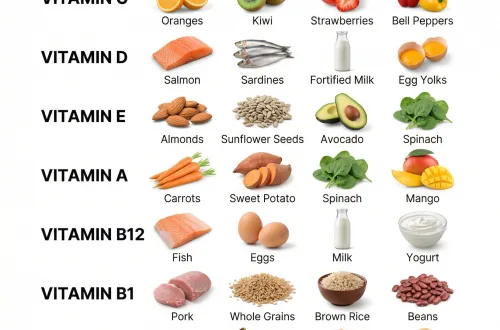
Your thyroid may be tiny, but it quietly influences almost everything: metabolism, energy, weight stability, mood, and hormone balance. Yet most people only eat one or two thyroid-supporting foods a week, while the gland actually depends on a steady mix of key nutrients like iodine, selenium, zinc, iron, magnesium, omega-3s, and antioxidants.
Below is a concise, 15-food guide you can turn into a simple, thyroid-friendly way of eating.
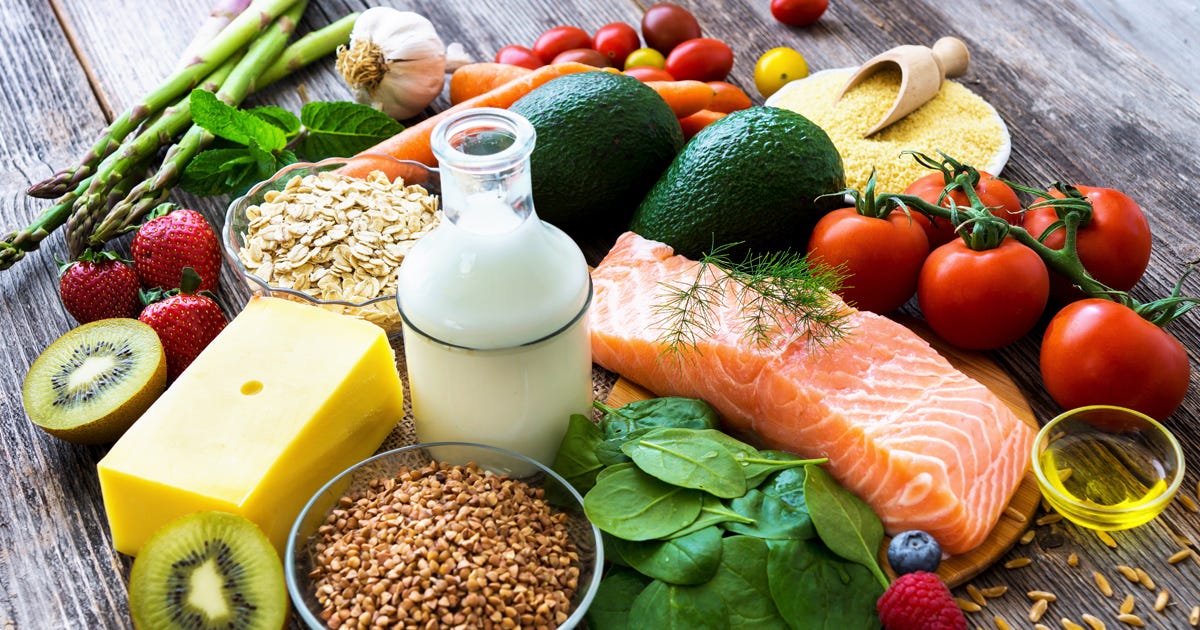
Core thyroid-supporting foods
-
Seaweed
One of the richest natural sources of iodine, the mineral your thyroid uses to make T3 and T4 hormones. A small sheet a few times per week is usually enough for most people, as long as you are not on a low-iodine plan advised by your doctor. -
Eggs
Egg yolks provide iodine, selenium, and choline, all of which support hormone production, conversion, and overall metabolic health. -
Brazil nuts
Just 1–2 nuts per day can cover your selenium needs, an essential cofactor for converting T4 into active T3 and for protecting thyroid tissue from oxidative stress. -
Yogurt
Provides iodine plus probiotics. A healthy gut improves nutrient absorption and helps regulate inflammation, which is closely linked to thyroid function via the gut–thyroid axis. -
Berries
Blueberries, strawberries, and raspberries are packed with antioxidants that help defend thyroid cells from oxidative damage and chronic inflammation. -
Spinach
Rich in magnesium, iron, and vitamin C—nutrients involved in energy production, red blood cell formation, and hormone regulation. All three support more stable thyroid-related metabolism. -
Chickpeas
A plant-based source of zinc and plant protein. Zinc supports thyroid hormone synthesis and immune balance, both important in thyroid disorders. -
Sweet potato
Provides slow-digesting carbohydrates and beta-carotene, which supports healthy hormone conversion and steady energy instead of blood sugar spikes and crashes. -
Olive oil
Extra-virgin olive oil supplies anti-inflammatory fats that help protect thyroid tissue and support hormone transport throughout the body.
Fish, seeds, and anti-inflammatory extras
-
Salmon
A true thyroid powerhouse: omega-3s, selenium, and vitamin D in one food. These nutrients support hormone production, lower inflammation, and may improve mood and fatigue, which are common in thyroid imbalance. -
Sardines or mackerel
These small oily fish offer iodine, omega-3s, and vitamin D—three nutrients many people lack and that strongly influence thyroid and immune health. -
Pumpkin seeds
High in zinc, magnesium, and antioxidants. They support hormone activation, immune function, and overall endocrine balance. -
Turmeric
Curcumin, the active compound, has anti-inflammatory and antioxidant effects that may help reduce chronic inflammation, a key driver in many thyroid problems. -
Lentils
Provide iron, plant protein, and B vitamins. These help convert food into energy and support proper thyroid hormone synthesis and metabolism. -
Garlic and onions
Rich in sulfur compounds that support liver detox pathways; the liver is heavily involved in hormone metabolism and the conversion of thyroid hormones into their active or inactive forms.
How to turn this into a daily thyroid-friendly pattern
You do not need all 15 foods every day. Aim for a mix across meals:
-
Breakfast
-
Yogurt with berries and pumpkin seeds
-
One boiled or scrambled egg
-

-
Lunch
-
Spinach and chickpea salad with olive oil dressing
-
A side of roasted sweet potato
-
-
Dinner
-
Salmon or sardines
-
Lentils or quinoa
-
Cooked garlic and onions
-
Crumbled seaweed on top or on the side
-
-
Weekly rotation
-
Brazil nuts as a small snack
-
Turmeric in soups, curries, or scrambled eggs
-
Why this approach helps
Common thyroid issues often involve low iodine or selenium, ongoing inflammation, disrupted gut health, and suboptimal intake of minerals like iron, zinc, and magnesium. These 15 foods collectively:
-
Provide iodine and selenium for hormone production and conversion
-
Supply zinc, iron, magnesium, and B vitamins for enzyme and metabolic function
-
Add anti-inflammatory and antioxidant support to protect thyroid tissue
-
Support gut health, which indirectly influences thyroid balance
This is not a cure or a replacement for medical treatment, but it is a solid food pattern that covers the main nutritional bases your thyroid depends on. If you already have a diagnosed thyroid condition or take thyroid medication, always discuss major dietary changes with your healthcare provider.