Your immune system runs on more than just “vitamin C when you’re sick.” It needs daily support for inflammation control, gut health, antibody production, antioxidant defense, and repair. The problem is most people only lean on one or two foods (usually oranges or yogurt) instead of building a small, consistent mix into everyday meals.
Here’s a clear, easy guide to 15+ everyday foods that quietly strengthen immunity when you use them regularly, not just during flu season.
Garlic
Garlic is a natural antimicrobial. When you crush or chop it, it releases allicin, a compound that helps immune cells find and break down pathogens more efficiently. Use it lightly cooked or briefly crushed and added to warm dishes.

Citrus fruits
Oranges, lemons, and grapefruit are all rich in vitamin C, which supports white blood cells and the integrity of your skin and mucous membranes (your first line of defense). Because vitamin C is water-soluble and not stored well, daily intake matters.
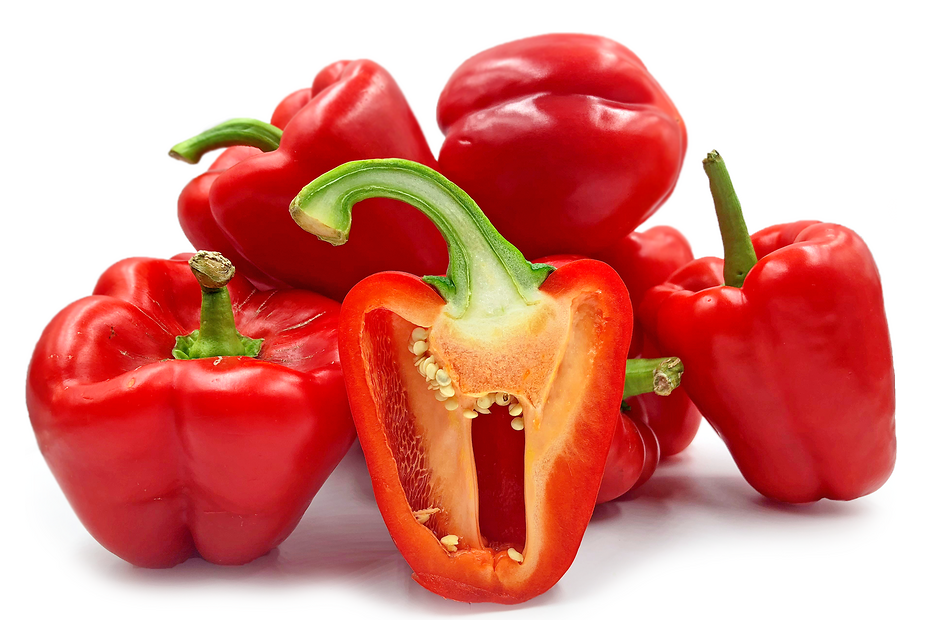
Red bell pepper
Red peppers contain more vitamin C per gram than oranges, plus beta-carotene to support skin, eye, and respiratory health. They also help your body form collagen, which strengthens protective linings in the body.
Almonds
Almonds deliver vitamin E and healthy fats that help immune cells function under stress. A small handful a day is enough to support antioxidant defense.
Yogurt or kefir
These provide probiotics, which directly influence gut bacteria. Since much of the immune system sits in the gut, a healthier microbiome often means a stronger, more balanced immune response. Choose unsweetened versions to avoid added sugar.
Green tea
Green tea contains EGCG and L-theanine, which help regulate inflammation and support the production of antibodies. It’s a great afternoon or early evening drink when you want focus without overstimulation.

Ginger
Ginger has anti-inflammatory and antioxidant properties and supports the gut, which in turn supports immunity. Ginger tea after meals is soothing for digestion and respiratory comfort.
Mushrooms
Shiitake, maitake, and even common button mushrooms contain beta-glucans that help activate macrophages, the immune cells that recognize and clear out invaders.
Raw honey
Raw honey has antimicrobial and antiviral properties and is naturally soothing for the throat. It also supplies small amounts of antioxidants. A teaspoon a day is plenty; avoid giving honey to children under 1 year old.
Berries
Strawberries, blueberries, and raspberries are rich in polyphenols and vitamin C, which help repair oxidative damage and support immune cell recovery after stress, illness, or intense activity.
Kiwi
Kiwi is a vitamin C powerhouse and also provides fiber and antioxidants that support both immune function and gut health. It has been linked to reduced duration and severity of common cold symptoms.
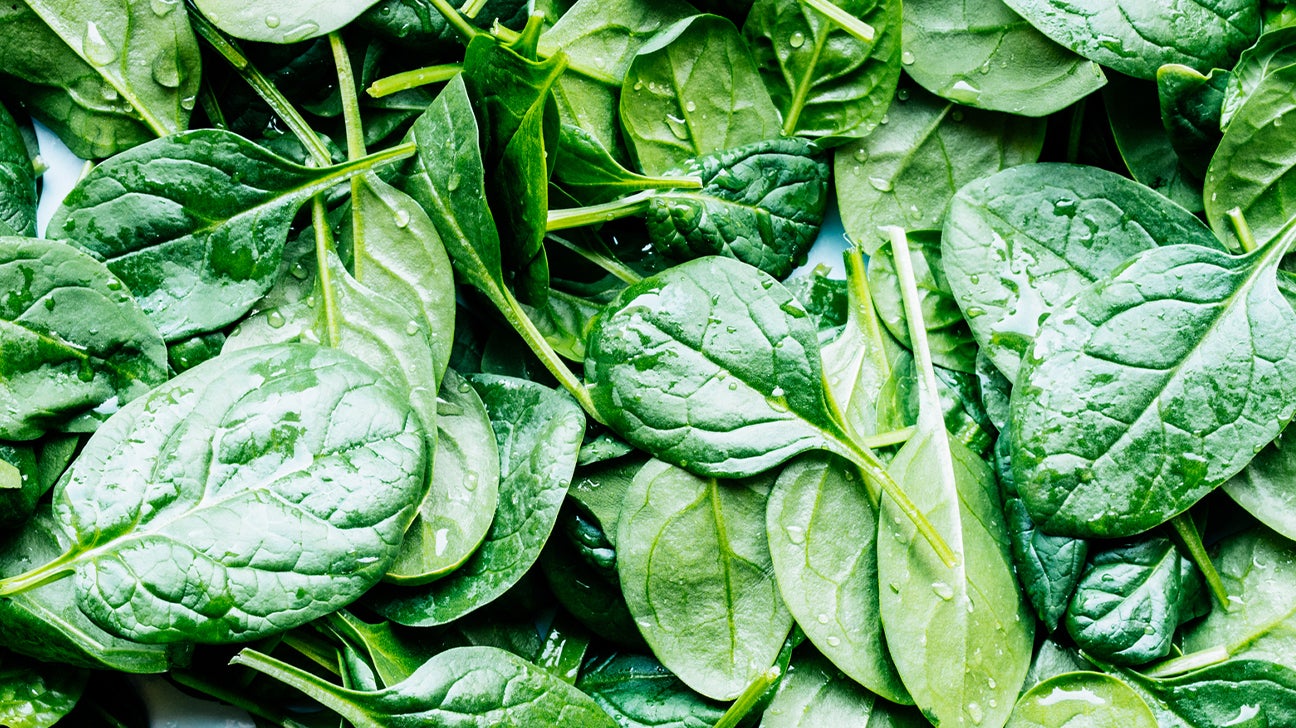
Spinach
Spinach contains folate, vitamin C, carotenoids, and iron. These nutrients are involved in producing and activating immune cells and supporting healthy red blood cells that transport oxygen to tissues.
Turmeric
Curcumin, the active compound in turmeric, helps lower chronic inflammation and supports a more balanced immune response. It works best when consumed with black pepper and a source of fat.
Garlic + ginger + lemon mix
Combining these three in warm water is a classic seasonal tonic. It supports the throat, sinuses, and gut, and delivers vitamin C, antioxidants, and anti-inflammatory compounds in one go.
Olive oil
Extra-virgin olive oil offers monounsaturated fats and polyphenols that help regulate inflammation and support flexible blood vessels, allowing immune cells to circulate more effectively.
How to build a simple “immune day”
You do not need a complicated diet. Think in small anchors across the day:
-
Morning
-
Green tea or warm lemon water
-
Yogurt with berries and a few almonds
-
-
Lunch
-
Spinach or mixed salad
-
Slices of red bell pepper
-
Dressing made with olive oil and garlic
-
-
Snack
-
One kiwi or a citrus fruit
-
A teaspoon of raw honey if your throat feels dry
-
-
Dinner
-
Mushrooms sautéed with garlic and a pinch of turmeric
-
A mug of ginger tea after your meal
-
Why this pattern works
This kind of routine gently supports all five layers of immune defense, day after day:
-
Antioxidant support from berries, citrus, peppers, spinach, and green tea
-
Gut integrity from yogurt/kefir, ginger, and fiber-rich plants
-
Inflammation control from olive oil, turmeric, garlic, and ginger
-
Micronutrient balance via vitamins C, E, folate, iron, zinc, and selenium–rich foods
-
Cellular renewal and repair supported by protein, healthy fats, and plant compounds
The key is consistency, not perfection. When you feed your immune system a variety of supportive foods daily, it becomes more resilient, steadier under stress, and better prepared for the moments you really need it.

Nethe recipe