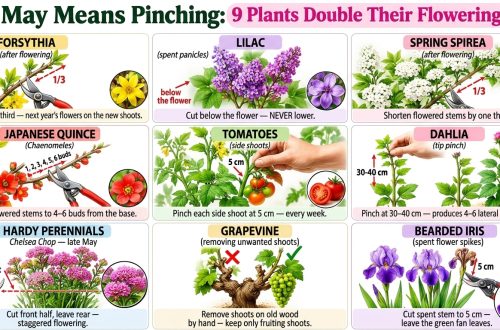
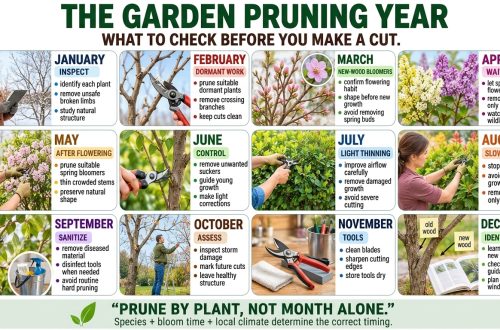
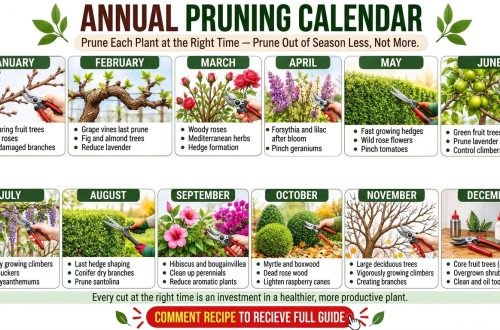
As the vibrant hues of summer begin to gently fade, September ushers in a golden opportunity for gardeners: strategic pruning. This isn’t just about tidying up; it’s a vital step in ensuring your beloved plants thrive, produce bountiful blooms next spring, and maintain their health as they prepare for dormancy. A little attention now can lead to spectacular results later!
Many gardeners wonder exactly what to prune and when. While it might seem counterintuitive to prune as the growing season winds down, September is the perfect window for certain plants. It helps them consolidate energy, recover from summer stress, and even set the stage for more impressive displays.
The September Pruning Advantage: Why Now?
Pruning in September serves several key purposes:
- Health and Vigor: Removing dead, diseased, or damaged branches prevents the spread of issues and directs the plant’s energy to healthier growth.
- Shape and Structure: It’s an excellent time to refine the shape of your shrubs and climbers, ensuring they don’t become overgrown or leggy.
- Bloom Promotion: For some plants, a September prune encourages the development of new flower buds, promising a more glorious display next season.
- Pest and Disease Control: By improving air circulation and removing problematic areas, you create a less hospitable environment for pests and diseases.
- Preparation for Winter: A well-pruned plant is often better equipped to withstand winter conditions.
Spotlight on September Pruning Stars: Roses and Wisteria
While many plants can benefit from a late-season trim, roses and wisteria are two garden favorites that particularly appreciate attention in September.
Roses: Encouraging Healthier Blooms
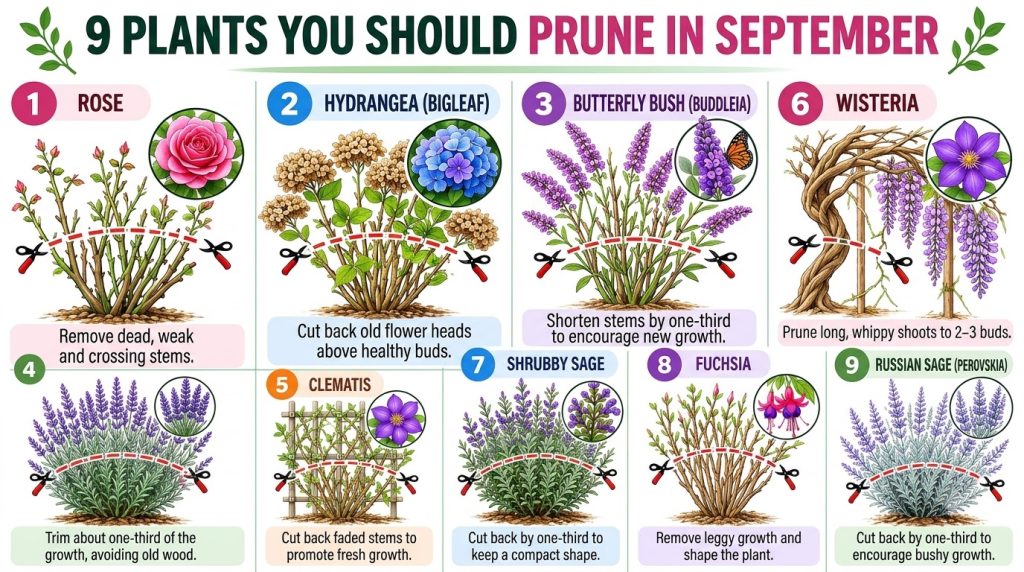
For many rose varieties, September is ideal for a light tidy-up, especially for those that have continued to bloom throughout the summer. This isn’t a heavy winter prune, but rather a preparatory one.
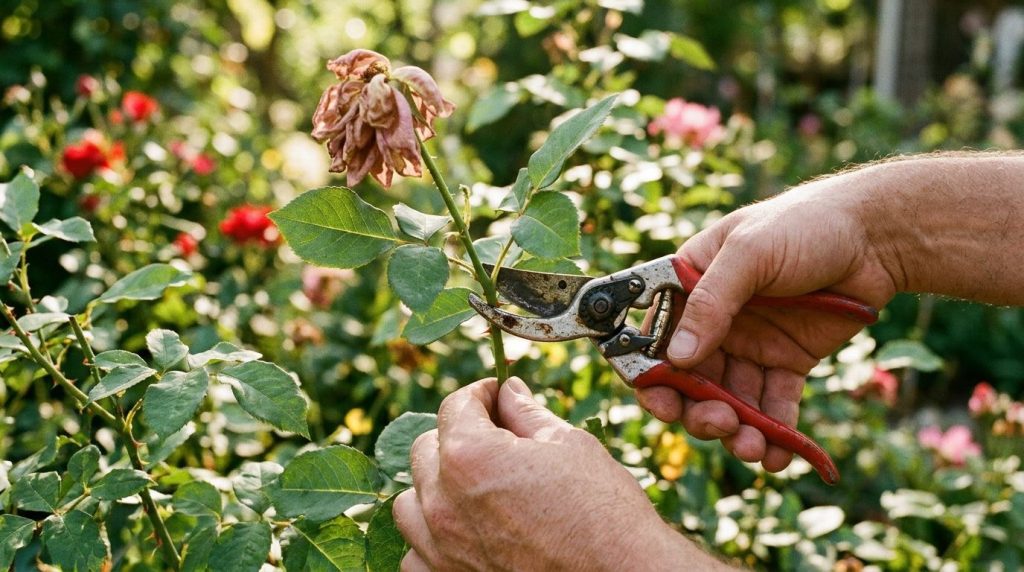
- Deadhead Spent Blooms: Continue to remove faded flowers to encourage a final flush of blooms or to prevent the plant from putting energy into seed production. Cut back to a strong leaf with five leaflets.
- Remove Weak or Crossing Stems: Identify any thin, spindly, or crossing branches. These often don’t contribute much to the plant’s vigor and can be pathways for disease. Prune them back to the main stem or a healthy outward-facing bud.
- Improve Airflow: Thin out the center of the bush slightly to allow better air circulation, which is crucial for preventing fungal diseases like black spot and powdery mildew.
- Trim for Shape: Lightly shape your rose bushes, removing any awkwardly growing branches. This helps maintain an attractive form and makes them more resilient against winter winds.
Remember, the goal here is not drastic reduction, but rather a gentle shaping and cleaning to ensure your roses enter winter strong and ready for a spectacular return next year.
Wisteria: Taming the Tendrils for More Flowers
Wisteria is known for its magnificent, cascading blooms, but it can also be a vigorous grower. September is a critical time for its second prune of the year (the first being in mid-summer).
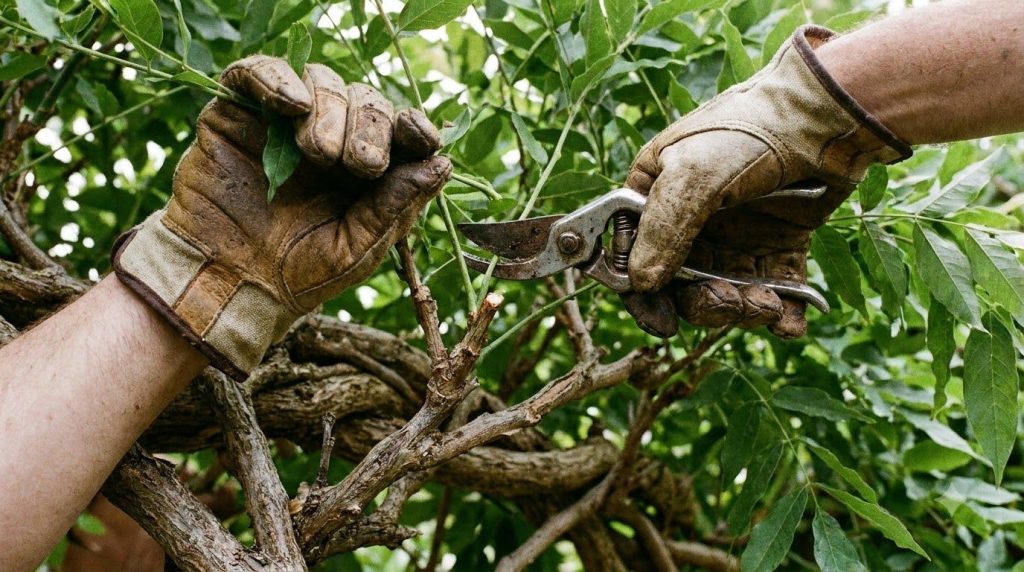
- Cut Back Long Shoots: Identify the long, whip-like green shoots that have grown throughout the summer. These are typically non-flowering and can quickly make your wisteria unruly. Prune these back dramatically to about 5-6 buds from the main framework or established side branches.
- Encourage Flower Spurs: This pruning technique focuses the plant’s energy on developing short, woody spurs along the main framework. These are the structures that will bear the stunning flowers next spring.
- Maintain Structure: Regularly pruning wisteria helps manage its size and ensures it doesn’t overwhelm its support structure or nearby plants. It also ensures the beautiful flower trusses are well-displayed.
By taming these vigorous shoots now, you’re not only maintaining your wisteria’s shape but actively promoting a more abundant and impressive floral display in the upcoming season.
General September Pruning Tips for Success
No matter what you’re pruning, follow these essential guidelines:
- Use Clean, Sharp Tools: Always use bypass pruners, loppers, or pruning saws that are sharp and clean. This ensures clean cuts that heal quickly and prevents the spread of diseases.
- Make Clean Cuts: Cut at a slight angle just above a bud or side branch, avoiding leaving stubs.
- Know Your Plant: Research specific pruning needs for each plant. Some plants, like spring-flowering shrubs (lilacs, forsythia), should not be pruned in September, as you would remove next year’s flower buds.
- Don’t Over-Prune: For most plants in September, less is more. Focus on removing problematic growth and light shaping rather than drastic cuts.
- Compost Healthy Cuttings: Dispose of any diseased material, but healthy trimmings can often be added to your compost pile.
Prepare for a Beautiful Tomorrow!
September pruning is a small investment of time that yields significant returns in garden beauty and plant health. By understanding which plants benefit and how to approach the task, you can help your garden flourish year after year. So, grab your pruners, step outside, and give your garden the care it deserves as it transitions into a new season!
Happy gardening!