Hey there, fellow garden enthusiasts! Have you ever wondered if there’s a little secret to getting your garden off to an even better start? We all love the anticipation of tiny green sprouts pushing through the soil, but sometimes, those seeds can be a bit stubborn, taking their sweet time or not showing up at all. Well, gather ’round, because today we’re going to chat about a simple, age-old trick that can give many of your seeds a fantastic head start: pre-soaking!
Think of it like giving your seeds a refreshing drink before they embark on their big journey. It’s a small step that can make a big difference, leading to quicker germination, stronger seedlings, and ultimately, a more productive garden. Ready to dive in?
Why Bother Pre-Soaking Seeds? The Science of a Good Soak
You might be thinking, “Don’t seeds just sprout when they’re planted?” And you’d be right! But some seeds have a tougher outer coat or natural inhibitors that keep them dormant until conditions are just right. Pre-soaking helps in a few key ways:
- Softens Tough Seed Coats: Many seeds, especially larger ones or those with hard shells, have tough outer layers. Soaking helps to soften these coats, making it easier for the tiny sprout inside to break through. It’s like giving them a gentle nudge to wake up!
- Wakes Up Dormant Seeds: Water signals to the seed that it’s time to germinate. Soaking can wash away natural germination inhibitors that might be present on the seed’s surface, speeding up the process.
- Ensures Hydration: Some seeds need a good amount of moisture to kickstart their internal processes. Pre-soaking ensures they’re thoroughly hydrated from the get-go, rather than relying solely on the soil moisture, which can fluctuate.
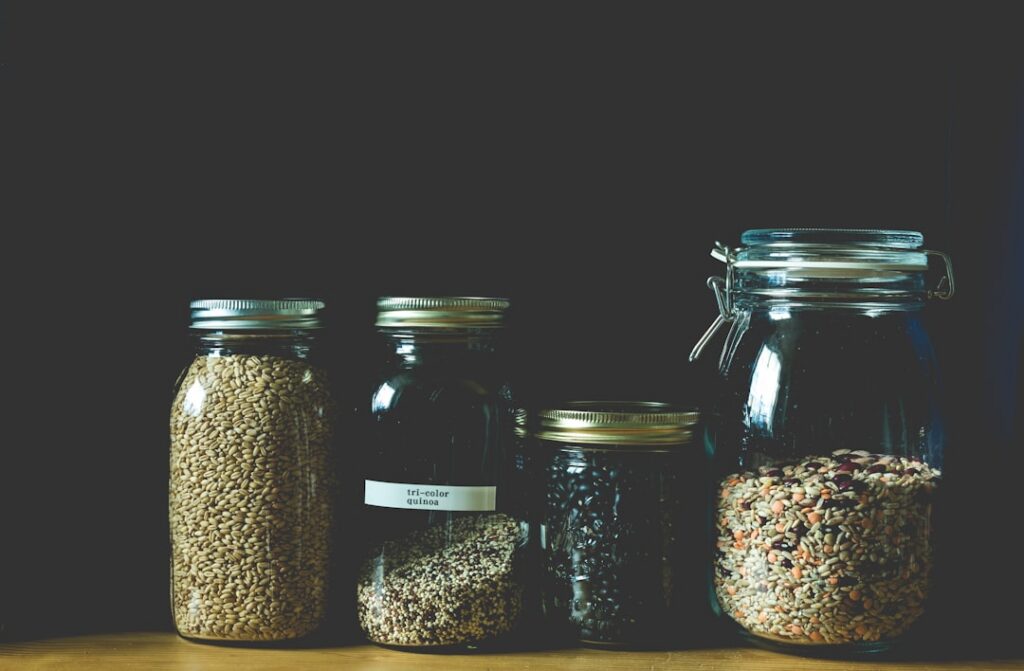
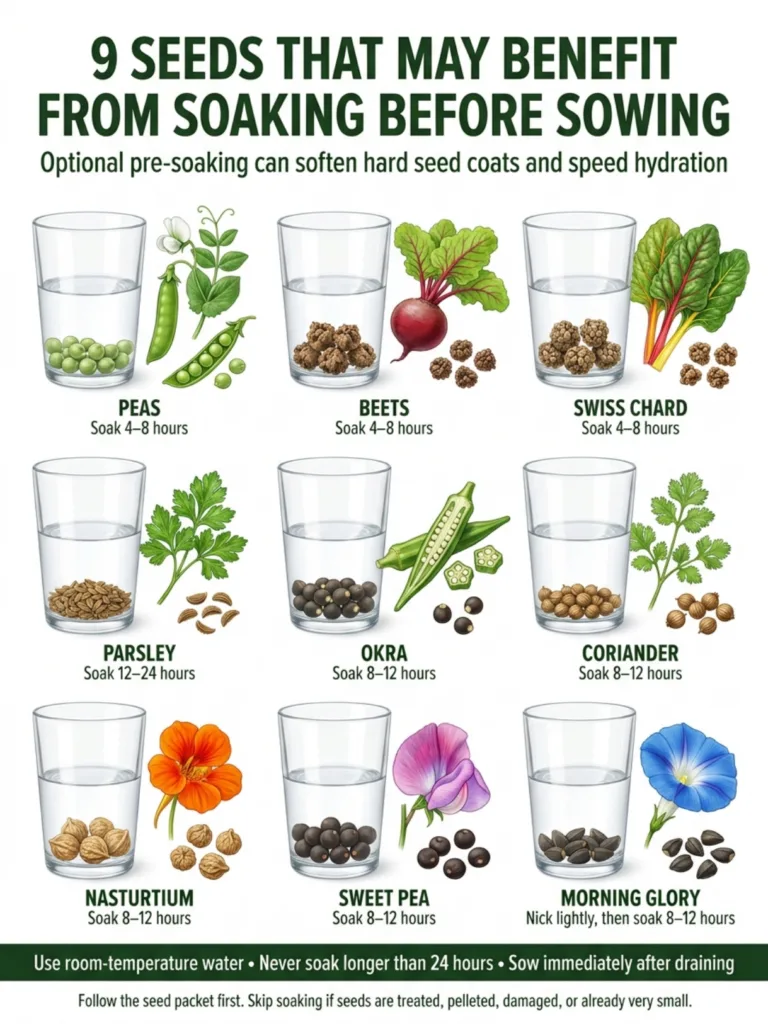 A visual guide to various seeds that benefit from a little pre-sowing soak!
How to Give Your Seeds a Spa Day: A Simple Guide
Pre-soaking isn’t complicated, but a few simple rules can make all the difference:
1. Choose the Right Seeds
Not all seeds need or benefit from soaking. Generally, larger seeds with tougher coats, or those known for slow germination, are prime candidates. We’ll list some common ones in a moment!
2. Use Room Temperature Water
Cold water can shock your seeds, and hot water might cook them! Aim for lukewarm or room-temperature water. Tap water is usually fine, but if your tap water is heavily chlorinated, you might let it sit out for an hour or two to allow the chlorine to dissipate.
3. Find the Right Container
Small, clean jars, plastic containers, or even shallow dishes work well. Make sure there’s enough water to completely cover the seeds, but not so much that they’re swimming in a vast ocean.
4. Mind the Clock
This is crucial! Soaking times vary wildly between different seed types. Over-soaking can actually harm your seeds, causing them to rot or run out of oxygen. Generally, most seeds will benefit from 8-24 hours. A good rule of thumb is to avoid soaking for more than 24 hours unless specifically recommended.
5. Sow Immediately After Soaking
Once your seeds have had their soak, it’s time to plant them right away! Don’t let them dry out after soaking, as this can undo all the good work and stress the germinating embryo.
 Small jars are perfect for giving your seeds a refreshing pre-planting soak!
Seeds That Love a Good Soak (and Their Soaking Times!)
Based on common garden wisdom, here are some seeds that truly appreciate a little pre-soak. Remember, these are general guidelines, and it’s always good to check your seed packet for specific recommendations!
- Peas: 12-24 hours. These little green gems love a good drink before going into the soil, often leading to quicker, more uniform sprouts.
- Beets: 8-12 hours. Beets can sometimes be slow to start, and soaking helps soften their somewhat irregular seed clusters.
- Swiss Chard: 8-12 hours. Similar to beets, chard seeds benefit from soaking to encourage quicker germination.
- Parsley: 12-24 hours. Parsley is notoriously slow and stubborn to germinate. A long soak can significantly speed things up.
- Okra: 12-24 hours. Okra seeds have tough coats, making them excellent candidates for a good, long soak.
- Nasturtium: 12-24 hours. These beautiful flowering plants have relatively large, hard seeds that soften nicely with a soak.
- Sweet Pea: 12-24 hours. Similar to garden peas, sweet peas benefit from soaking to help their germination.
- Morning Glory: 12-24 hours, and here’s a special tip: Nick lightly! Morning Glory seeds have very hard coats. Gently scratch or ‘nick’ the seed coat with a nail file or small knife before soaking. This creates a tiny opening for water to penetrate.
- Coriander (Cilantro): 12-24 hours. These flavorful herb seeds can also be a bit slow without a little encouragement from a soak.
Special Consideration: Scarification
For some seeds, like Morning Glory, you’ll hear the term ‘scarification.’ This isn’t just about soaking; it’s about physically breaking or weakening the seed coat. This can be done by rubbing them with sandpaper, nicking them with a knife, or even tumbling them with abrasive materials. Always combine scarification with soaking for the best results on tough-coated seeds!
 For very hard seeds, a gentle ‘nick’ before soaking can make all the difference!
When NOT to Soak Your Seeds
Just as important as knowing when to soak is knowing when to skip it. Avoid soaking seeds that are:
- Treated: If your seeds are coated with fungicides or other chemicals, soaking can wash away these beneficial treatments.
- Pelleted: Pelleted seeds have a clay coating to make them easier to handle. Soaking can dissolve this coating unevenly, making them harder to plant.
- Damaged or Very Small: Extremely tiny seeds or those that appear crushed or damaged might not hold up well to soaking.
- Quick Germinators: Many common seeds like lettuce, radishes, carrots, and most flowers germinate quickly without any pre-treatment. Soaking isn’t necessary and could potentially harm them.
Wrapping Up Your Seed Soaking Adventure
Pre-soaking seeds is a wonderfully simple and effective technique that can truly elevate your gardening game. It’s a gentle act of kindness to your future plants, giving them the best possible start in life. By understanding which seeds benefit, how to do it right, and when to hold back, you’ll be well on your way to a garden bursting with life and abundance.
So, next time you’re getting ready to sow, consider giving those thirsty seeds a little drink. You might just be amazed at the difference it makes in your sprouts and, ultimately, your harvests!
Happy gardening, friends!