Have you ever looked at an old, forgotten item and wondered if it could have another life? As gardeners, we often find ourselves drawn to the beauty of transformation—turning a tiny seed into a magnificent plant, or a bare patch of earth into a vibrant oasis. But this love for transformation doesn’t have to stop at nature! Giving old objects a new purpose in your garden is one of the most rewarding and creative ways to add unique charm to your outdoor space.
Today, we’re diving into the wonderful world of upcycling, where ‘old junk’ becomes ‘garden treasure.’ It’s about more than just saving money; it’s about infusing your personality into every corner of your garden, reducing waste, and creating truly one-of-a-kind pieces that tell a story.
Why Embrace Upcycling in Your Garden?
The beauty of upcycling goes far beyond aesthetics. It’s a practice rooted in sustainability and ingenuity, offering a multitude of benefits for both you and your environment:
- Sustainable Living: By repurposing items, you’re diverting waste from landfills and reducing the demand for new manufactured goods. It’s a small step that makes a big difference for our planet.
- Unique Charm: Let’s be honest, store-bought planters, while functional, often lack character. Upcycled pieces bring a story, a history, and an unparalleled uniqueness to your garden that mass-produced items simply can’t match.
- Cost-Effective: Who doesn’t love saving a few bucks? Many upcycling projects use materials you already have, find at thrift stores for a song, or even rescue from the curb.
- Personal Expression: Your garden is an extension of you. Upcycling allows you to express your creativity, showcase your personality, and craft a space that feels truly yours.
- Durability and Resilience: Many old items were built to last! Cast iron, sturdy wood, and thick ceramics can often withstand the elements far better than some modern garden decor.
Finding Your Garden Treasures: Where to Look
The world is your oyster when it comes to finding items to upcycle! Keep an open mind and a keen eye, and you’ll be surprised at what you discover:
- Your Own Home: Start by decluttering your attic, garage, or shed. Old tools, unused furniture, or even broken household items can spark inspiration.
- Thrift Stores and Flea Markets: These are goldmines for vintage finds. Look for old metal containers, wooden crates, unique ceramics, or interesting furniture pieces.
- Garage Sales and Estate Sales: Often, you can find incredible deals and items with a rich history just waiting for a new purpose.
- Online Marketplaces: Websites and local groups often have a ‘free’ section where people give away items they no longer need.
- Curbside Finds: Always be on the lookout when driving around! Just be sure items are genuinely discarded and safe to take.
Preparing Your Upcycled Planter: Essential Steps
Once you’ve found your treasure, a little preparation goes a long way to ensure it becomes a thriving home for your plants. Remember, we want happy plants!
1. Cleanliness is Key
Before doing anything else, give your chosen item a thorough cleaning. Use warm soapy water to remove dirt, grime, and any old paint chips. For metal items, you might need a wire brush to remove rust. Ensure everything is completely dry before proceeding.
2. Ensure Proper Drainage
This is perhaps the most crucial step for any planter. Without adequate drainage, your plant’s roots will sit in soggy soil, leading to root rot and an unhappy plant.
- Drilling Holes: For most containers (metal tubs, plastic buckets, ceramic pots, wooden boxes), you’ll need to drill drainage holes. Use an appropriate drill bit for the material (e.g., masonry bit for ceramic, metal bit for metal). Aim for several 1/2-inch holes at the bottom.
- Natural Drainage: If your item is naturally porous (like an old wicker basket), you might not need to drill, but consider lining it to prevent soil loss.
3. Consider a Liner (Especially for Wood or Metal)
For wooden planters, a liner (like heavy-duty plastic sheeting or a pre-formed plastic pot) can extend its life by protecting the wood from constant moisture. For metal planters, a liner can help prevent rust, especially if you’re not planning to seal or paint it.
- Punch holes in the liner to match the drainage holes you created in the outer container.
- Make sure the liner fits snugly but allows for proper water flow.
4. Sealing and Painting (Optional, but Recommended for Longevity)
Depending on your item and desired aesthetic, you might want to seal or paint it. This can protect the material from the elements and enhance its appearance.
- For Wood: Use an exterior-grade sealant or paint to protect against rot and weather damage.
- For Metal: Use a rust-inhibiting primer before painting with an outdoor-grade paint. This is especially important for items like the Singer sewing machine base.
- Safety First: If you are painting or sealing, always work in a well-ventilated area and wear appropriate protective gear, such as gloves and a mask. Allow items to dry thoroughly according to product instructions before adding soil and plants.
Bringing the Singer Sewing Machine Planter to Life
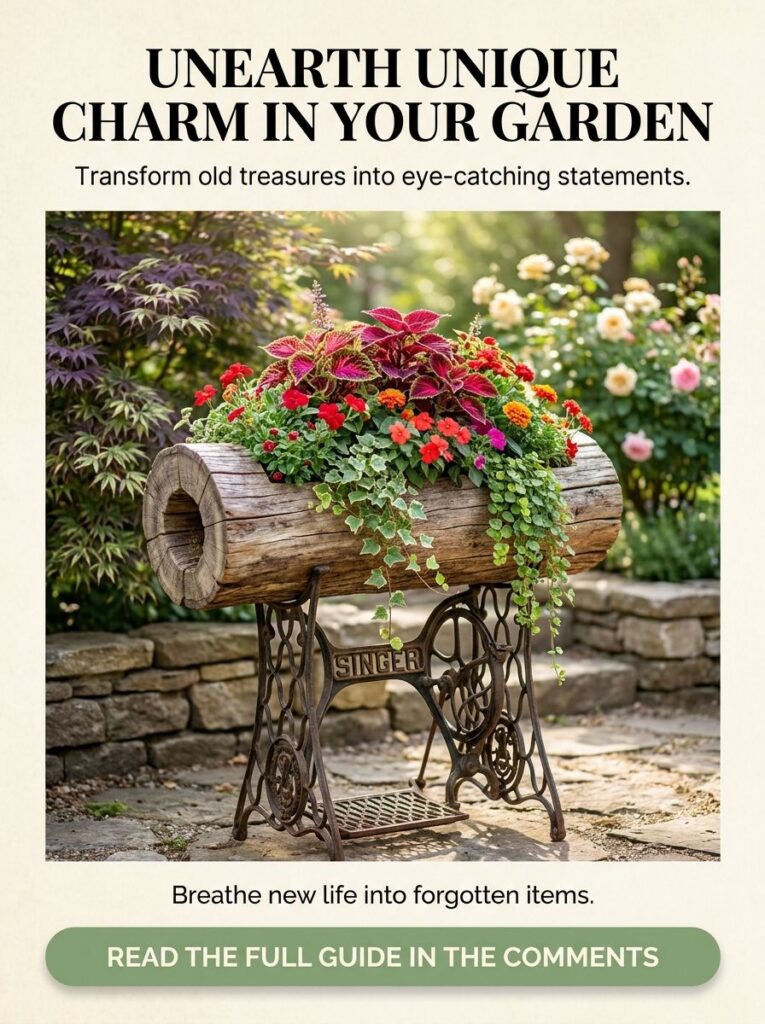
Let’s take inspiration from that gorgeous vintage Singer sewing machine base transformed into a planter! This project beautifully combines rustic wood with elegant, sturdy cast iron.
The Base: A Foundation of History
The antique cast iron Singer sewing machine base provides an incredibly stable and ornate foundation. Its intricate details and solid construction make it perfect for holding a substantial planter. Ensure the base is level and stable wherever you place it in your garden.
The Planter: A Hollow Log’s New Purpose
The hollow log is a brilliant choice for the container itself. Here’s how to ensure it thrives:
- Sourcing: Look for naturally hollowed logs or hollow one out yourself (with appropriate tools and safety precautions). Ensure the wood is sound and not riddled with pests.
- Drainage in Logs: If the log is truly hollow and open at the bottom, place a layer of gravel or broken pottery shards before adding soil to encourage good drainage. If it’s more like a trough, drill several drainage holes through the bottom of the log.
- Lining the Log: Consider lining the inside of the log with landscape fabric or a thin plastic sheeting (with drainage holes) to prevent the wood from deteriorating too quickly from constant moisture.
- Securing the Log: Ensure the log sits securely on the Singer base. You might use heavy-duty adhesive or even a couple of discreet screws (if the log is thick enough and you’re not worried about damaging the base) to prevent it from shifting.
Choosing the Right Plants for Your Upcycled Masterpiece
Once your unique planter is ready, it’s time for the fun part: filling it with plants! When selecting plants, consider the following:
- Size and Depth of Container: A shallow log won’t support a deep-rooted shrub, just as a small pot won’t be happy with a sprawling vine. Match the plant’s mature size to your container.
- Sunlight Requirements: Place your upcycled planter in a spot where your chosen plants will thrive. Full sun plants need at least 6 hours of direct sun, while shade lovers prefer less.
- Watering Needs: Group plants with similar watering requirements together. Plants in smaller, shallower containers will dry out faster than those in larger, deeper ones.
- Your USDA Hardiness Zone: Always check your local zone to ensure your plants can survive the winter outdoors. For year-round displays, consider hardy perennials or cold-tolerant annuals. Many gardeners opt for annuals in unique upcycled containers for a fresh look each season.
- Aesthetic Appeal: Think about color, texture, and form. Trailing plants (like petunias, ivy, sweet potato vine) spilling over the edges of a log look fantastic, while upright plants (geraniums, salvias) add height and structure.
Great Plant Choices for Upcycled Planters:
- Trailing Annuals: Lobelia, Bacopa, Sweet Alyssum, Million Bells (Calibrachoa)
- Vibrant Flowers: Geraniums, Marigolds, Petunias, Zinnias, Begonias
- Herbs: Thyme, Oregano, Mint, Basil (be mindful of mint’s spreading habit if not contained!)
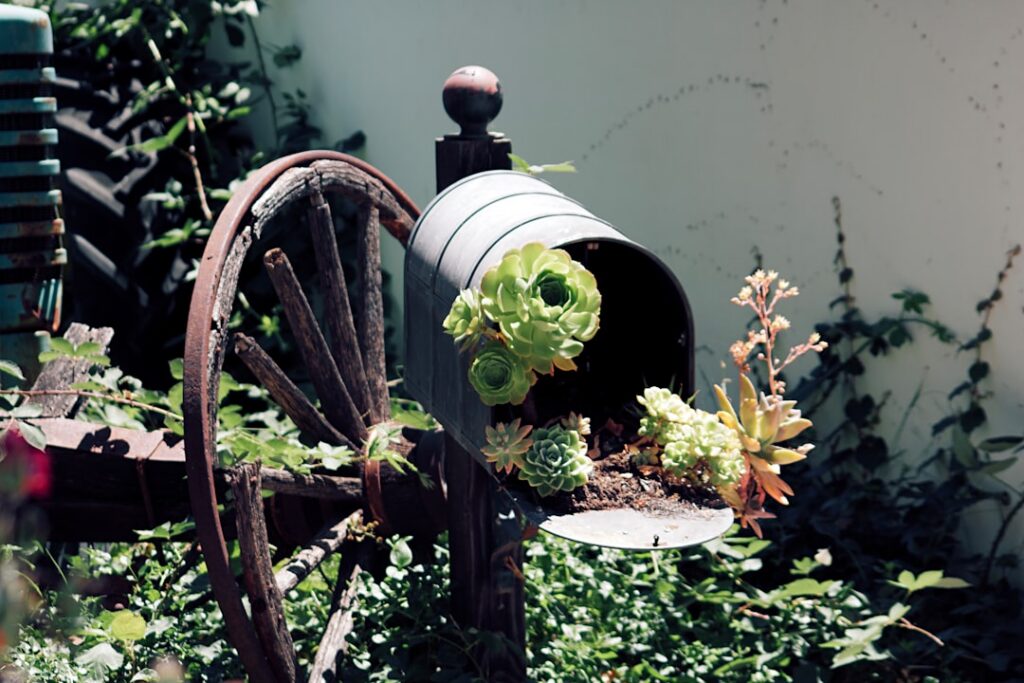
- Succulents and Cacti: Excellent for containers with less frequent watering, provided they have superb drainage.
- Small Perennials (Zone-Appropriate): Hostas (for shade), Sedum, various low-growing grasses.
More Creative Upcycling Ideas for Your Garden
The Singer sewing machine planter is just the beginning! Here are a few more ideas to get your creative juices flowing:
- Old Tires: Paint them vibrant colors and stack them for multi-level planters, or cut them creatively for unique shapes. They’re incredibly durable!
- Pallets: Transform wooden pallets into vertical gardens for herbs or strawberries, or disassemble them for raised garden beds.
- Bathtubs and Toilets: Yes, really! Painted clawfoot tubs make stunning large planters, and old toilets can be quirky additions to a whimsical garden corner.
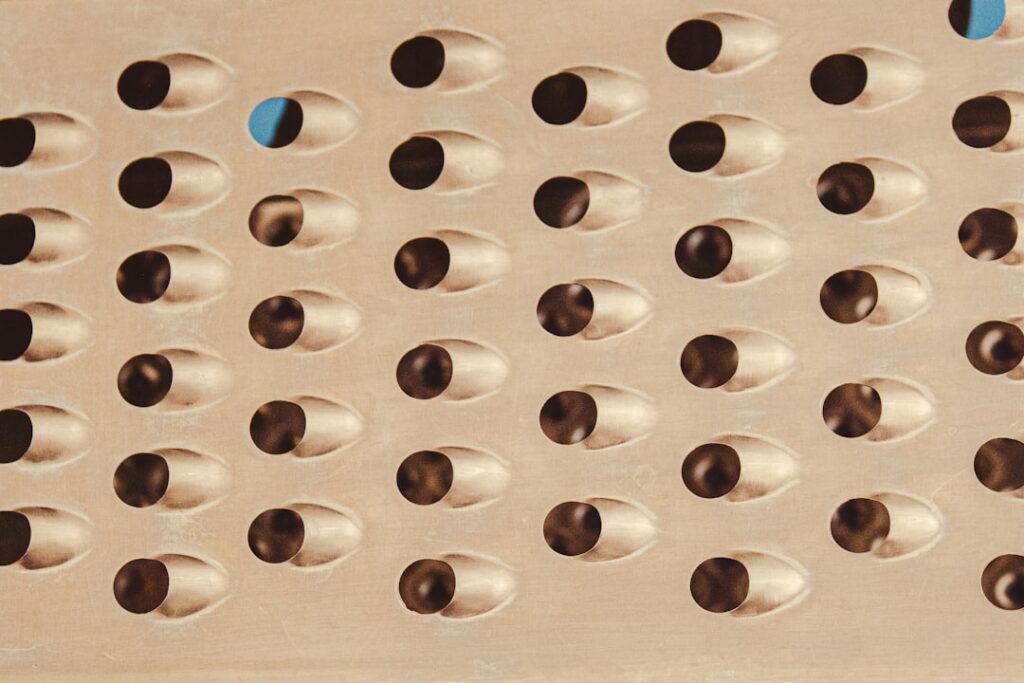
- Colanders and Strainers: Their built-in holes are perfect for drainage, making them ideal for hanging baskets or quirky herb planters.
- Old Boots or Shoes: Especially colorful wellington boots. Fill with soil and tuck in small annuals or succulents for a playful touch.
- Tin Cans and Buckets: Paint them, punch drainage holes, and use them for herbs or small flowers.
Keeping Your Upcycled Garden Thriving
Maintaining your upcycled wonders is much like caring for any other plant, but with a few unique considerations:
- Regular Watering: Containers tend to dry out faster than garden beds, especially those made of porous materials like wood. Check soil moisture daily, especially during hot, dry spells.
- Fertilization: Container plants need regular feeding as nutrients leach out with watering. Use a balanced liquid fertilizer every 2-4 weeks during the growing season.
- Pest and Disease Watch: Keep an eye out for any signs of pests or diseases. Addressing issues early will save you a lot of trouble.
- Winter Care: For non-hardy plants, either bring the entire container indoors, or remove the plants and compost them, cleaning the container for next season. For hardy plants, ensure adequate drainage through winter to prevent freeze-thaw cycles from damaging roots or containers.
Ready to Transform Your Garden?
Embracing upcycling is an incredibly rewarding way to add character, sustainability, and personal flair to your garden. From a vintage Singer sewing machine base to an old log, every piece has the potential to become a beautiful statement. It’s about seeing the hidden beauty and purpose in everyday objects and giving them a second chance to shine.
So, take a stroll around your home, visit a local thrift store, or keep an eye out on your next walk. You might just find the next unique piece to transform your garden into a truly enchanting space. Happy upcycling, fellow gardeners!