Have you ever finished a meal and felt full, only to find yourself hungry again an hour later? Or perhaps you’ve eaten what felt like a large portion and remained satisfied for hours. The surprising truth is that two meals with the same calories can lead to vastly different hunger levels. It’s not just about the calorie count; it’s about the volume of food you consume and its nutritional makeup.
Understanding the difference between calorie density and food volume is a game-changer for managing hunger, supporting weight goals, and making more satisfying dietary choices. This article will explore how food volume profoundly changes your eating experience and helps you feel fuller, longer, without necessarily increasing your calorie intake.
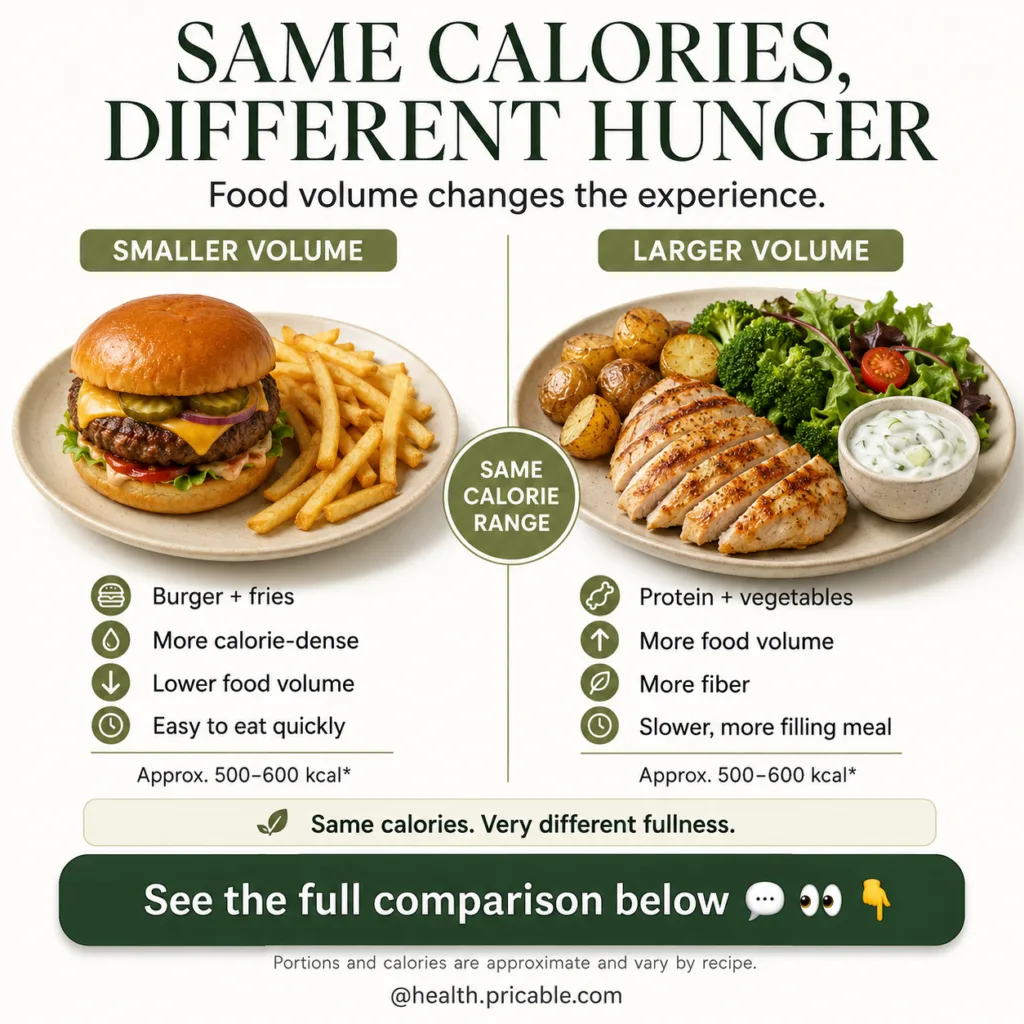 Two meals, same calories, vastly different experiences.
The Core Concept: Same Calories, Different Hunger
Our bodies register fullness not just by the number of calories we’ve eaten, but significantly by the physical volume of food in our stomachs. This is where the principle of food volume comes into play. You can eat a small plate of highly calorie-dense food and still feel unsatisfied, while a large plate of nutrient-dense, high-volume food can leave you feeling comfortably full for an extended period, all within the same calorie range.
Understanding Calorie Density and Food Volume
- Calorie Density: This refers to the number of calories in a given weight or volume of food. Foods high in fats and refined sugars tend to be very calorie-dense.
- Food Volume: This refers to the physical amount of food you consume. Foods rich in water and fiber, like most fruits and vegetables, have a high volume relative to their calorie content.
Meal 1: The Smaller Volume, Calorie-Dense Choice
Let’s consider a classic example: a cheeseburger with a side of french fries. This meal, while seemingly modest in size, packs a significant caloric punch, typically falling in the 500-600 kcal range.
- High Calorie Density: Both the burger (especially with cheese and sauces) and fries are rich in fat and often refined carbohydrates, making them calorie-dense.
- Low Food Volume: Despite the satisfaction they might initially provide, the actual physical volume of this meal is relatively small. There’s not much fiber or water to bulk it up.
- Quickly Eaten: The texture and composition often make these types of meals very easy and quick to consume.
- Lower Satiety: Because of the low volume and often lower protein/fiber content (especially compared to the alternative), this meal may leave you feeling hungry again sooner, leading to potential overeating later.
Meal 2: The Larger Volume, Nutrient-Rich Alternative
Now, let’s look at an alternative meal that could share a similar calorie count (500-600 kcal) but offers a completely different experience: grilled chicken breast, roasted baby potatoes, steamed broccoli, and a fresh green salad with a light dressing.
- Balanced Nutrients: This meal is rich in lean protein (chicken), complex carbohydrates (potatoes), and an abundance of fiber and vitamins from the vegetables.
- High Food Volume: Thanks to the water content in vegetables and the sheer quantity of food on the plate, this meal offers a much larger physical volume.
- Slower to Eat: The variety of textures and components often encourages slower, more mindful eating.
- Higher Satiety: The combination of protein, fiber, and high water content works synergistically to keep you feeling full and satisfied for much longer.
Why Volume Matters: The Science of Satiety
Feeling full is a complex process involving signals from your stomach and hormones from your gut. When you eat high-volume foods:
- Stomach Stretch: The physical presence of food stretches your stomach, sending signals to your brain that you’re full. High-volume foods trigger this more effectively than calorie-dense alternatives.
- Fiber Content: Foods high in fiber add bulk, slow down digestion, and help regulate blood sugar, all contributing to sustained fullness.
- Protein Power: Protein is renowned for its satiety-boosting effects. It helps reduce hunger hormones and increases hormones that promote fullness.
- Water Content: Water-rich foods, like many fruits and vegetables, contribute to volume without adding significant calories.
By prioritizing high-volume foods, you’re not just eating more physically; you’re also often consuming more essential nutrients that support overall health and well-being.
Making Smarter Choices: Applying the Volume Eating Principle
Incorporating the principles of volume eating into your daily routine doesn’t mean sacrificing flavor or feeling deprived. Here are some practical ways to apply this concept:
- Fill Half Your Plate with Veggies: At every meal, aim to make vegetables (especially non-starchy ones like broccoli, spinach, bell peppers, carrots) the star.
- Prioritize Lean Protein: Include sources like chicken, fish, beans, lentils, or tofu to boost satiety.
- Choose Whole Grains: Opt for quinoa, brown rice, or whole-wheat pasta over refined grains for added fiber.
- Hydrate: Drinking water before and during meals can also contribute to feelings of fullness.
- Smart Snacking: Reach for fruits, vegetable sticks, or a handful of nuts instead of processed snacks.
By focusing on foods that offer a generous serving size for fewer calories, you can enjoy your meals more, feel satisfied, and naturally manage your calorie intake without constant hunger.
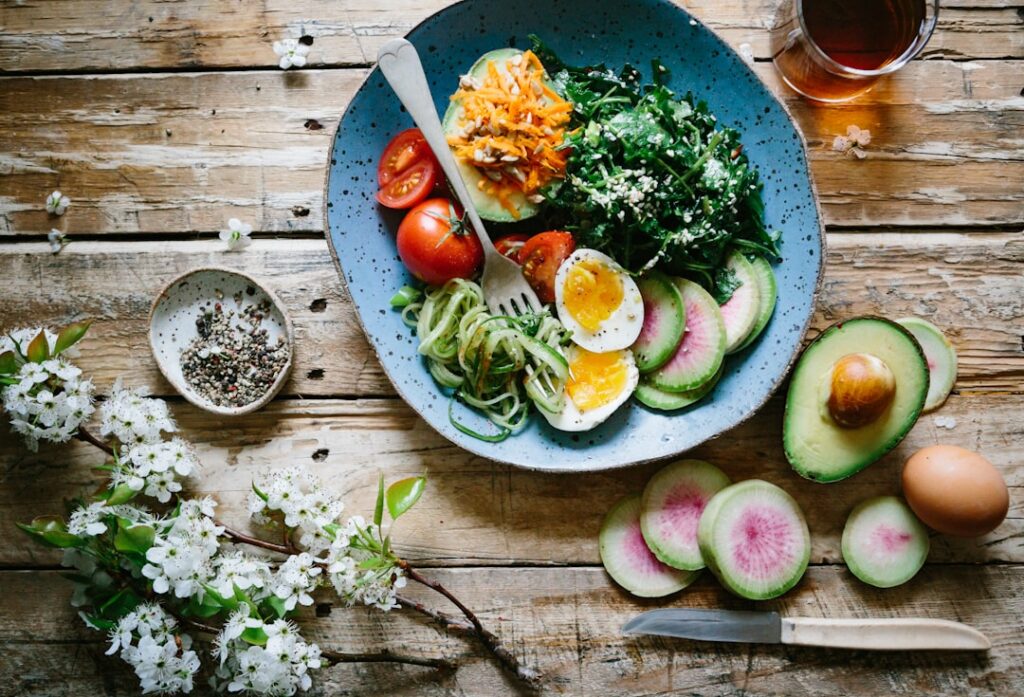 Enjoy larger portions that keep you satisfied with high-volume, nutrient-dense foods.
Frequently Asked Questions About Food Volume and Satiety
Can I still eat my favorite calorie-dense foods?
Absolutely! The goal isn’t to eliminate all calorie-dense foods, but to balance them with high-volume options. Enjoy smaller portions of your favorites alongside a generous serving of vegetables or lean protein to increase overall meal volume and satisfaction.
Is volume eating suitable for weight loss?
Yes, volume eating is a highly effective strategy for weight management. By focusing on foods that provide greater fullness for fewer calories, you can reduce overall calorie intake without feeling deprived, making it easier to stick to a calorie deficit.
What are some easy high-volume, low-calorie swaps?
- Swap regular pasta for zucchini noodles or spaghetti squash.
- Replace sugary drinks with water, sparkling water with fruit, or unsweetened tea.
- Add extra vegetables to stir-fries, omelets, and soups.
- Choose air-popped popcorn over chips.
- Opt for berries and apples instead of dried fruit for snacks.