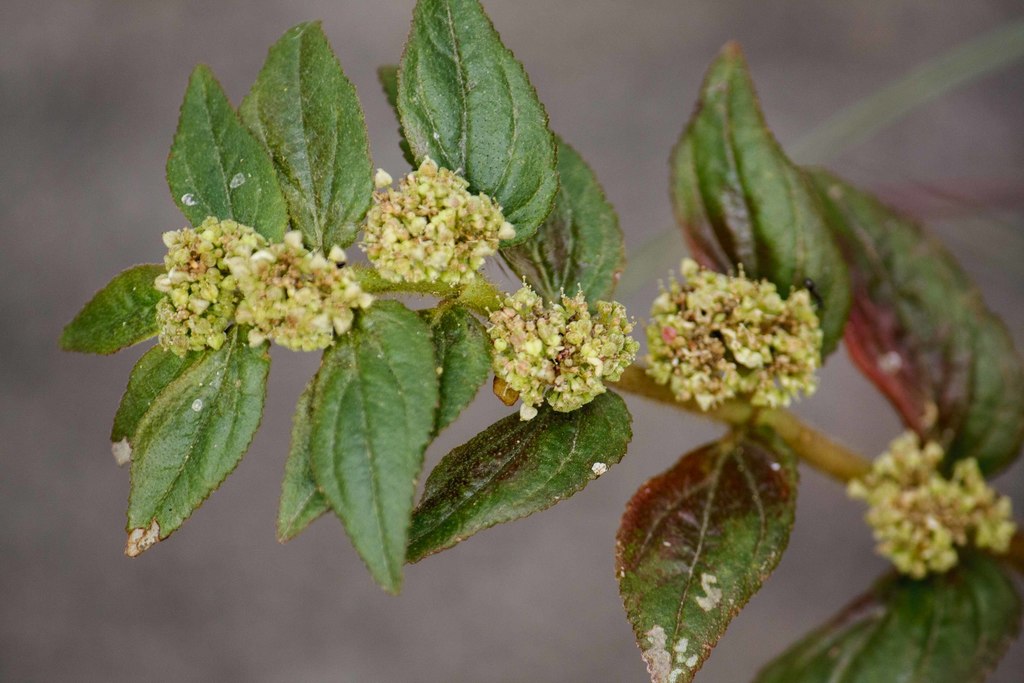
If you grew up in the countryside, you may have walked past Euphorbia hirta hundreds of times without knowing what it was. This small wild plant, often treated as a weed along footpaths and garden edges, has a surprisingly long history in traditional medicine.
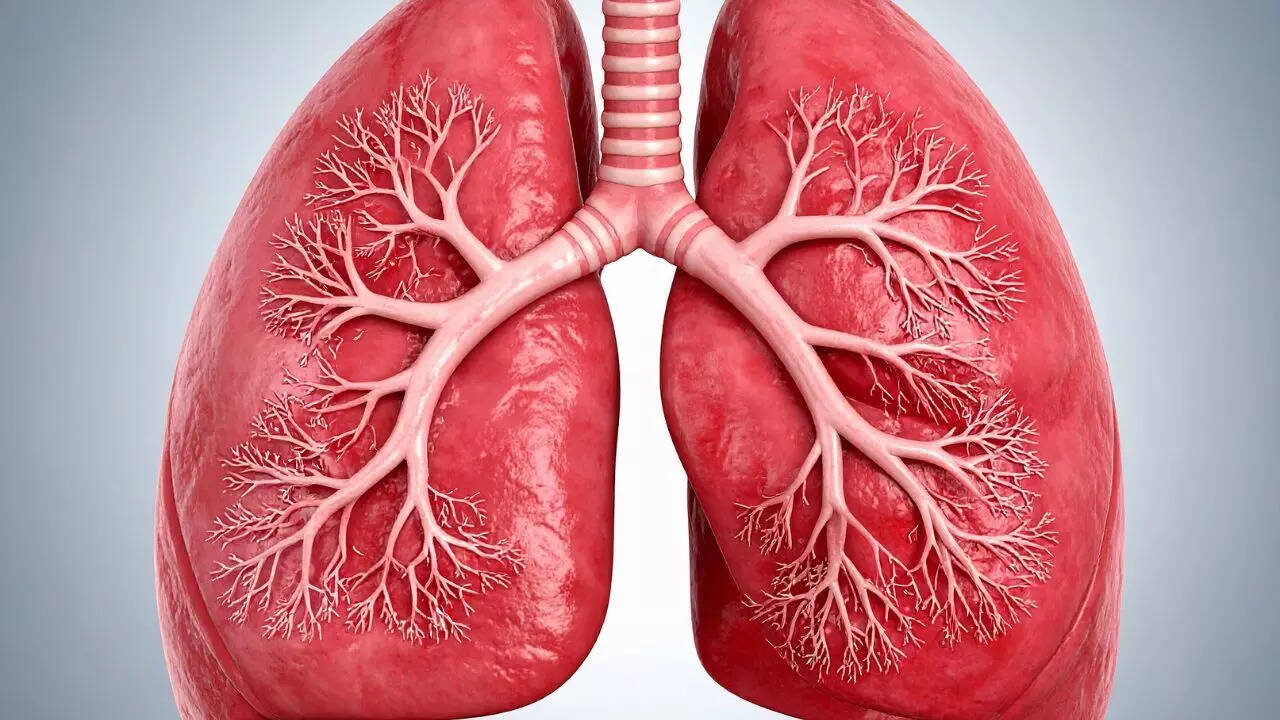
Known by names like Asthma Weed, Snake Weed, or Cỏ Sữa Lá Nhỏ, Euphorbia hirta has been used for generations to ease breathing, loosen stubborn mucus, and calm irritated lungs. Today, researchers are studying its active compounds, but long before that, families were already using it as a simple home remedy for respiratory discomfort.
What Euphorbia hirta is traditionally used for
In folk and herbal practices across Asia, Africa, and other regions, Euphorbia hirta has been used for several recurring purposes:
-
Easing tight or heavy breathing
The plant has been regarded as a gentle broncho‑relaxant, helping the airways feel more open and reducing the sensation of “heaviness” in the chest. -
Helping break down chest mucus
Warm infusions made from the leaves are traditionally used to soften thick phlegm, making it easier to expel, especially during morning congestion. -
Supporting recovery after smoke, dust, or pollution
Farmers, outdoor workers, and those exposed to smoke or dusty air often drank Euphorbia hirta tea after long days to support lung comfort. -
Calming chest or airway spasms
This is one reason it gained the name “Asthma Weed.” It was never considered a cure for asthma, but many people relied on it to ease spasmodic, tight breathing. -
Reducing lingering cough
Especially for dry, irritating coughs that persist after colds, seasonal changes, or respiratory infections.
How traditional households prepare Euphorbia hirta
The preparation is very simple and fits naturally into evening routines.
Ingredients
-
1 small handful Euphorbia hirta (fresh or dried)
-
1 cup water
-
Optional: honey, ginger, or a slice of lemon for flavor
Method (tea)
-
Rinse the herb thoroughly to remove dirt.
-
Bring 1 cup of water to a boil.
-
Add the herb, reduce the heat, and simmer gently for 5–7 minutes.
-
Strain into a cup and drink while warm.
It is commonly taken once per day, usually in the evening or at times when the chest feels heavy or breathing feels labored.
Traditional steam inhalation method
For congestion or a “blocked” feeling in the airways, many families also used a simple steam ritual:
-
Add the herb to a bowl or pot of hot water.
-
Lean over the bowl, cover your head with a towel, and gently inhale the warm steam for 3–4 minutes.
-
This is often described as giving immediate subjective relief in the chest and throat.
Common experiences people report
These are traditional observations, not medical promises, but they are remarkably consistent across many households:
-
The chest feels lighter and less tight
-
Phlegm becomes thinner and easier to clear
-
Morning cough is less intense
-
The airway feels “cleaner” after steam inhalation
Safety notes
Because Euphorbia hirta is a biologically active plant, it should be used with care:
-
Avoid during pregnancy and breastfeeding.
-
Not suitable for people with latex allergy, as Euphorbia species contain a latex-like sap.
-
Do not use in high doses or for long periods without professional guidance.
-
Always consult a healthcare professional if you have chronic lung conditions such as asthma, COPD, or if you are on regular medication.
Why this herb still matters today
Modern life exposes the lungs to air pollution, indoor chemicals, smoke, and fine dust on a daily basis. While prescription treatments are essential for serious respiratory diseases, traditional herbs like Euphorbia hirta offer gentle, time-tested support that many people use as part of their daily routine.
Used correctly and cautiously, it is not a replacement for medical care, but it can be a meaningful, comforting addition to a broader lung-care and wellness plan.