When you’re managing prediabetes, making smart food choices is a cornerstone of living well. One of the simplest yet most effective strategies you can adopt is making protein your mealtime friend. Including adequate protein in every meal and snack is a powerful way to help stabilize blood sugar levels and keep you feeling satisfied for longer.
Understanding how protein works in your body can empower you to make more informed decisions about your diet, helping you navigate your prediabetes journey with confidence and ease.

Why Protein Matters for Prediabetes Management
Protein plays several crucial roles in your body, especially when it comes to blood sugar control and overall well-being. Here’s why it’s a star player in a prediabetes-friendly diet:
- Blood Sugar Stability: Unlike carbohydrates, protein has a minimal impact on blood sugar levels. When consumed alongside carbohydrates, protein slows down the digestion and absorption of sugars, leading to a more gradual rise in blood glucose. This helps prevent sharp spikes and crashes.
- Increased Satiety and Fullness: Protein is renowned for its ability to keep you feeling full and satisfied. It triggers the release of hormones that signal fullness to your brain, which can help reduce overall calorie intake and prevent overeating, supporting weight management – a key factor in prediabetes.
- Muscle Maintenance: Protein is essential for building and repairing tissues, including muscle. Maintaining muscle mass is beneficial because muscles are significant users of glucose, helping to keep blood sugar levels in check.
Excellent Protein Sources to Include
The good news is that there’s a wide variety of delicious protein sources to choose from. Incorporating a mix of these into your diet can provide a range of nutrients and keep your meals exciting:
Animal-Based Proteins:
- Lean Meats: Skinless chicken and turkey, lean cuts of beef (like sirloin or tenderloin), and pork tenderloin.
- Fish and Seafood: Fatty fish like salmon, mackerel, and sardines are rich in omega-3s, while cod, tuna, and shrimp are also great options. Aim for at least two servings per week.
- Eggs: A versatile and complete protein source, perfect for any meal.
- Dairy: Greek yogurt, cottage cheese, and milk (opt for plain, unsweetened varieties).
Plant-Based Proteins:
- Legumes: Chickpeas, lentils, black beans, kidney beans, and edamame are packed with protein and fiber.
- Tofu and Tempeh: Soy-based products that are excellent protein alternatives.
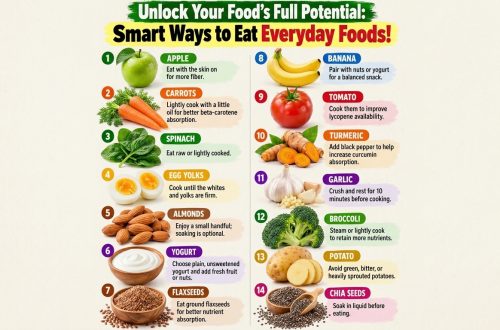
- Nuts and Seeds: Almonds, walnuts, chia seeds, flax seeds, and pumpkin seeds offer protein, healthy fats, and fiber.
- Whole Grains: While primarily carbohydrates, grains like quinoa and oats contribute a significant amount of protein and fiber.
Practical Tips for Incorporating More Protein
Making protein a priority doesn’t have to be complicated. Here are some simple ways to boost your protein intake throughout the day:
- Start Your Day with Protein: Instead of sugary cereals, opt for scrambled eggs, Greek yogurt with berries, or a protein smoothie.
- Make Protein a Part of Every Meal: Aim to include a protein source the size of your palm at lunch and dinner. This could be grilled chicken, baked fish, or a hearty bean salad.
- Snack Smart: Choose protein-rich snacks like a handful of almonds, a hard-boiled egg, cottage cheese, or a slice of turkey roll-up.
- Plan Ahead: Meal prepping can help ensure you always have healthy protein options on hand. Cook a batch of chicken or lentils at the beginning of the week.
- Experiment with Plant-Based Options: If you’re new to plant-based proteins, try adding lentils to soups, making a tofu scramble, or enjoying a quinoa salad.
By consciously integrating more protein into your meals and snacks, you’ll be taking a significant step towards stabilizing your blood sugar, feeling more satisfied, and supporting your overall health with prediabetes. What’s your favorite protein to add to your plate?