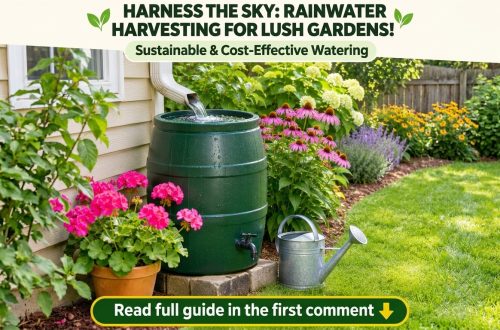
Watering the garden can take a lot of time and energy, especially during dry seasons when plants need consistent moisture. A gravity-fed rainwater trough offers a practical, low-maintenance way to keep your garden lush while making better use of the rain that falls on your property.
What Is a Gravity-Fed Rainwater Trough?
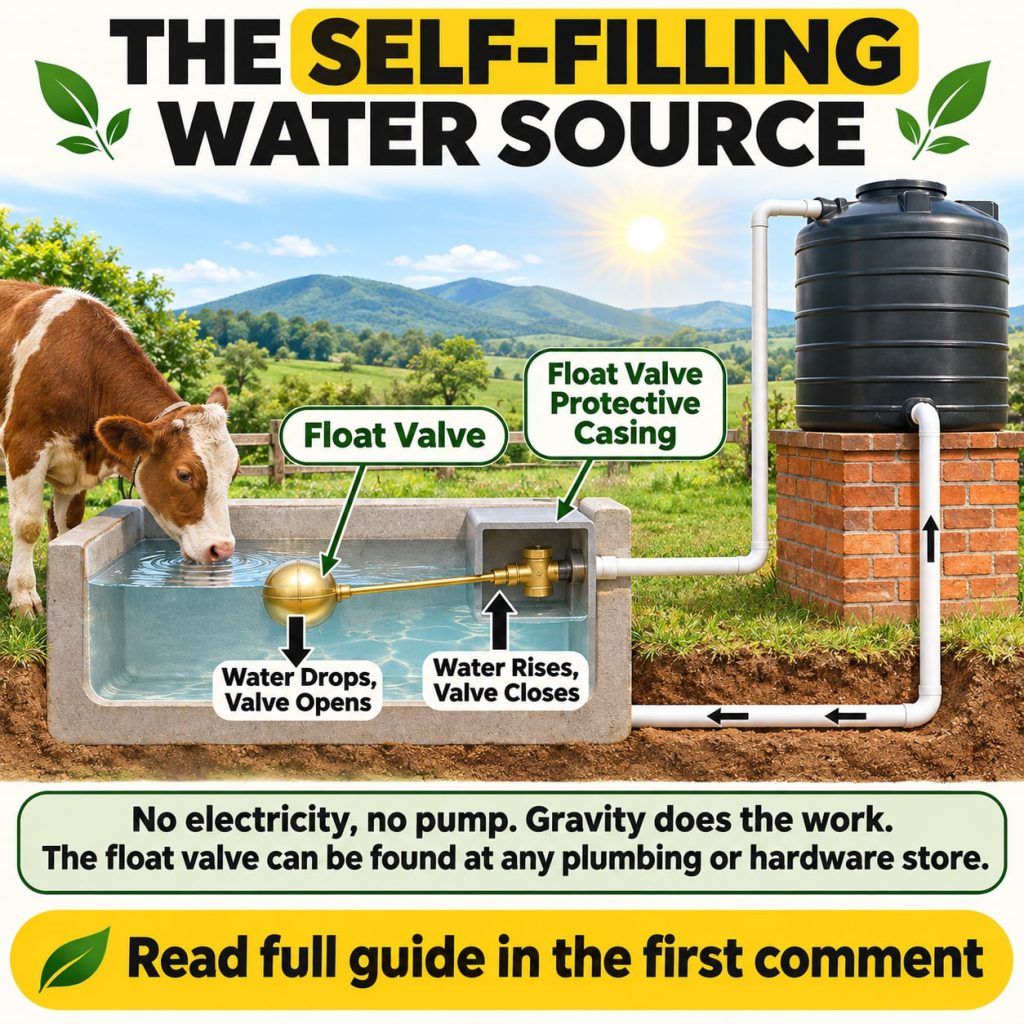
A gravity-fed rainwater trough is a water storage system that uses the natural pull of gravity to move collected rainwater from a higher container to a lower watering point. A float valve, the same type found in home water cisterns, regulates the water level so the trough refills automatically as water is used. Because the system needs no electricity or pump, it is an appealing choice for gardeners who want a sustainable option.
Why Rainwater Harvesting Works for Gardens
Rainwater is naturally soft and free of the added minerals found in some tap water, which many plants appreciate. Collecting it also reduces demand on municipal supplies and helps lower household water use over time. A gravity-fed setup makes this practice easier to maintain because the water stays available without constant manual refilling.
Key Benefits of a Gravity-Fed System
- No electricity required: The system works entirely through gravity and water level control.
- Consistent supply: The float valve keeps the trough topped up so plants receive water when they need it.
- Eco-friendly design: Capturing rainwater reduces reliance on treated tap water for garden care.
- Lower household water use: Using harvested rain for outdoor watering can ease demand on your household supply.
- Simple maintenance: With fewer moving parts than pump-based systems, upkeep is generally straightforward.
Basic Components to Consider
- A rainwater collection source, such as a downspout or storage barrel.
- A storage container or cistern placed at a higher elevation.
- A float valve to regulate the water level in the trough.
- A trough or watering channel positioned lower than the storage container.
- Pipes or hoses to connect the components and direct water to plant beds.
Tips for Setting Up Your System
Position the storage container high enough that gravity can push water steadily toward the trough. Check that all connections are watertight and that the float valve moves freely. Cover storage containers to limit mosquito breeding and keep debris out. Starting with a small setup is a helpful way to learn how water flows in your specific yard before expanding.
Best Plants to Water with Harvested Rain
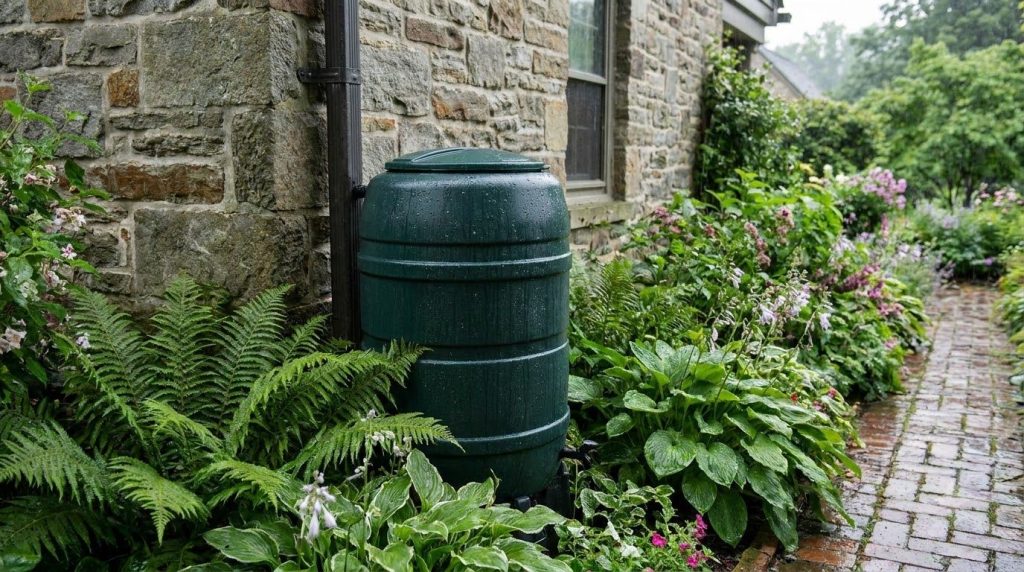
Rainwater works well for most garden plants, including flowers, leafy vegetables, herbs, and many fruiting crops. Container plants and raised beds often benefit most from a steady supply because they dry out faster than plants growing in the ground. Grouping plants with similar water needs makes the trough easier to manage.
Keeping the System Healthy
Regular checks help your rainwater trough last for seasons. Clean debris from gutters and filters, inspect the float valve for wear, and drain or refresh stored water if it sits for long periods. Watering in the early morning or evening reduces evaporation and helps plants make the most of every drop.
Final Thoughts
A gravity-fed rainwater trough is a thoughtful addition for anyone who wants to garden more sustainably. With a simple design, a float valve for steady water levels, and no need for electricity, it can help keep your plants healthy while supporting a greener home. Start small, observe how your garden responds, and enjoy the satisfaction of watering with the rain you have collected.