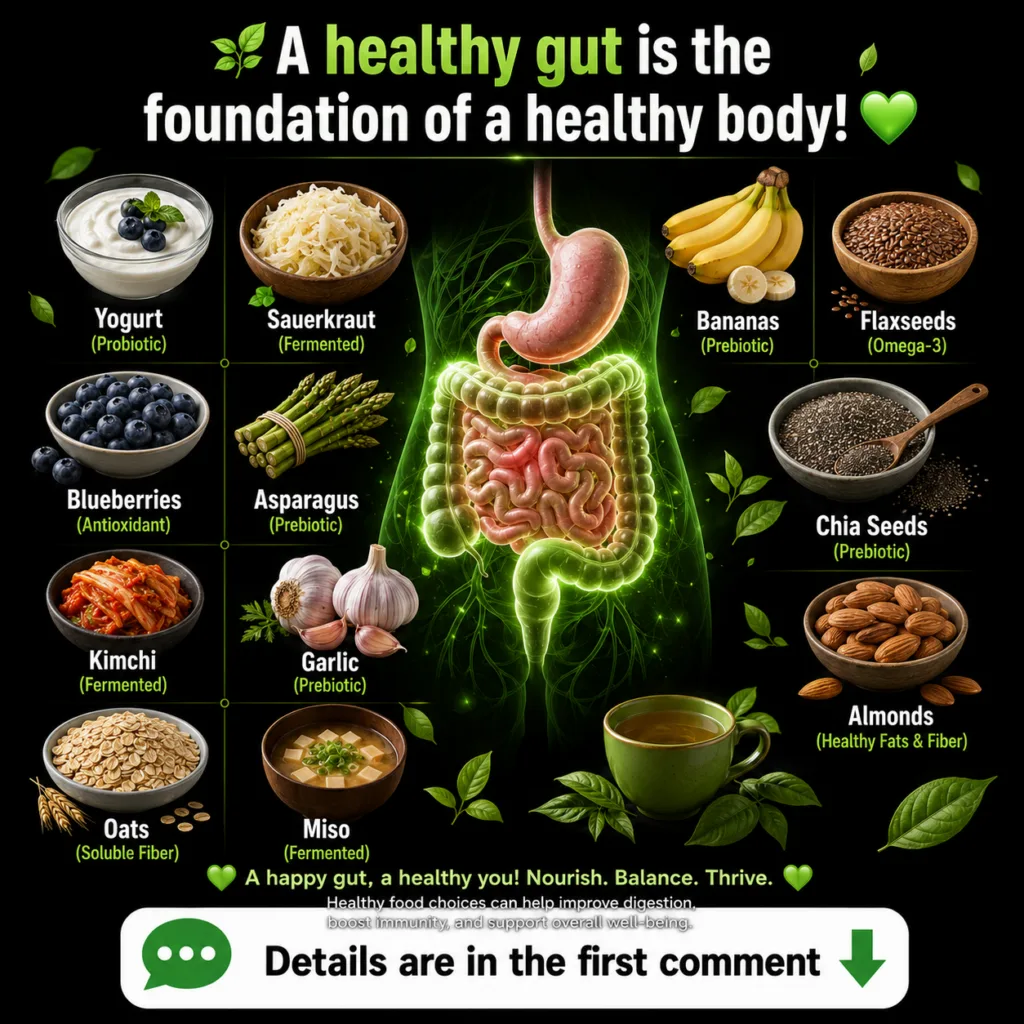
When we talk about overall wellness, one area often overlooked, yet profoundly impactful, is gut health. It’s not just about digestion; a healthy gut truly is the foundation of a healthy body, influencing everything from your immune system to your energy levels. Your gut does far more than process food—it’s a bustling ecosystem that plays a pivotal role in your total well-being.
Imagine your gut as the control center for your body’s vitality. When this system is balanced and nourished, it can fuel your immune system, elevate your energy, and transform your overall wellness. This article will explore why a happy gut leads to a healthier you, and how you can nourish, balance, and thrive by incorporating specific foods into your daily diet.
Why Your Gut is Your Body’s Command Center
The intricate network of bacteria, fungi, and other microbes living in your digestive tract—collectively known as the gut microbiome—is fundamental to almost every aspect of your health. A balanced microbiome supports:
- Robust Immune Function: A significant portion of your immune system resides in your gut. A healthy gut lining acts as a barrier against harmful pathogens, while beneficial bacteria help train immune cells to respond appropriately.
- Energy Levels and Mood: Your gut produces many neurotransmitters, including serotonin, which is crucial for mood regulation. An unbalanced gut can affect nutrient absorption, leading to fatigue and impacting mental clarity.
- Efficient Digestion and Nutrient Absorption: When your gut is happy, it breaks down food effectively, ensuring your body can absorb essential vitamins and minerals, which in turn powers every bodily function.
- Inflammation Regulation: A diverse and healthy gut microbiome can help keep systemic inflammation in check, which is crucial for preventing chronic diseases.
Ultimately, a healthy gut contributes to a happy you, making a proactive approach to gut wellness essential for long-term health.
Nourish Your Gut: Probiotic Powerhouses
Probiotics are live microorganisms, often referred to as “good” bacteria, that provide health benefits when consumed in adequate amounts. They help restore balance to the gut microbiome, especially after disruptions like antibiotic use or illness.
Yogurt: A Creamy Dose of Good Bacteria
Yogurt is one of the most widely recognized sources of probiotics. Specifically, yogurts containing live and active cultures like Lactobacillus and Bifidobacterium can significantly benefit your gut.
- How it Helps: These beneficial bacteria help break down food, produce vitamins, and fight off harmful pathogens, contributing to a diverse and resilient gut environment.
- How to Enjoy: Opt for plain, unsweetened yogurt to avoid added sugars. Enjoy it with fresh fruit, a drizzle of honey, or as a base for smoothies. Look for “best probiotic yogurt” options at your local grocery store.
Beyond yogurt, other fermented foods offer a rich source of probiotics:
- Kefir: A fermented milk drink with a thinner consistency than yogurt, rich in diverse probiotic strains.
- Sauerkraut & Kimchi: Fermented cabbage dishes that provide a tangy, crunchy addition to meals, packed with beneficial bacteria.
- Tempeh: A fermented soybean product that’s a great source of protein and probiotics for plant-based diets.
Balance Your Gut: Prebiotic Essentials
While probiotics introduce beneficial bacteria, prebiotics are a type of dietary fiber that acts as food for these good gut microbes. Think of them as the fertilizer that helps your probiotic garden flourish.
Chia Seeds: Tiny Powerhouses of Prebiotic Fiber
Chia seeds are renowned for their nutritional density, particularly their high fiber content, which makes them excellent prebiotics.
- How it Helps: The soluble fiber in chia seeds forms a gel-like substance in the digestive tract, which then ferments in the colon, providing nourishment for beneficial gut bacteria. This also supports healthy bowel movements and can aid in maintaining a “healthy weight.”
- How to Enjoy: Sprinkle chia seeds on oatmeal, yogurt, or salads. They’re also perfect for making overnight oats or “chia seed pudding” for a healthy breakfast idea.
Other fantastic sources of prebiotic fiber include:
- Oats: A classic “high fiber breakfast” choice, especially rolled oats, are rich in beta-glucan, a powerful prebiotic fiber.
- Bananas: Especially slightly green ones, contain resistant starch, a potent prebiotic.
- Garlic & Onions: These flavorful alliums are packed with prebiotics that support gut flora.
- Legumes: Beans, lentils, and chickpeas are excellent sources of both soluble and insoluble fiber.
Simple Steps to a Healthier, Happier Gut
Incorporating probiotic and prebiotic-rich foods into your diet doesn’t have to be complicated. Here are some practical tips to nourish, balance, and thrive:
- Start Small: Gradually introduce new fiber-rich and fermented foods to allow your digestive system to adjust.
- Mix and Match: Combine probiotics and prebiotics in meals. For example, enjoy yogurt with chia seeds and berries, or add sauerkraut to a lentil soup.
- Stay Hydrated: Water is essential for fiber to move smoothly through your digestive system and for overall gut function.
- Variety is Key: Aim for a diverse range of plant-based foods to feed a wider array of beneficial gut bacteria.
- Consider “Meal Prep”: Prepare gut-friendly meals in advance, such as overnight oats or pre-chopped veggies for easy additions to meals. You might even find “best meal prep containers” useful for this.
By making conscious choices to support your gut, you’re investing in a foundation that will positively impact your energy, immunity, and overall quality of life. A happy gut truly means a healthier you!