How to Spot Fresh Produce at the Store
Choosing fresh fruits and vegetables can feel tricky, especially when every bin looks colorful and appealing. The good news is that a few simple checks can help you pick produce that tastes better and holds up longer in your fridge.
This guide is for anyone who wants a healthier cart without guesswork. You will learn what to look for in tomatoes, broccoli, and guavas, plus easy habits you can use on any shopping trip.
Why Freshness Matters
Fresh produce often keeps more of its natural flavor and crunch. It can also make meals easier to plan, since ripe items are ready to eat or cook right away.
Shopping with a few clear checks saves money too. You waste less food when you bring home produce that lasts through the week.
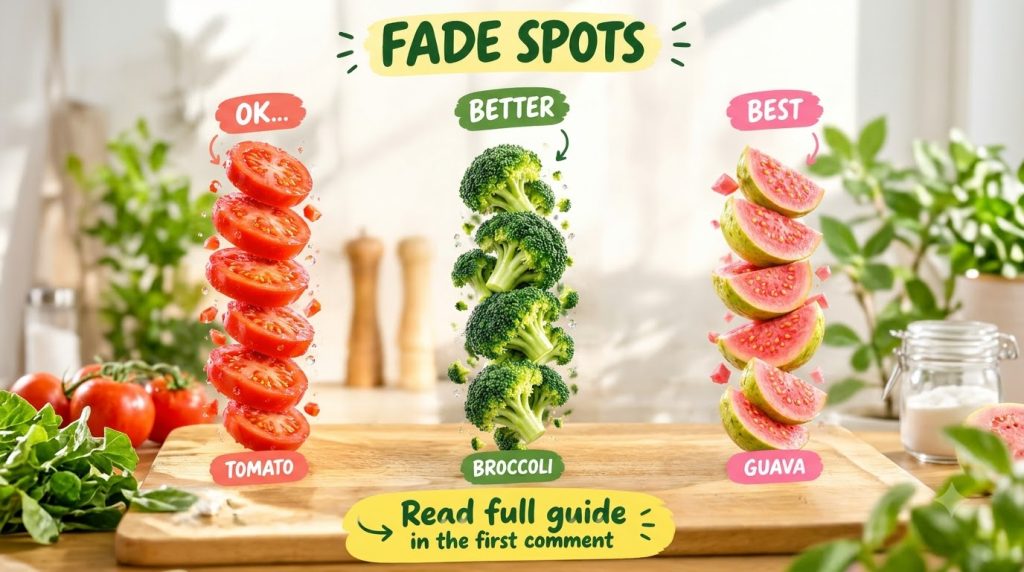
Tomatoes: Look for Weight and Color
- Choose tomatoes that feel heavy for their size. This often signals juiciness.
- Look for deep, even color without green patches near the stem.
- Avoid tomatoes with cracks, soft spots, or wrinkled skin.
A ripe tomato should give slightly when pressed gently. If it feels mushy, it is past its best.
Broccoli: Look for Tight, Firm Florets
- Pick heads with tight, dark green or blue-green florets.
- Check that the stalks feel firm and not rubbery.
- Skip bunches with yellow flowers or slimy spots.
Yellowing means the broccoli is aging. Fresh broccoli keeps best in the fridge, unwashed, in a loose bag.
Guavas: Look for Fragrance and Gentle Give
- Smell the fruit near the stem. A sweet, fruity scent usually means it is ripening well.
- Choose guavas that yield slightly to gentle pressure.
- Avoid fruit with deep bruises or a sour, fermented smell.
Guavas ripen quickly at room temperature. Buy them a day or two before you plan to eat them.
Practical Tips for Smarter Shopping
- Shop the perimeter first. Fresh produce is often placed around the edges of the store.
- Use your senses. Look at color, feel the weight, and smell fruit when possible.
- Buy in smaller amounts more often if you cannot eat everything within a few days.
- Store ripe fruit and vegetables separately, since some fruits release gases that speed up ripening nearby.
- Wash produce just before eating, not right after you bring it home.
Common Mistakes to Avoid
- Assuming bigger always means better. Size does not always reflect flavor or freshness.
- Choosing produce only by appearance. Texture and weight often tell you more.
- Buying too much at once, which can lead to waste.
Frequently Asked Questions
Is frozen produce a healthy choice?
Yes, frozen fruits and vegetables can be a convenient and nutritious option. Many are frozen soon after harvest, which helps preserve nutrients.
How can I tell if a tomato is ripe?
Look for deep color, a slight give when pressed, and a noticeable weight for its size.
Should I wash produce before storing it?
It is usually best to wait until right before eating. Extra moisture can speed up spoilage in some items.
Are organic and conventional produce equally healthy?
Both can be part of a healthy diet. Choose the option that fits your budget and preferences, and wash all produce well.
Why does broccoli turn yellow?
Yellowing usually means the broccoli is getting old. It may still be safe to eat if it is not slimy, but it will taste less fresh.
How long does fresh produce usually last?
Storage times vary widely. Leafy greens and berries often need quicker use, while squash and apples can keep longer when stored properly.
Conclusion
Spotting fresh produce gets easier with practice. Check color, weight, texture, and smell, and your grocery haul will be fresher and more satisfying. For more ideas on eating well, explore our other guides on healthy shopping and simple meal planning.
This content is for educational purposes only and should not be considered medical advice. Consult a qualified healthcare professional for personalized dietary recommendations.