Plant-based protein is easier to work into everyday cooking than many people expect. Beans, lentils, soy foods, grains, and seeds can all help you meet your protein needs while adding fiber, vitamins, and minerals. In this guide, you will learn about nine popular plant proteins, how much protein they offer, and simple ways to use them at home.
Why Plant-Based Protein Matters
Protein helps build and repair muscles, supports healthy skin and hair, and keeps you feeling full between meals. Plant foods also bring fiber and antioxidants that animal proteins often lack. Research suggests that eating more plant-based foods is associated with heart-healthy eating patterns, though the overall diet matters most.
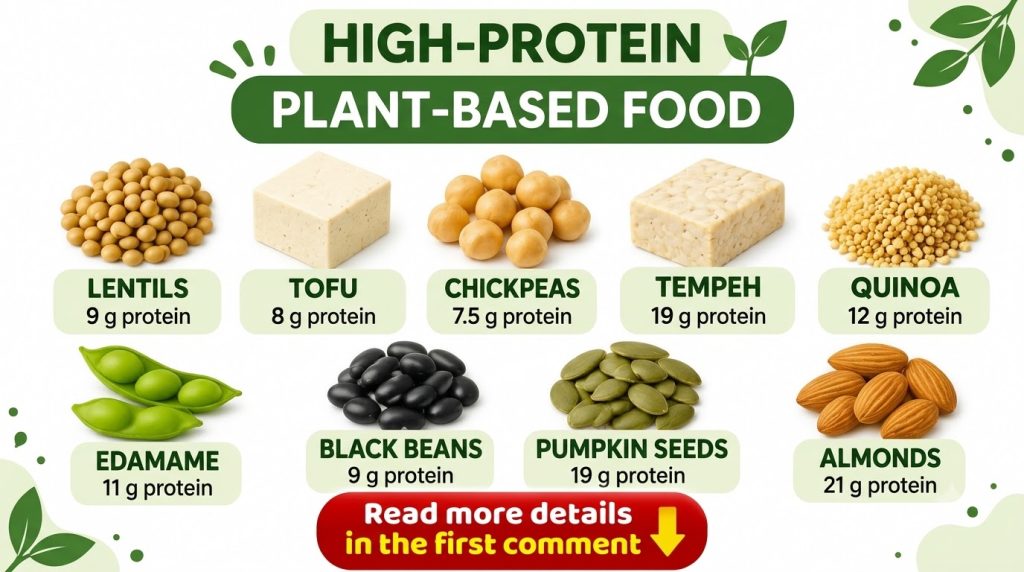
9 Plant-Based Protein Foods to Know
1. Lentils
Lentils cook quickly and work well in soups, stews, and salads. One cooked cup offers roughly 18 grams of protein along with plenty of fiber.
2. Chickpeas
Chickpeas are great roasted for a crunchy snack or blended into hummus. A cooked cup provides about 15 grams of protein.
3. Black Beans
Black beans fit well in tacos, burrito bowls, and rice dishes. One cooked cup offers around 15 grams of protein.
4. Edamame
Edamame are young soybeans that make a fresh, easy snack. One cup of shelled edamame provides roughly 17 grams of protein.
5. Tofu
Tofu is versatile and takes on the flavors of whatever you cook it with. A 3-ounce serving of firm tofu offers about 9 to 10 grams of protein, and the amount varies by brand and firmness.
6. Tempeh
Tempeh is made from fermented soybeans and has a firm, nutty texture. A 3-ounce serving offers roughly 15 grams of protein, and it holds up well in stir-fries and sandwiches.
7. Quinoa
Quinoa is a grain that cooks like rice. One cooked cup provides about 8 grams of protein and is a useful base for grain bowls.
8. Pumpkin Seeds
Pumpkin seeds add crunch to salads, oatmeal, and yogurt. One ounce offers roughly 8 to 9 grams of protein.
9. Almonds
Almonds are an easy snack and pair well with fruit. One ounce provides about 6 grams of protein, along with healthy fats.
Quick Protein Comparison
These numbers are approximate and can vary by brand, preparation, and portion size.
| Food | Typical Serving | Approx. Protein | Best Use |
|---|---|---|---|
| Lentils | 1 cup cooked | About 18 g | Soups and stews |
| Edamame | 1 cup shelled | About 17 g | Snacks and salads |
| Tempeh | 3 oz | About 15 g | Stir-fries and sandwiches |
| Chickpeas | 1 cup cooked | About 15 g | Roasting and hummus |
| Black Beans | 1 cup cooked | About 15 g | Tacos and bowls |
| Quinoa | 1 cup cooked | About 8 g | Grain bowls |
| Pumpkin Seeds | 1 oz | About 8 to 9 g | Toppings |
| Tofu | 3 oz firm | About 9 to 10 g | Scrambles and stir-fries |
| Almonds | 1 oz | About 6 g | Snacks |
Practical Ways to Add More Plant Protein
- Stir a half cup of lentils or beans into soups and pasta sauces.
- Swap half the ground meat in chili or tacos for black beans or crumbled tempeh.
- Start your morning with oatmeal topped with almonds and pumpkin seeds.
- Keep a bag of frozen edamame in the freezer for quick snacks.
- Build grain bowls with quinoa, roasted chickpeas, and fresh vegetables.
Tips for Getting the Most from Plant Proteins
- Combine different plant proteins across the day, such as beans at lunch and tofu at dinner.
- Rinse canned beans to reduce excess sodium.
- Cook big batches of lentils or quinoa and store them for the week.
- Pair protein with vegetables and whole grains for balanced meals.
Who Can Benefit Most
Plant-based proteins can suit many people, including those who want to eat more plants, reduce meat intake, or simply add more fiber to their diets. Athletes, older adults, and people with specific health conditions may have different protein needs, so it helps to check with a professional.
Frequently Asked Questions
Can I get enough protein without eating meat?
Yes, many people meet their protein needs with a varied plant-based diet. Eating a mix of beans, lentils, soy foods, grains, and nuts helps cover your needs.
Which plant protein has the most protein per serving?
Lentils and edamame are among the highest per cooked cup. Tempeh is also very high per ounce.
Is tofu a complete protein?
Yes, soy foods like tofu contain all nine essential amino acids. Eating a variety of plant foods across the day still matters for overall nutrition.
Are nuts and seeds good sources of protein?
They provide some protein, along with healthy fats and fiber. Because they are calorie dense, a small handful is a good portion.
Do I need to combine proteins at every meal?
No, you do not need to pair foods at each meal. Eating a variety of plant proteins over the course of the day is enough for most people.
How do I start eating more plant protein?
Begin with one or two simple swaps each week. Adding beans to a dish you already make is an easy first step.
Conclusion
Plant-based protein is flexible, affordable, and delicious. Lentils, chickpeas, tofu, quinoa, and nuts can all fit into your favorite meals. Try a new source this week, and explore more of our healthy food guides for easy ideas you can use at home.
This content is for educational purposes only and should not be considered medical advice. Consult a qualified healthcare professional for personalized dietary recommendations.