Seeds for Health: Small Foods With Big Nutrition Benefits
Meta Description: Learn how chia, flax, pumpkin, and sesame seeds fit into everyday meals, with simple serving ideas, nutrition basics, and easy ways to add more seeds.
Introduction
Seeds are small, but they pack a lot of nutrition into every spoonful. Chia, flax, pumpkin, and sesame seeds are among the most popular choices because they are easy to find, store well, and blend into almost any meal. Whether you enjoy cooking or just want a simple way to upgrade breakfast, seeds can be a helpful addition to your plate.
In this guide, you will learn what makes seeds nutritious, which ones are worth trying, and how to eat them in ways that taste good. You will also find practical tips for adding seeds to your routine without overhauling your whole diet.
Why Seeds Are Worth Adding to Your Diet
Seeds are generally rich in fiber, healthy fats, protein, and micronutrients such as magnesium and zinc. Because they are so concentrated, a small serving can make a meaningful contribution to your daily intake.
Research suggests that diets rich in whole foods, including seeds, are associated with better overall eating patterns. Seeds are not a magic solution, but they can be a smart part of a balanced plate.
Popular Seeds and What They Offer
| Seed | Approximate Serving | Key Nutrients | Easy Way to Eat |
|---|---|---|---|
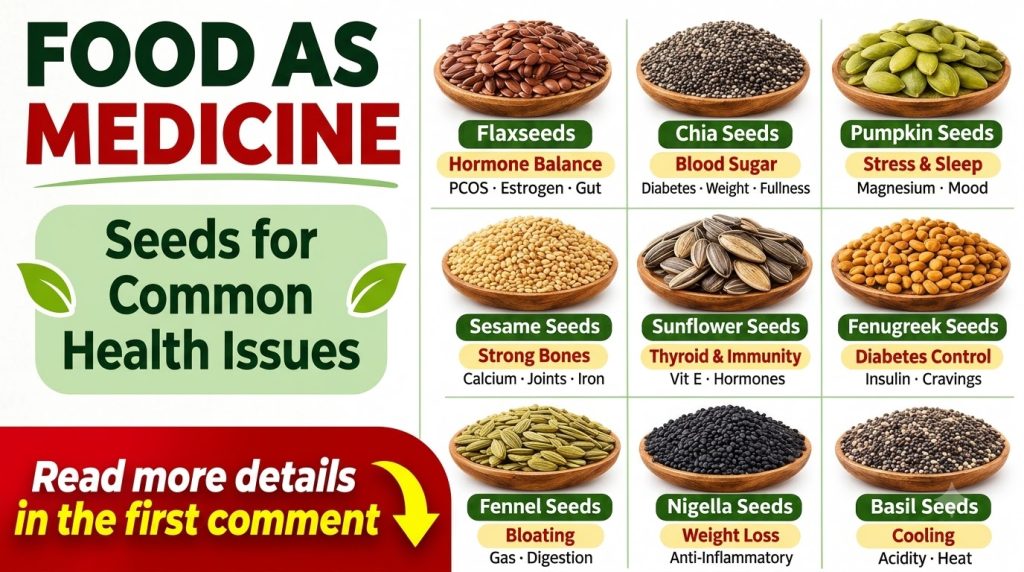
| Chia seeds | 1 tablespoon | Fiber, omega-3 fats, calcium | Stirred into yogurt or oatmeal |
| Ground flaxseed | 1 tablespoon | Fiber, omega-3 fats, lignans | Mixed into smoothies or baked goods |
| Pumpkin seeds | 1 ounce | Magnesium, zinc, iron | Sprinkled over salads or soups |
| Sesame seeds | 1 tablespoon | Calcium, copper, healthy fats | Toasted over stir-fries or rice bowls |
| Sunflower seeds | 1 ounce | Vitamin E, selenium, fiber | Added to trail mix or grain salads |
Values are approximate and vary by brand and serving size. Ground flaxseed is generally easier for the body to use than whole flaxseed, so grinding it is a helpful habit.
Chia Seeds
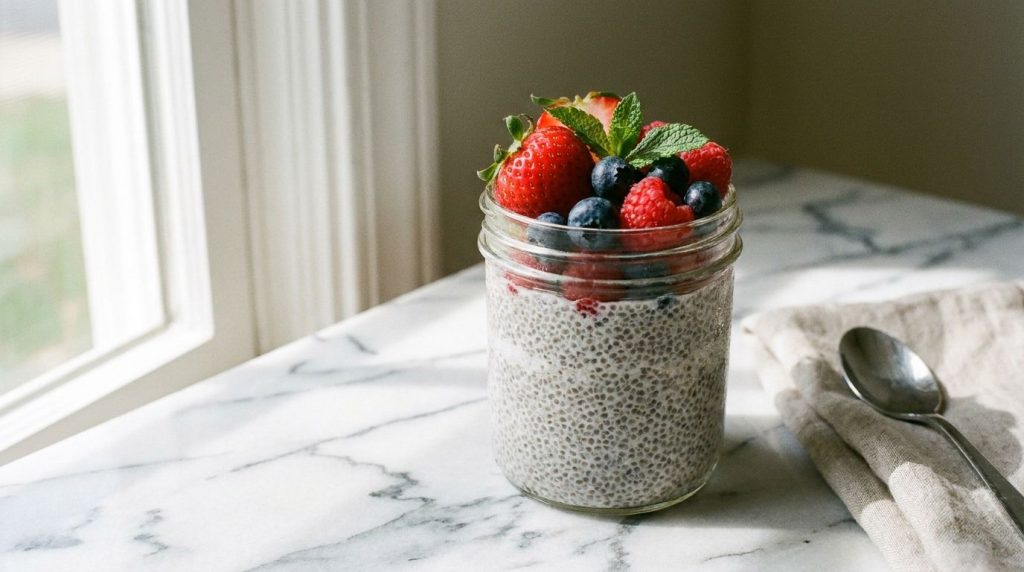
Chia seeds absorb liquid and form a gel, which makes them great for puddings and overnight oats. They are a good source of fiber and plant-based omega-3 fats.
Flaxseeds
Flaxseeds are another source of plant-based omega-3 fats and fiber. Store ground flaxseed in the refrigerator to help keep its fats fresh.
Pumpkin Seeds
Pumpkin seeds offer magnesium and zinc, both of which play roles in many body processes. Roast them lightly with a pinch of salt or your favorite spice for a crunchy snack.
Best Ways to Eat More Seeds
- Stir chia or ground flaxseed into oatmeal, yogurt, or smoothies.
- Sprinkle toasted pumpkin or sunflower seeds over salads and soups.
- Use sesame seeds to finish stir-fries, noodles, or roasted vegetables.
- Blend a spoonful of seeds into homemade granola or energy bites.
Potential Risks and Things to Keep in Mind
Seeds are high in calories, so portion size matters. Start with one tablespoon a day and adjust based on your needs. Drink plenty of water when eating high-fiber foods like chia and flax, since fiber works best with enough fluid. If you have a digestive condition, a seed allergy, or take medications, check with your healthcare provider before making big changes.
Practical Tips for Getting Started
- Keep a small jar of mixed seeds near your cooking area for quick sprinkling.
- Buy smaller quantities of ground flaxseed and store it in the fridge.
- Toast seeds in a dry pan for a few minutes to bring out their flavor.
- Replace some of the croutons or fried toppings on your salad with seeds.
Frequently Asked Questions
Are seeds good for everyone?
Most people can enjoy seeds as part of a balanced diet. However, people with allergies or certain digestive conditions should speak with a healthcare provider first.
Should I grind flaxseeds?
Yes, ground flaxseed is generally easier for your body to absorb than whole flaxseed. Grinding small batches keeps them fresher.
How many seeds should I eat in a day?
A common starting point is one to two tablespoons of seeds per day. Adjust based on your overall calorie needs and how your body responds.
Can I eat seeds every day?
Yes, many people eat seeds daily. Rotating between different types gives you a wider range of nutrients.
Do seeds help with weight management?
Seeds contain fiber and healthy fats that can help you feel full. They work best as part of a balanced eating plan rather than as a stand-alone solution.
Are roasted seeds as healthy as raw seeds?
Light roasting keeps most of the nutrition intact. Choose unsalted or lightly salted options and avoid heavily sweetened coated seeds.
Conclusion
Seeds are a simple, versatile way to add fiber, healthy fats, and minerals to your meals. Start with one or two types, try them in familiar dishes, and build from there. For more ideas, explore our guides on high-fiber breakfasts, easy healthy snacks, and smart pantry staples.
This content is for educational purposes only and should not be considered medical advice. Consult a qualified healthcare professional for personalized dietary recommendations.