Are you looking for natural ways to boost your energy levels and support your overall well-being? Look no further than Vitamin B2, also known as Riboflavin! This often-overlooked B vitamin is a true powerhouse, playing a vital role in keeping your body running smoothly. At Wellness Daily, we believe in understanding the ‘why’ and ‘how’ behind healthy living, and today we’re diving deep into the world of Vitamin B2.
From fueling your daily activities to contributing to healthy skin and sharp vision, Riboflavin is an essential nutrient you won’t want to miss. The good news is, it’s easily accessible through a variety of delicious and common foods. Let’s explore why Vitamin B2 is so important and how you can effortlessly incorporate it into your diet.
What is Vitamin B2 (Riboflavin)?
Vitamin B2, or Riboflavin, is one of eight B vitamins, all of which are crucial for our health. Unlike some other vitamins, B2 is water-soluble, meaning your body doesn’t store it in large amounts, and any excess is typically flushed out. This makes it important to consume B2 regularly through your diet.
Riboflavin is distinguished by its yellowish-orange color, which can be seen in some vitamin supplements. Its name, ‘flavin,’ comes from the Latin word ‘flavus,’ meaning yellow. But beyond its color, what exactly does it do?
The Power of Vitamin B2: Key Benefits
Vitamin B2 is involved in numerous fundamental bodily processes, making it a truly essential nutrient. Here are some of its primary benefits:
Energy Production and Metabolism
- Fuel for Your Body: Perhaps the most well-known role of Vitamin B2 is its involvement in energy metabolism. It helps convert the food you eat (carbohydrates, fats, and proteins) into adenosine triphosphate (ATP), which is the primary form of energy used by your cells. Without enough B2, your body can’t efficiently produce the energy it needs, which may lead to feelings of fatigue.
- Enzyme Support: Riboflavin is a key component of two major coenzymes, flavin mononucleotide (FMN) and flavin adenine dinucleotide (FAD). These coenzymes are critical for various enzymatic reactions throughout the body, particularly those involved in energy generation.
Supporting Healthy Skin
Research suggests that Vitamin B2 may play a role in maintaining healthy skin. It’s involved in tissue repair and cell growth, which are crucial for skin integrity. Adequate Riboflavin levels are associated with normal skin cell function and may help support the skin’s natural barrier and overall health.
Promoting Good Vision
Riboflavin is also important for healthy vision. It contributes to the protection of the eyes from oxidative stress and is involved in the normal function of the cornea and retina. Studies indicate that sufficient intake of B2 is associated with supporting long-term eye health.
Top Vitamin B2 Powerhouse Foods
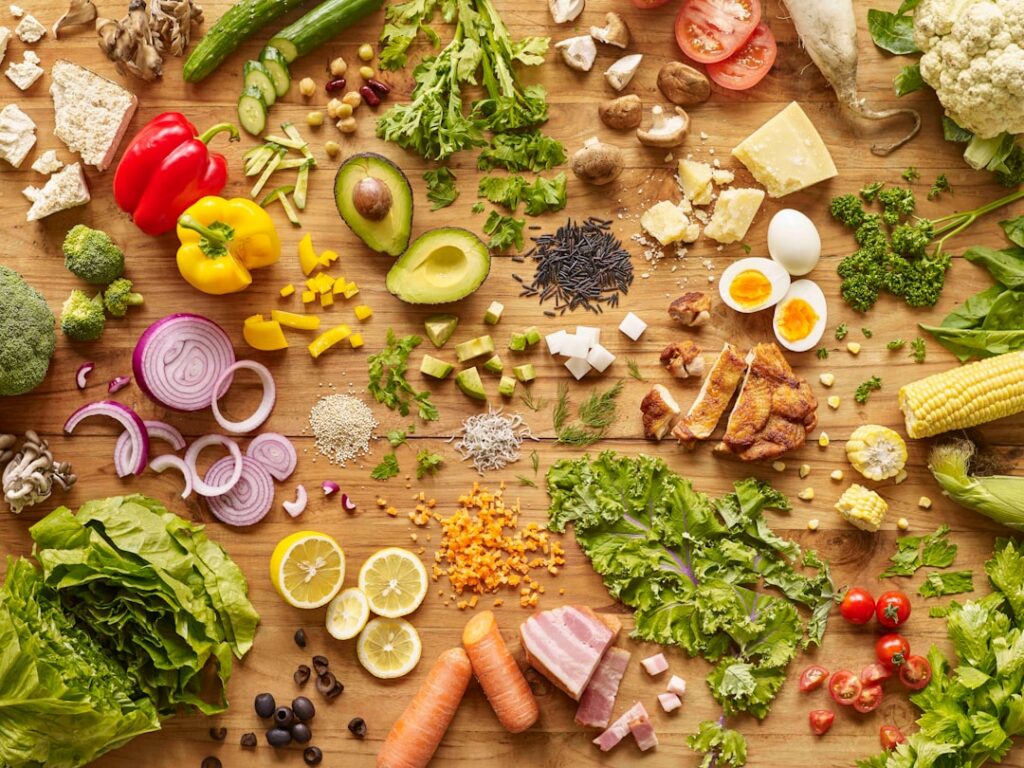
Incorporating more Vitamin B2 into your diet is simpler than you might think, as many everyday foods are rich in this essential nutrient. Here are some of the best sources:
- Leafy Green Vegetables: Spinach, kale, broccoli, and asparagus are excellent plant-based sources of Riboflavin. These vibrant greens also offer a host of other vitamins and minerals.
- Eggs: A versatile and delicious food, eggs are a fantastic source of Vitamin B2, particularly in the yolk.
- Fish: Fatty fish like salmon, mackerel, and trout provide a good amount of Riboflavin, along with beneficial omega-3 fatty acids.
- Dairy Products: Milk, yogurt, and cheese are significant sources of B2. A glass of milk or a serving of yogurt can easily contribute to your daily intake.
- Lean Meats: Beef, pork, and chicken (especially organ meats like liver) contain good levels of Vitamin B2.
- Legumes: Lentils, chickpeas, and beans offer a plant-based source of Riboflavin, along with fiber and protein.
- Fortified Cereals: Many breakfast cereals are fortified with B vitamins, including Riboflavin, making them an easy way to boost your intake, especially for breakfast.
- Mushrooms: Certain mushrooms, like crimini and portobello, also contain notable amounts of Vitamin B2.
Simple Ways to Boost Your B2 Intake
- Start your day with a yogurt parfait topped with berries and fortified cereal.
- Add a handful of spinach or kale to your morning smoothie or omelet.
- Include fish like salmon in your dinner rotation at least twice a week.
- Snack on a hard-boiled egg or a small portion of cheese.
- Incorporate lentils or chickpeas into soups, salads, or stews.
Remember, a balanced and varied diet is key to ensuring you get all the essential nutrients your body needs, including Vitamin B2.
Important Note
This content is for informational purposes only and is not intended to be a substitute for professional medical advice, diagnosis, or treatment. Always seek the advice of your physician or other qualified health provider with any questions you may have regarding a medical condition.
We’d love to hear from you! What are your favorite Vitamin B2-rich foods that help fuel your day? Share your thoughts in the comments below!