Have you ever noticed how vibrant, colorful foods often make you feel better just by looking at them? Nature uses color to tell us something powerful — each shade in fruits and vegetables signals a unique set of nutrients and healing benefits.
The Plant Color Code is a simple way to guide your diet: eat the rainbow, and you’ll nourish every part of your body.
Why Color Matters in Nutrition
The pigments that give fruits and vegetables their color are bioactive compounds.
These compounds act as antioxidants, anti-inflammatory agents, enzyme supporters, and cell protectors.
Eating one color repeatedly is helpful.
Eating all colors consistently is transformative.
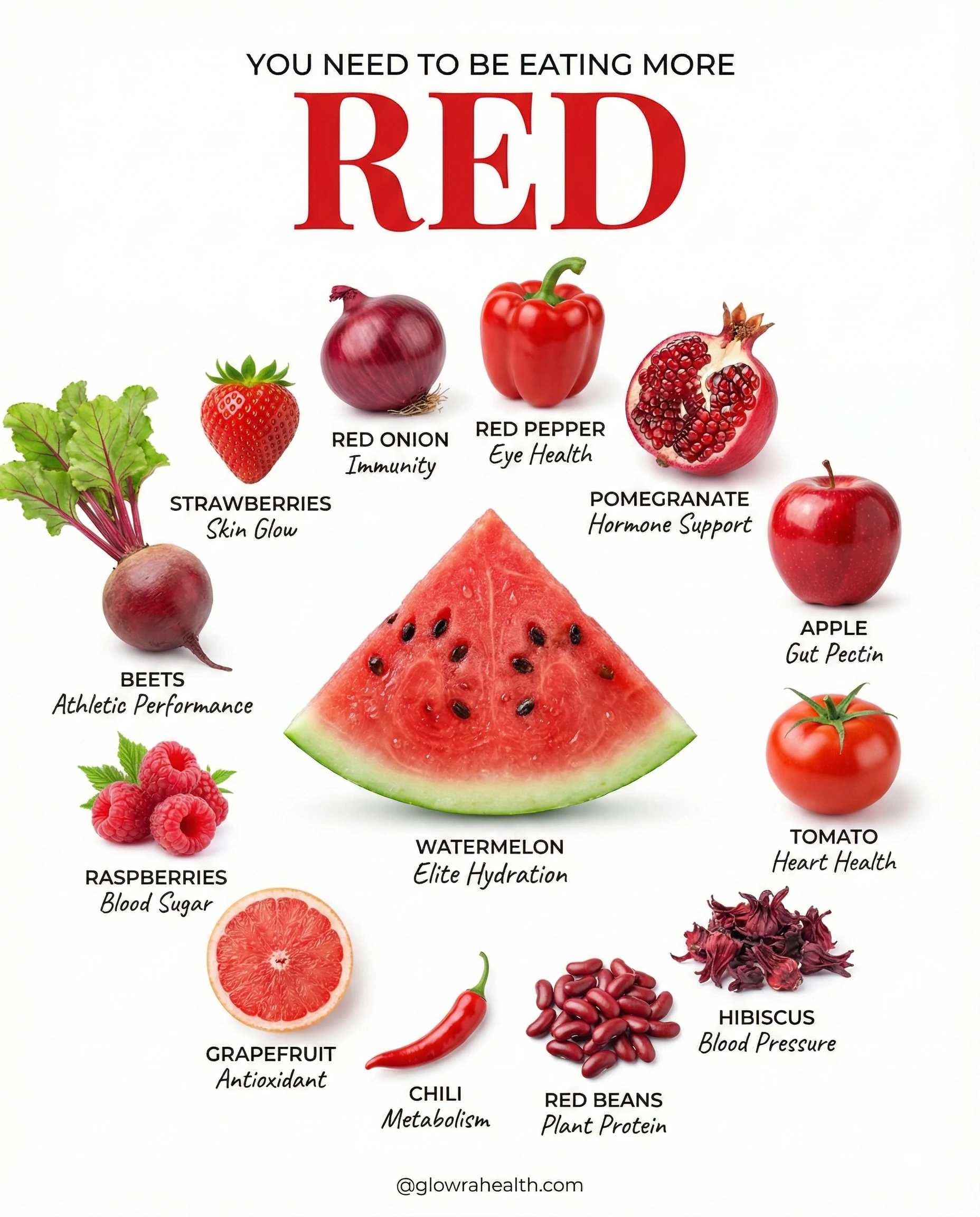
1. Red Foods: Heart Health, Hormones, and Hydration
Red foods are associated with lycopene, quercetin, vitamin C, and nitrates.
Why they work:
Lycopene supports cardiovascular health. Natural nitrates in beets improve blood flow. Polyphenols help regulate blood sugar and inflammation.
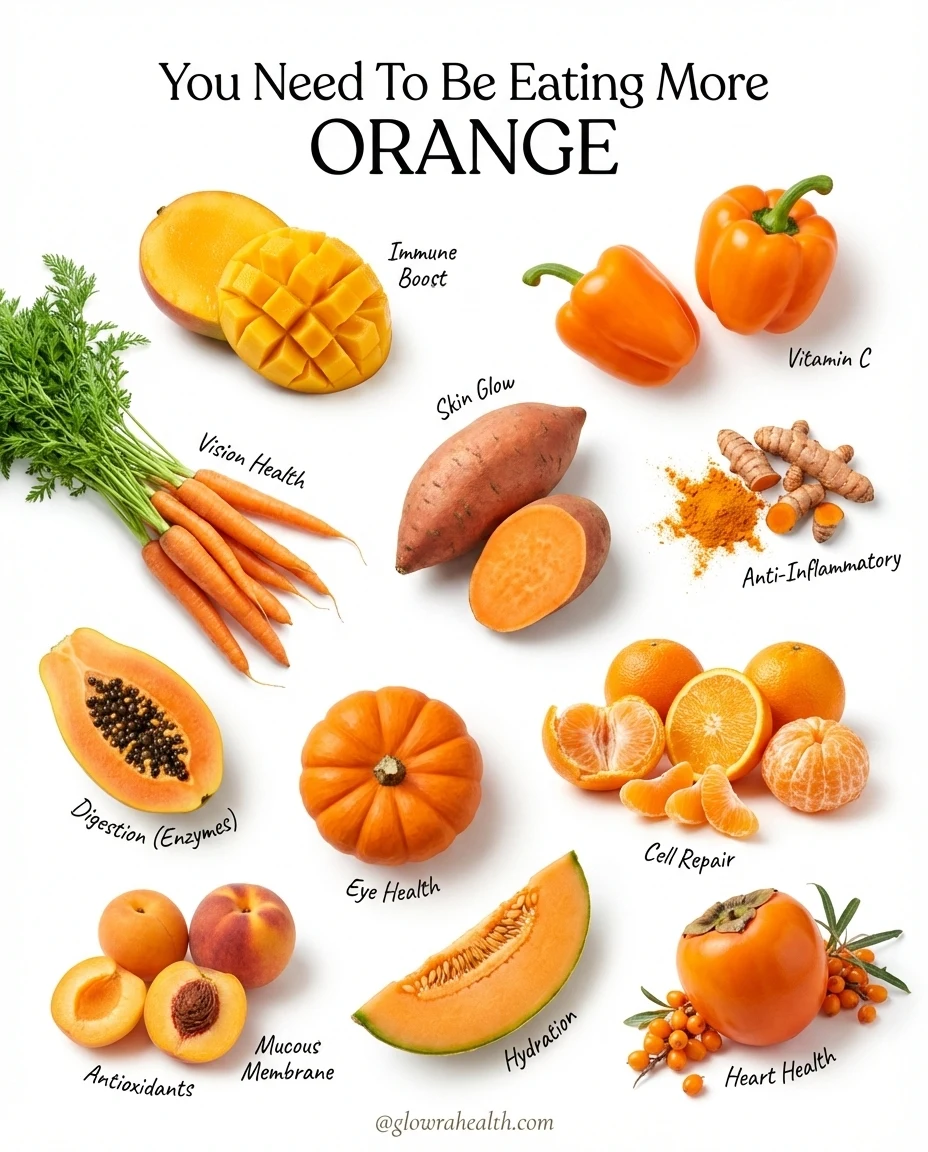
2. Orange Foods: Vision, Skin Glow, and Immune Defense
Orange foods are known for beta-carotene and vitamin C, which convert into vitamin A in the body.
Why they work:
Beta-carotene supports vision, skin renewal, and immune signaling. Enzymes in papaya aid digestion, while curcumin helps calm chronic inflammation.
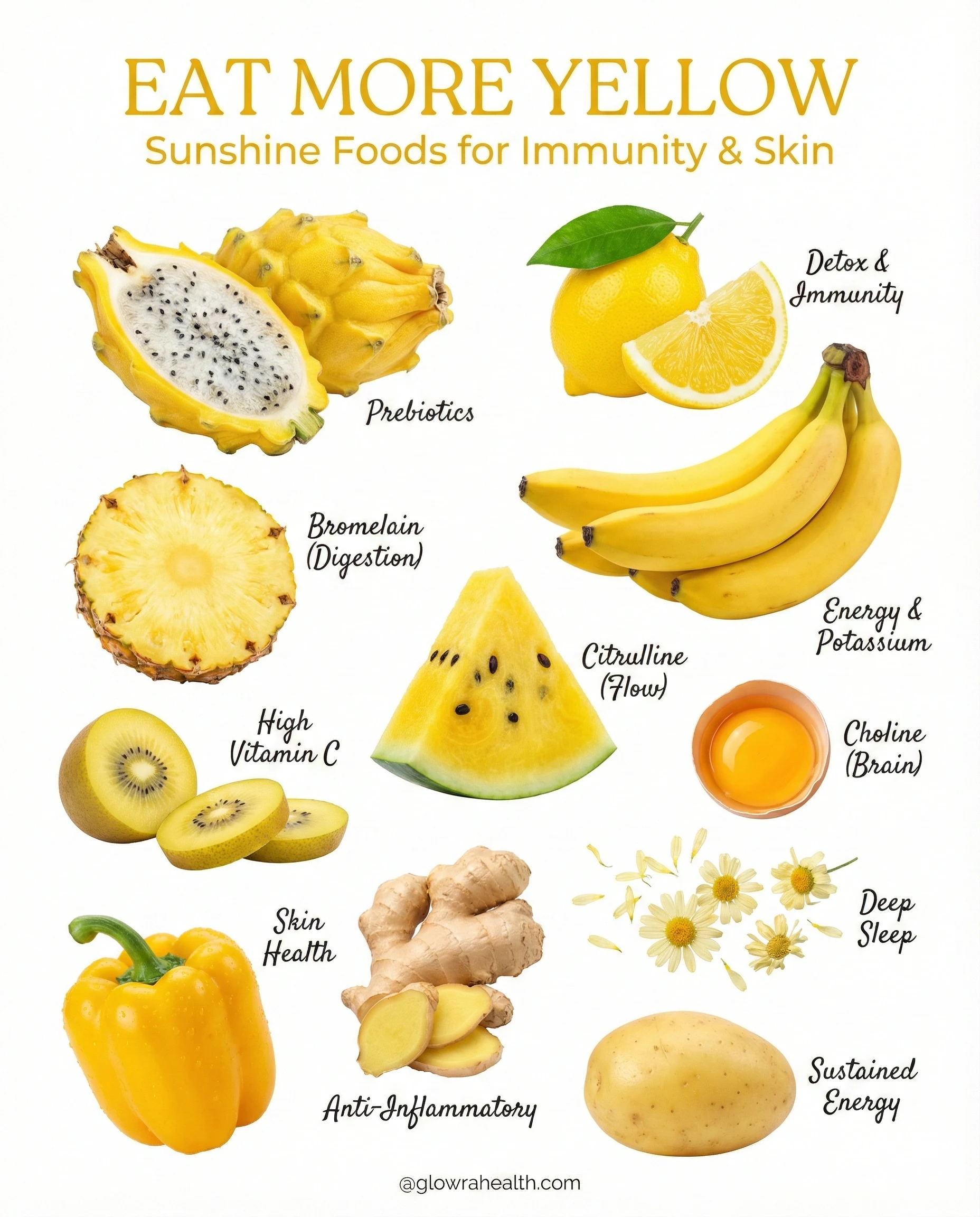
3. Yellow – For Immunity & Energy
Yellow fruits and vegetables bring warmth and vitality. They are rich in carotenoids, vitamin C, potassium, and digestive enzymes.
Why they work:
Carotenoids help protect skin from oxidative stress. Bromelain and ginger support protein digestion and reduce inflammation. Potassium and citrulline improve circulation and muscle function.
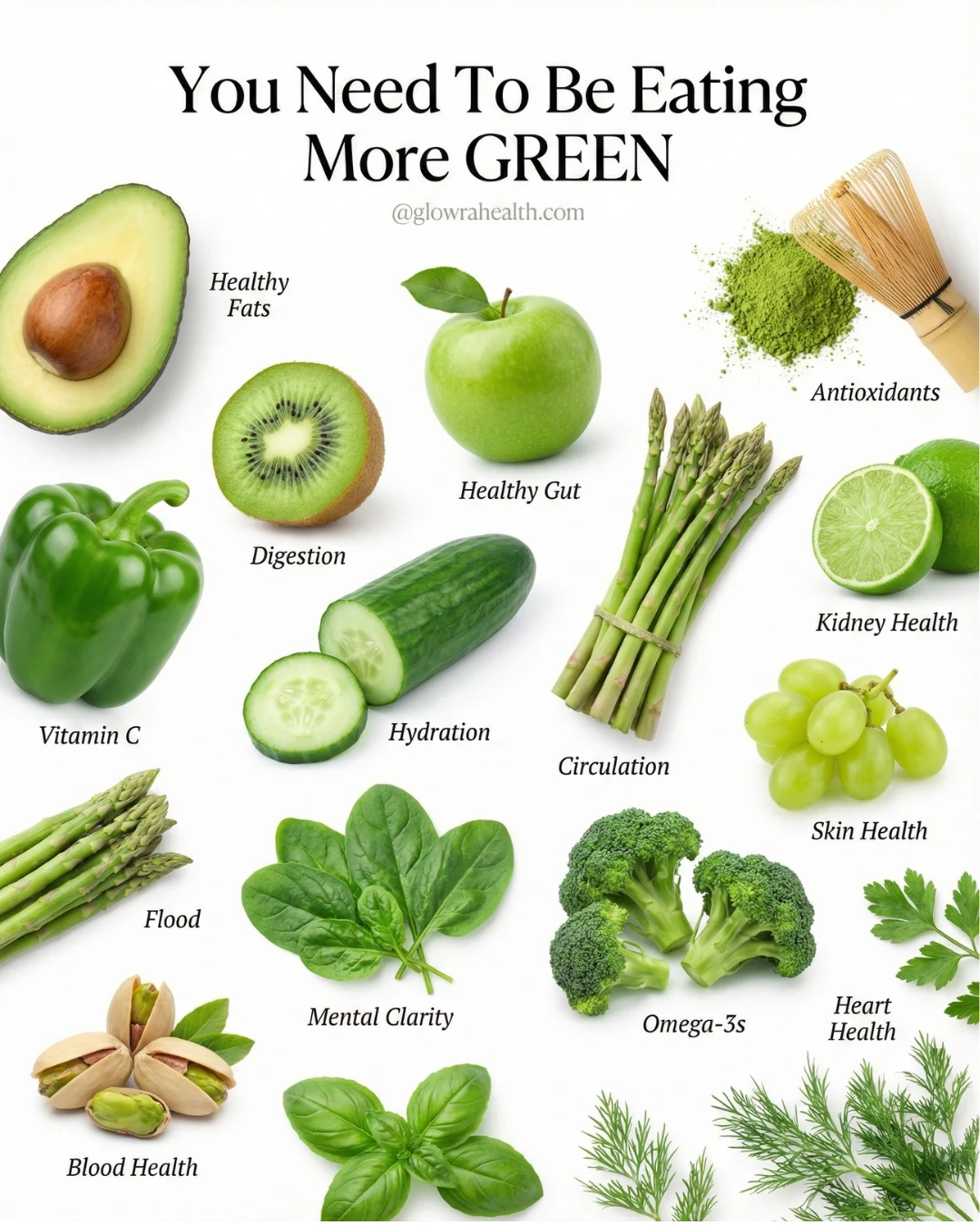
4. Green Foods: Detoxification, Circulation, and Mental Clarity
Green foods are packed with chlorophyll, folate, vitamin K, magnesium, and antioxidants.
Why they work:
Chlorophyll supports detox pathways in the liver. Magnesium and folate help nervous system balance, while fiber feeds beneficial gut bacteria.
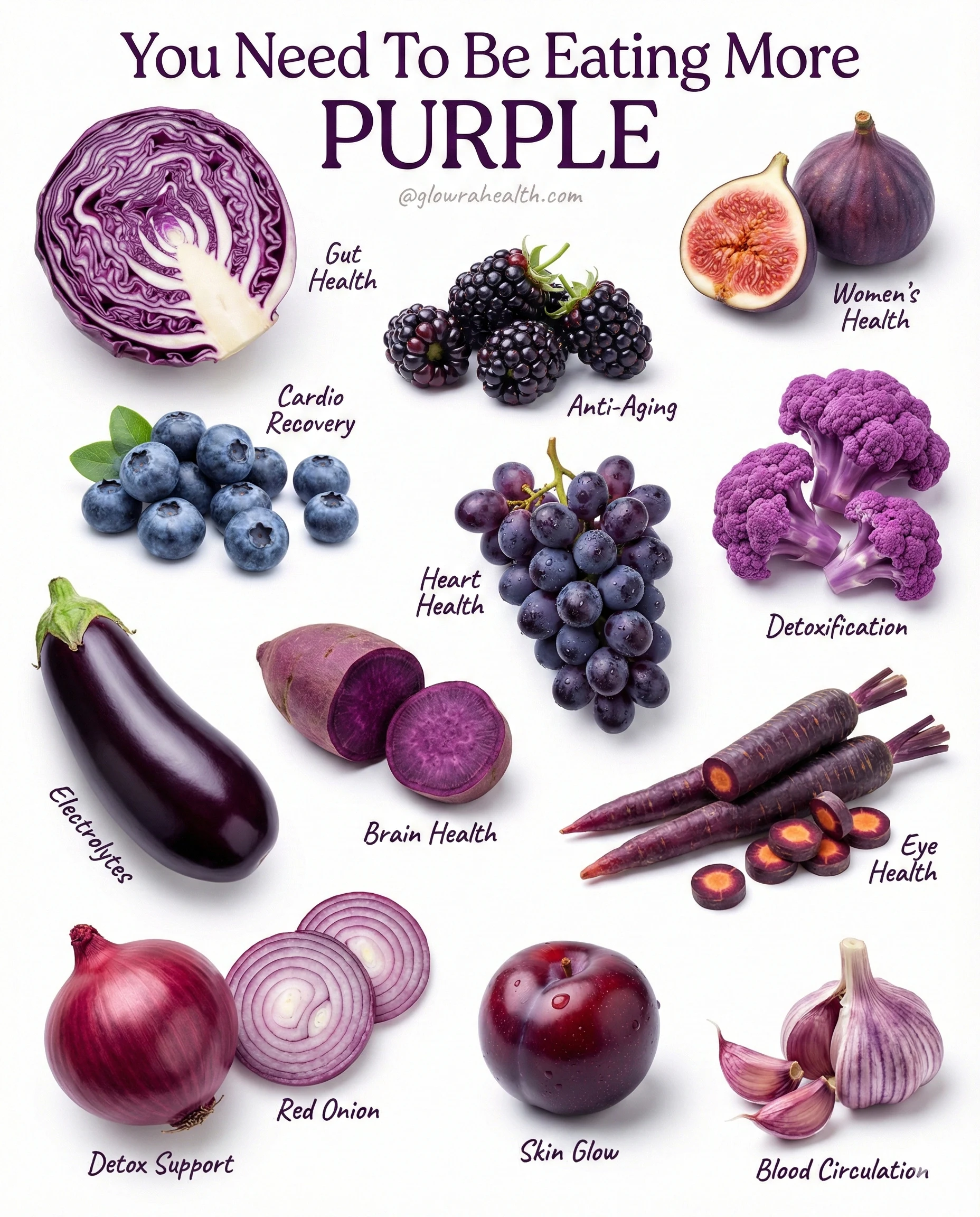
5. Purple Foods: Anti-Aging, Brain Health, and Circulation
Purple foods are rich in anthocyanins, powerful antioxidants linked to longevity and cognitive health.
Why they work:
Anthocyanins protect blood vessels, reduce oxidative stress, and support memory and cellular repair.
6. White & Brown – For Gut Balance & Anti-Inflammation
White and brown foods may look simple, but they’re deeply healing. They contain prebiotics and anti-inflammatory compounds that promote gut health and strengthen immunity.
Think of blueberries, blackberries, purple cabbage, eggplants, plums, black grapes, purple sweet potatoes, or elderberries.
How to Build a Daily “Rainbow Plate”
Aim for at least 3–4 different colors per meal.
Mix fruits, vegetables, herbs, and spices instead of relying on one food source.
A simple example:
-
Green leafy base
-
Orange or yellow vegetable
-
Red or purple fruit
-
Healthy fat for absorption
When You’ll Notice Changes
-
Digestion and energy: 3–7 days
-
Skin clarity and hydration: 2–4 weeks
-
Immune resilience and circulation: 4–8 weeks with consistency
Final Takeaway
Eating more color is one of the simplest, most science-supported ways to nourish your body.
Each color feeds a different system, and together they create balance, resilience, and long-term health.
Save this guide if you want to build healthier meals effortlessly.
Share it with someone who needs a reminder to eat the rainbow today. 🌈