When you think of protein, chicken or tofu probably jump to mind. But some of the best secret protein sources are vegetables – especially if you want lighter meals, better energy, or more variety without always relying on meat. The science is clear: many vegetables offer more protein per cup than most people expect, and when combined, they can quietly boost your daily totals.
Top Protein-Packed Vegetables (Per Cooked Cup*)
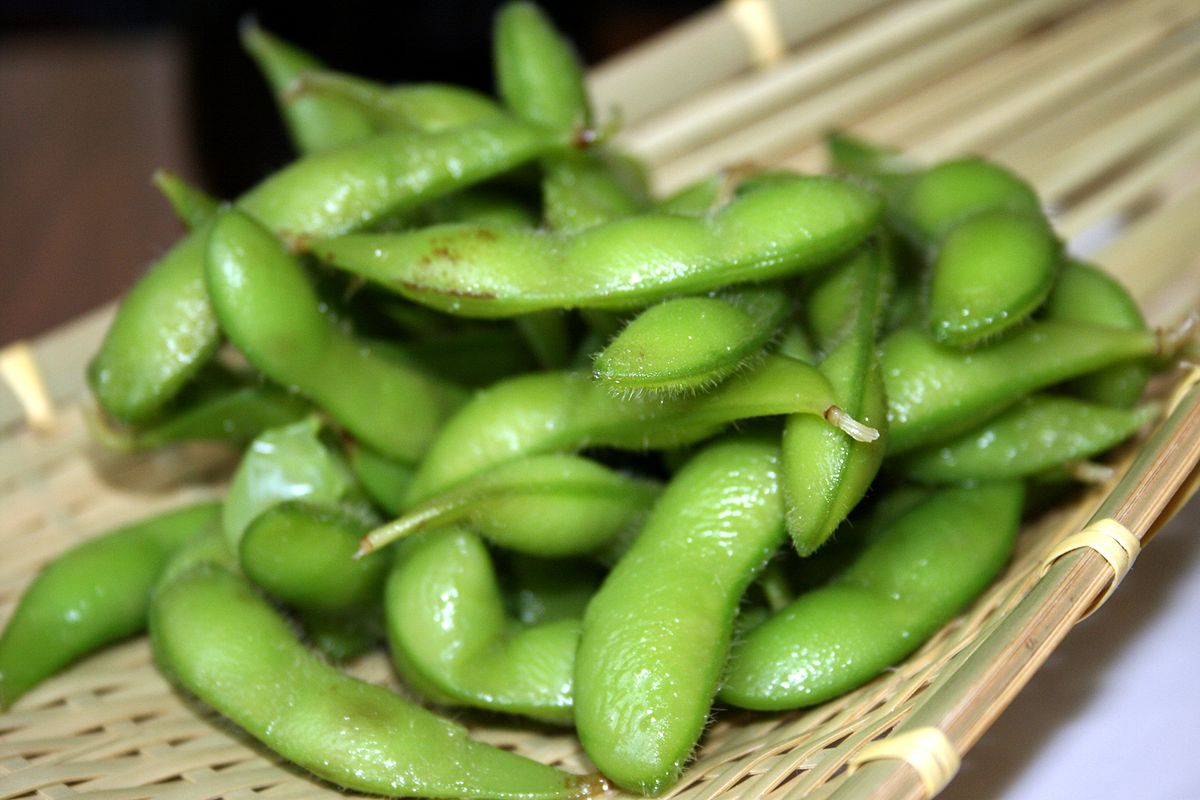
1. Edamame (Soybeans): 18g
The king of plant protein—perfect for snacking, salads, stir-fries, or even blended into dips.
2. Green Peas: 8–9g
Tiny but mighty, peas work in rice, pasta, soups, or even mashed with mint for a fresh twist.
3. Spinach: 5–6g
Raw spinach seems light on protein, but when cooked, its protein density soars. Add to omelets, soups, or sauté with garlic.

4. Brussels Sprouts: 4–5g
Roasted, shaved into salads, or tossed in noodle bowls, Brussels sprouts deliver both protein and powerful plant nutrients.
5. Broccoli: 4–5g
This cruciferous classic adds protein, fiber, and antioxidants. Steam, roast, or toss florets into grains and veggie bowls.
6. Artichokes: 4–5g
High in both protein and fiber to keep you full and support digestion. Great roasted, grilled, or stirred into pasta.
:max_bytes(150000):strip_icc()/GettyImages-157315654-2b78b5edd25e414ebfa0301aa676018e.jpg)
7. Asparagus: 4g
A spring favorite for grilling or adding to egg dishes, asparagus is loaded with protein and folate.
8. Potatoes: 4g (per medium, with skin)
Often overlooked, potatoes are a sneaky source of protein, potassium, and filling carbs.
9. Kale: 2–3g
More than just a salad base—kale is rich in protein, vitamin K, and iron, whether raw, cooked, or added to soups.
10. Mushrooms: 2–3g
Earthy, versatile, and packed with flavor and minerals, mushrooms round out any meal’s protein count.
Values may vary by preparation and variety. Combining veggies delivers even more total protein.
Why Veggie Protein Matters
-
Lighter Digestion: Plant proteins are generally easier on the stomach and help balance fiber.
-
Nutrient Density: These veggies deliver antioxidants, vitamins, and minerals alongside protein.
-
Balanced Energy: High-protein veggies help steady blood sugar, curb cravings, and support muscle function.
Effortless Ways to Add Vegetable Protein Every Day
-
Toss peas or broccoli into any rice, noodle, or pasta bowl.
-
Swap out regular lettuce for baby spinach or kale in salads for extra protein punch.
-
Stir mushrooms, artichokes, or Brussels sprouts into morning eggs or a tofu scramble.
-
Use cooked potatoes or sweet potatoes as bases, topping with greens or legumes for a “power bowl.”
-
Try a roasted veggie medley for a filling side—protein adds up quickly when you mix several!
These vegetables won’t always replace your main protein, but together, they help make daily intake easier, lighter, and full of variety. Whether you’re plant-based or just want more balance, let these unsung protein heroes round out your next meal.
For more ideas on boosting protein and nutrition with simple, everyday foods, check out our full recipe and meal planning guide.