If you constantly feel “foggy,” unfocused, or mentally slow, it’s easy to blame stress or lack of sleep. But there is another piece almost everyone overlooks: nutrition.
Your brain runs on very specific inputs — amino acids to build neurotransmitters, antioxidants to calm inflammation, and steady blood sugar to keep neurons firing smoothly. When those are missing, even a full night’s sleep can still leave you feeling dull.
This guide breaks down 10 everyday foods that support faster thinking, better focus, and cleaner energy — often within 30–60 minutes of eating them.
Why Nutrients Matter for Brain Fog
Brain fog is often linked to:
-
Low intake of key nutrients like B vitamins, choline, omega‑3s, iron, magnesium, and zinc
-
Unstable blood sugar from refined carbs or long gaps between meals
-
Oxidative stress and inflammation affecting brain cells
The good news: a few simple food choices can make a noticeable difference in how clear and focused you feel.
1. Eggs: Fast Fuel for Focus
Eggs are one of the richest sources of choline, the building block of acetylcholine — a neurotransmitter crucial for attention, learning, and memory.
Because choline converts relatively quickly, many people notice they feel more “switched on” and mentally present after an egg-based breakfast.
Best way to use it:
-
Scrambled, boiled, or poached eggs in the morning
-
Combined with vegetables for extra fiber and antioxidants
2. Blueberries: Better Blood Flow to the Brain
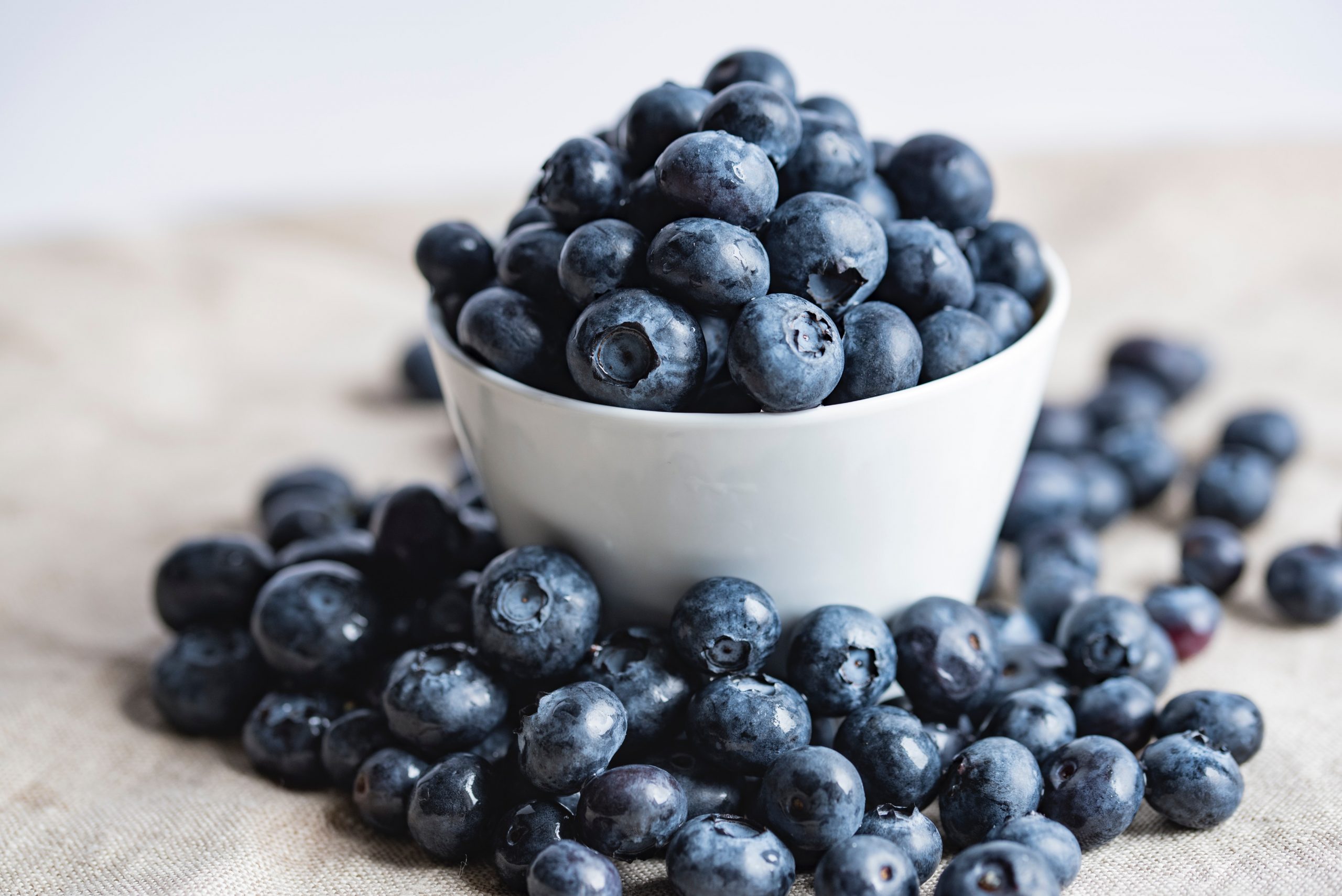
Blueberries are packed with anthocyanins, plant compounds that support blood flow to brain tissue and help protect neurons from oxidative stress.
In human studies, regular blueberry intake has been linked to improved reaction time, sharper focus, and reduced mental fatigue.
Ideas:
-
Add a small handful to yogurt, oats, or smoothies
-
Use as a mid-morning snack instead of sugary treats
3. Nuts (Walnuts, Almonds): Stable Brain Energy
Nuts provide:
-
Healthy fats to nourish brain cell membranes
-
Magnesium to support calm, stable nerve signaling
-
Vitamin E for antioxidant protection
This combo helps reduce jitteriness and gives more sustained mental energy compared with high-sugar snacks.
How to use:
-
1 small handful (about 20–30 g) as a snack
-
Sprinkle on oatmeal or salads
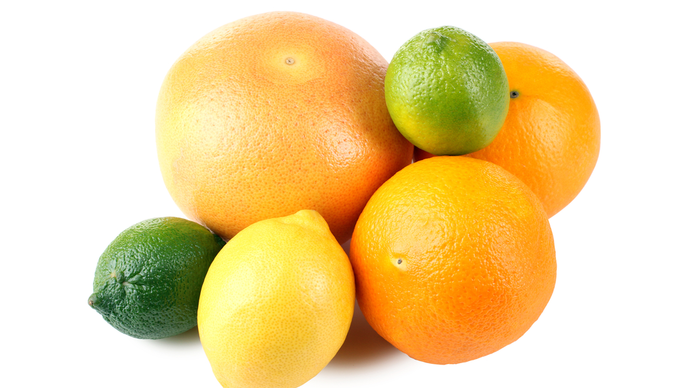
4. Citrus Fruits: Vitamin C for Clarity
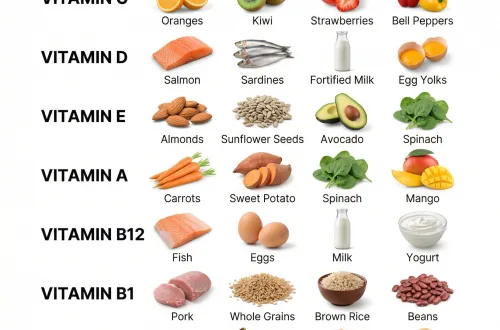
Oranges, lemons, and other citrus fruits are rich in vitamin C, which:
-
Supports the production of neurotransmitters involved in mood and focus
-
Protects brain cells from free radical damage
Because vitamin C is water‑soluble and not stored well, daily intake really matters for ongoing mental clarity.
Simple options:
-
Orange with breakfast
-
Lemon water alongside a meal
5. Green Tea: Calm, Clean Focus
Green tea contains two key compounds:
-
Caffeine, which increases alertness
-
L‑theanine, an amino acid that promotes relaxed focus
Together, they’re known for improving attention and working memory without the edgy feeling some people get from coffee.
When to drink:
-
Late morning or early afternoon
-
Before focused work, study, or reading
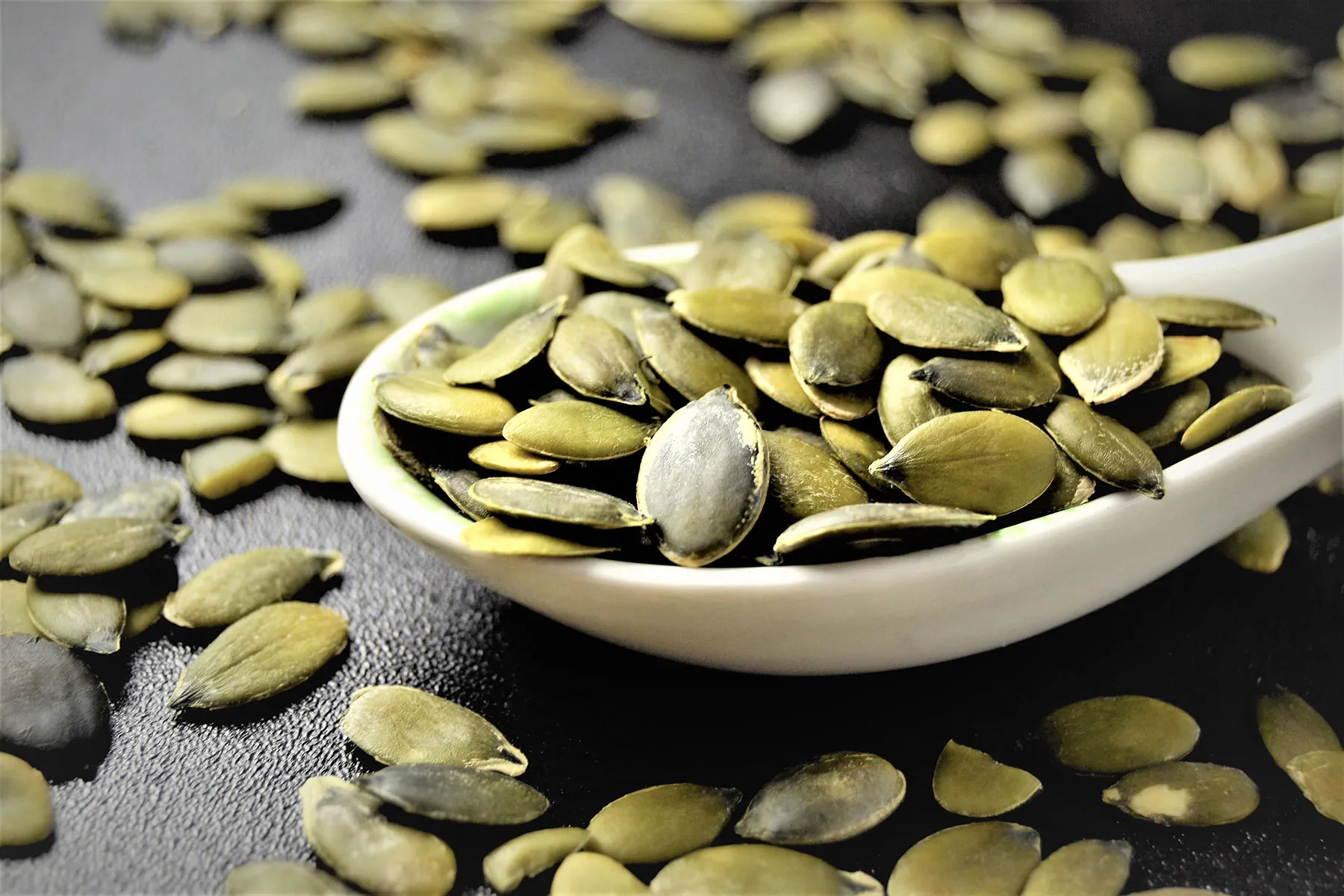
6. Pumpkin Seeds: Zinc for Sharp Thinking
Pumpkin seeds are rich in:
-
Zinc, important for memory and decision-making
-
Magnesium, supportive for relaxation and nerve function
Even small amounts can help support neurotransmitter activity and cognitive performance.
How to add:
-
1–2 tablespoons on yogurt, salads, or porridge
-
Mix into trail mix with nuts and dried fruit (in moderation)
7. Greek Yogurt: Steady Blood Sugar = Steady Focus
Your brain is very sensitive to blood sugar swings. Greek yogurt is high in protein, which:
-
Slows down carbohydrate absorption
-
Keeps blood sugar and energy levels more stable
This helps prevent the “crash” that often shows up as sudden brain fog.
Best use:
-
As a breakfast base with fruit and seeds
-
As an afternoon snack instead of sugary drinks or pastries

8. Oats: Long-Lasting Mental Energy
Oats contain beta‑glucan, a soluble fiber that slows glucose release into the bloodstream.
The result is:
-
A smoother energy curve
-
Better concentration for 2–3 hours after eating
Great options:
-
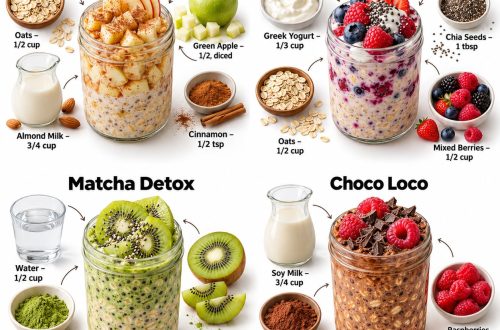
Overnight oats with blueberries and nuts
-
Warm porridge with cinnamon and a little honey
9. Spinach: Oxygen Supply for the Brain
Spinach is rich in:
-
Folate
-
Iron
-
Magnesium
Iron and folate support red blood cell formation and oxygen delivery to the brain. If you’re running low, even a small boost can improve alertness and reduce that “heavy head” feeling.
How to add:
-
In omelets, smoothies, or stir-fries
-
As a quick side salad with olive oil and lemon
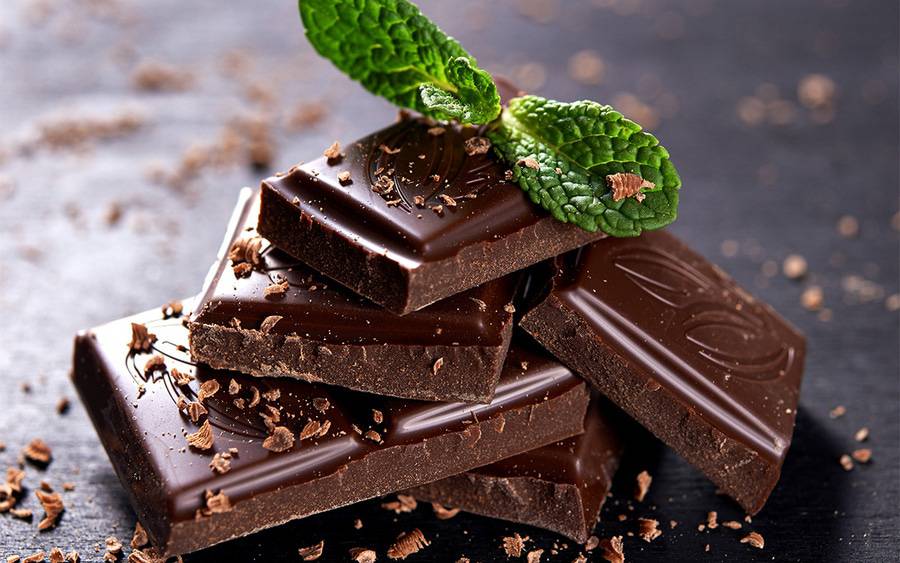
10. Dark Chocolate: Small Treat, Real Effect
High‑cocoa dark chocolate (around 70% or higher) provides:
-
Flavanols that support blood flow to key brain areas
-
A mild caffeine boost and mood‑lifting effects
In small portions, it can increase alertness and focus without overwhelming your system.
How to enjoy:
-
1–2 small squares with green tea
-
As a mid-afternoon “focus snack”
When to Eat These Foods for Maximum Focus
To feel a difference within 30–60 minutes, timing matters:
-
Mid-morning (9–11 a.m.): to avoid the late-morning slump
-
30–60 minutes before deep work or studying
-
After lunch, if you tend to feel heavy or sleepy
Smart combinations:
-
Greek yogurt + blueberries + pumpkin seeds
-
Oats + nuts + citrus on the side
-
Green tea + a couple of squares of dark chocolate
These pairings give you protein, fiber, healthy fats, and antioxidants in one go — exactly what your brain needs to clear the fog.