Blood sugar spikes don’t come only from desserts. They also come from timing, lack of fiber, hidden inflammation, and how foods interact with your gut and hormones.
Some foods slow glucose absorption. Others improve insulin sensitivity. A few even act in insulin-like ways in the body. Below is a breakdown of 14 foods that support more stable blood sugar and why they work.
1. Bitter Melon: Nature’s Insulin Mimic
Bitter melon contains compounds like charantin and polypeptide‑p that act in an insulin‑like way, helping lower fasting glucose and reduce post‑meal spikes.
Used regularly, it’s considered one of the most powerful natural “insulin-mimicking” plants.
2. Pumpkin: Gentle Carbs, Strong Fiber
Pumpkin is rich in soluble fiber and carotenoids. Its fiber slows stomach emptying, helping glucose enter the bloodstream more gradually.
Best choice: boiled or steamed pumpkin; heavy roasting with sugar or oil can increase its glycemic impact.
3. Carrots: Sweet but Low Impact
Despite their natural sweetness, carrots have a low glycemic load thanks to their fiber structure.
Fun twist: lightly cooked carrots can be easier on blood sugar than large amounts of raw, crunchy carrots eaten quickly.

4. Broccoli (and Broccoli Sprouts)
Broccoli contains sulforaphane, a compound that supports insulin sensitivity and liver detox — both key for glucose control.
Broccoli sprouts can have 20–30 times more sulforaphane than mature broccoli, making them a concentrated ally for metabolic health.
5. Flaxseeds: Fiber + Hormone Support
Flaxseeds are rich in soluble fiber and lignans that slow starch digestion and help flatten glucose curves.
They also help lower inflammation, which is strongly linked to insulin resistance. Always grind flaxseeds fresh for better absorption.
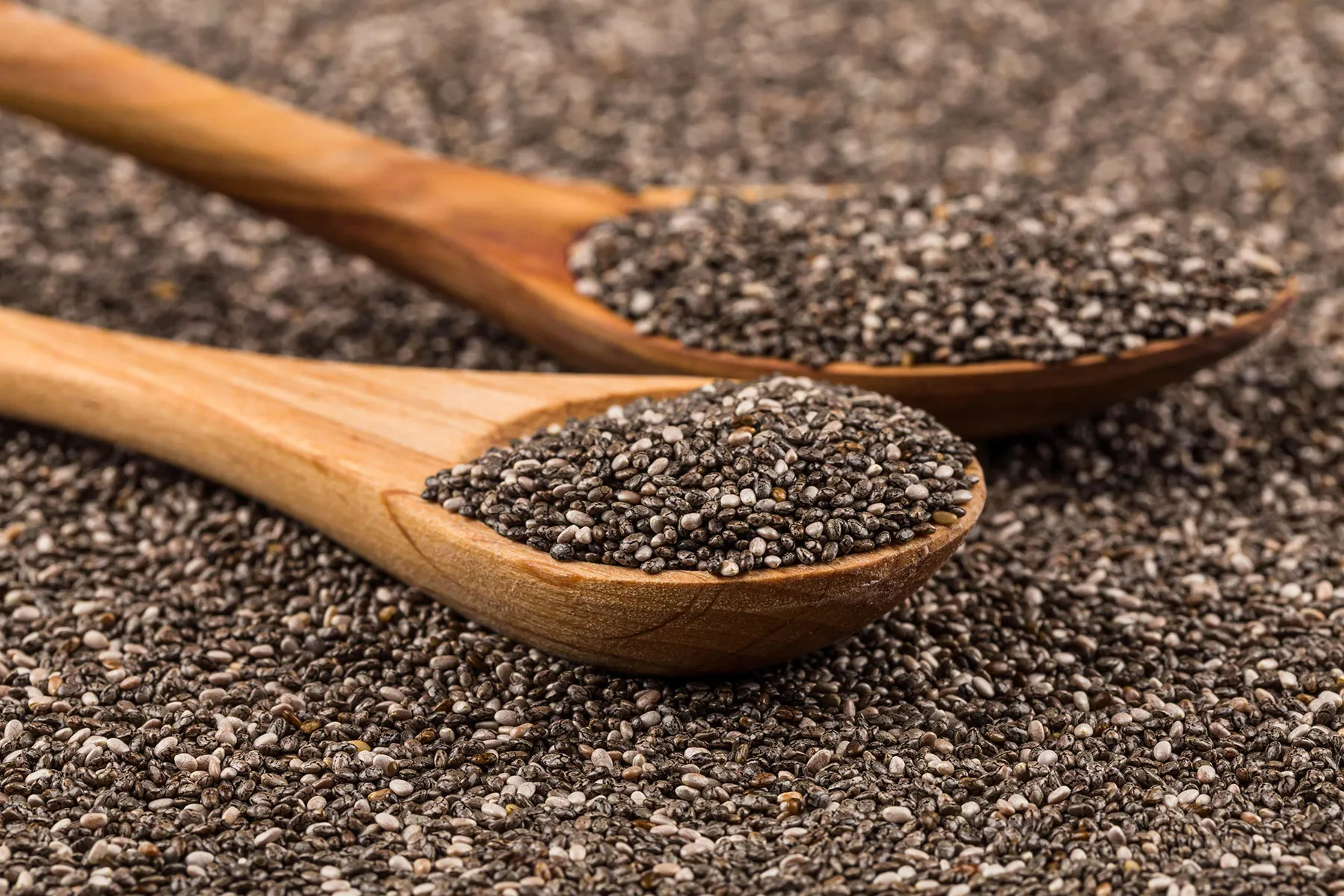
6. Chia Seeds: Natural Glucose “Brake”
Chia seeds form a gel in the gut that slows carbohydrate absorption and blunts sugar spikes.
Their omega‑3 fats also support insulin sensitivity, making chia an ideal choice for breakfast or pre-carb meals.
7. Garlic: Better Insulin Response
Garlic supports pancreatic beta‑cell function, helping your body release insulin more effectively.
It also benefits blood vessels, which improves how glucose and insulin are delivered to cells. Raw or lightly crushed garlic offers the strongest effect.
8. Cinnamon: Insulin Receptors “Turned On”
Cinnamon, especially Ceylon cinnamon, contains cinnamaldehyde and other compounds that improve insulin receptor signaling.
Regular intake (about 1–2 g/day) has been linked to lower fasting glucose and better HbA1c in some people.
9. Sweet Potatoes: Resistant Starch for the Win
Sweet potatoes are lower glycemic than many white starches and provide resistant starch when cooked, cooled, and reheated.
Resistant starch feeds beneficial gut bacteria, which is associated with improved insulin sensitivity over time.
10. Apples: Fiber Shield for Carbs
Apples contain pectin, a viscous fiber that slows glucose entry into the bloodstream and feeds gut microbes that help regulate inflammation.
Polyphenols in the skin also support better insulin signaling, so eating the peel is a bonus.
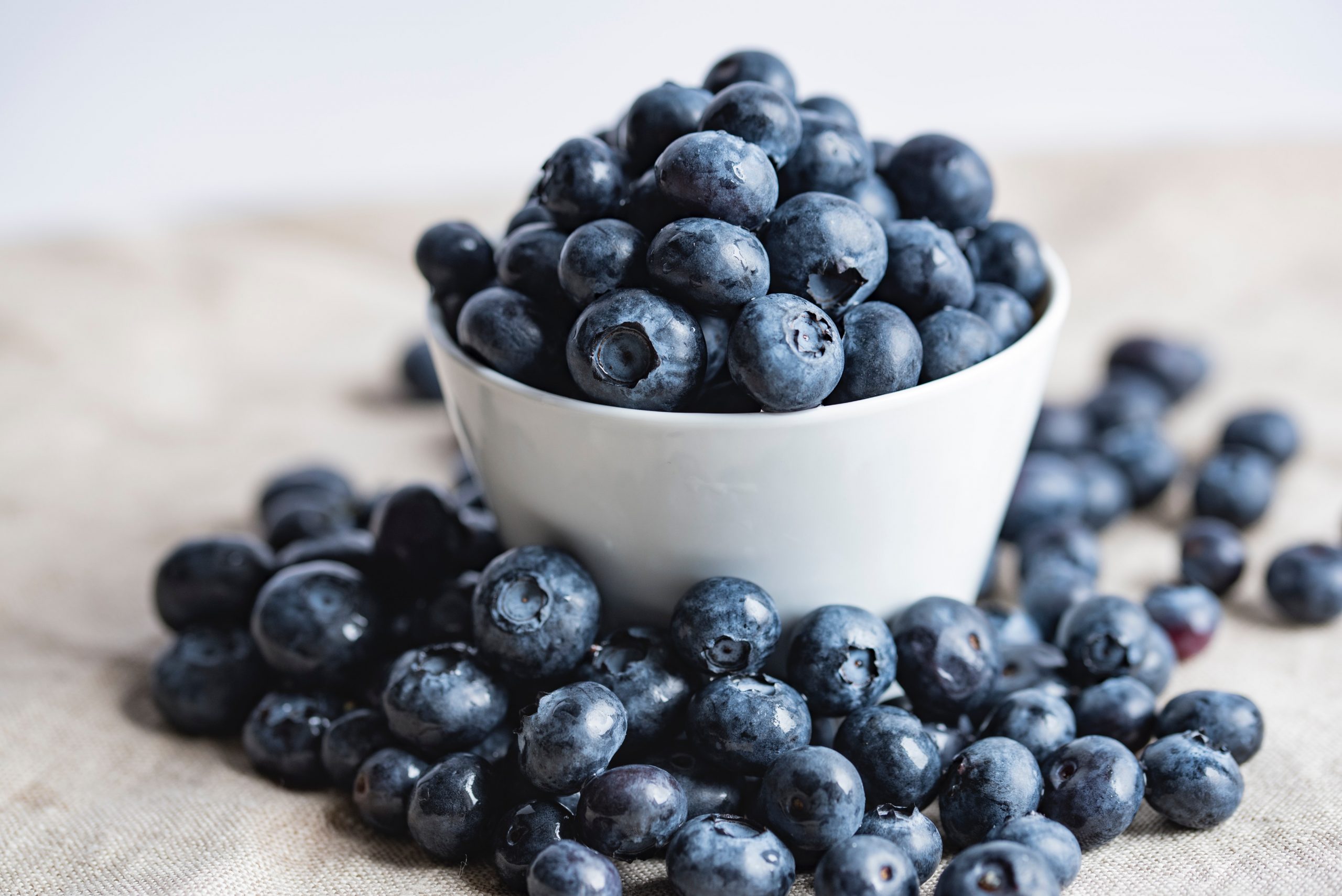
11. Blueberries: Muscle Glucose “Sponge”
Blueberries are rich in anthocyanins that increase GLUT‑4 transporter activity, helping muscles pull more glucose from the blood.
This insulin‑sensitizing effect can last many hours after a serving, making them one of the best fruits for blood sugar balance.
12. Avocado: Slows the Whole Meal Down
Avocados provide healthy fats and fiber that slow digestion and flatten the glucose curve of any carb-heavy meal.
They can also reduce how much insulin your body needs after eating, especially when paired with starches like rice or potatoes.
13. Chickpeas: The “Second-Meal Effect”
Chickpeas give a powerful mix of fiber and plant protein. They’re famous for the “second‑meal effect”:
Eat them at lunch, and your blood sugar response at dinner is often smoother, even if you eat carbs again.
14. Lemon: Simple Glycemic Hack
Lemon juice slows carbohydrate breakdown and gently lowers the glycemic impact of starchy foods.
A squeeze of lemon on rice, potatoes, or pasta can noticeably reduce the spike you’d otherwise see.
Simple Food Rules That Actually Lower Blood Sugar
You don’t need a perfect diet. You need better sequences and combinations:
-
Eat fiber before carbs → can reduce glucose spikes by 30–40%.
-
Start meals with protein and fat → slows digestion, steadies blood sugar.
-
Use lemon or vinegar before or with meals → improves insulin sensitivity.
-
Cook → cool → reheat starches (rice, potatoes, pasta) → more resistant starch, fewer spikes.
-
Have most of your carbs earlier in the day, when your body handles them better.
Small, consistent changes in how you eat and combine foods will do more for your blood sugar than any extreme “no-carb” rule. These 14 foods are simple tools you can drop into your existing meals to make every plate more blood-sugar-friendly.