If you’ve always leaned on eggs as your “easy protein,” this list is going to surprise you.
Eggs are great, but they’re not the only way – nor always the best way – to hit your protein goals. Many everyday foods actually pack more protein per serving than a single egg, and several bring extra fiber, healthy fats, or probiotics along for the ride.
Most people never realize this because we’ve been told “just eat more eggs” for years.
1. Greek Yogurt
Thick, tangy Greek yogurt is a protein-rich dairy star. It’s strained, so you get more protein and less lactose than regular yogurt.
How to use it:
Spoon it into a bowl with fruit and nuts, swirl into smoothies, or use it as a creamy base for dips instead of mayo or sour cream.
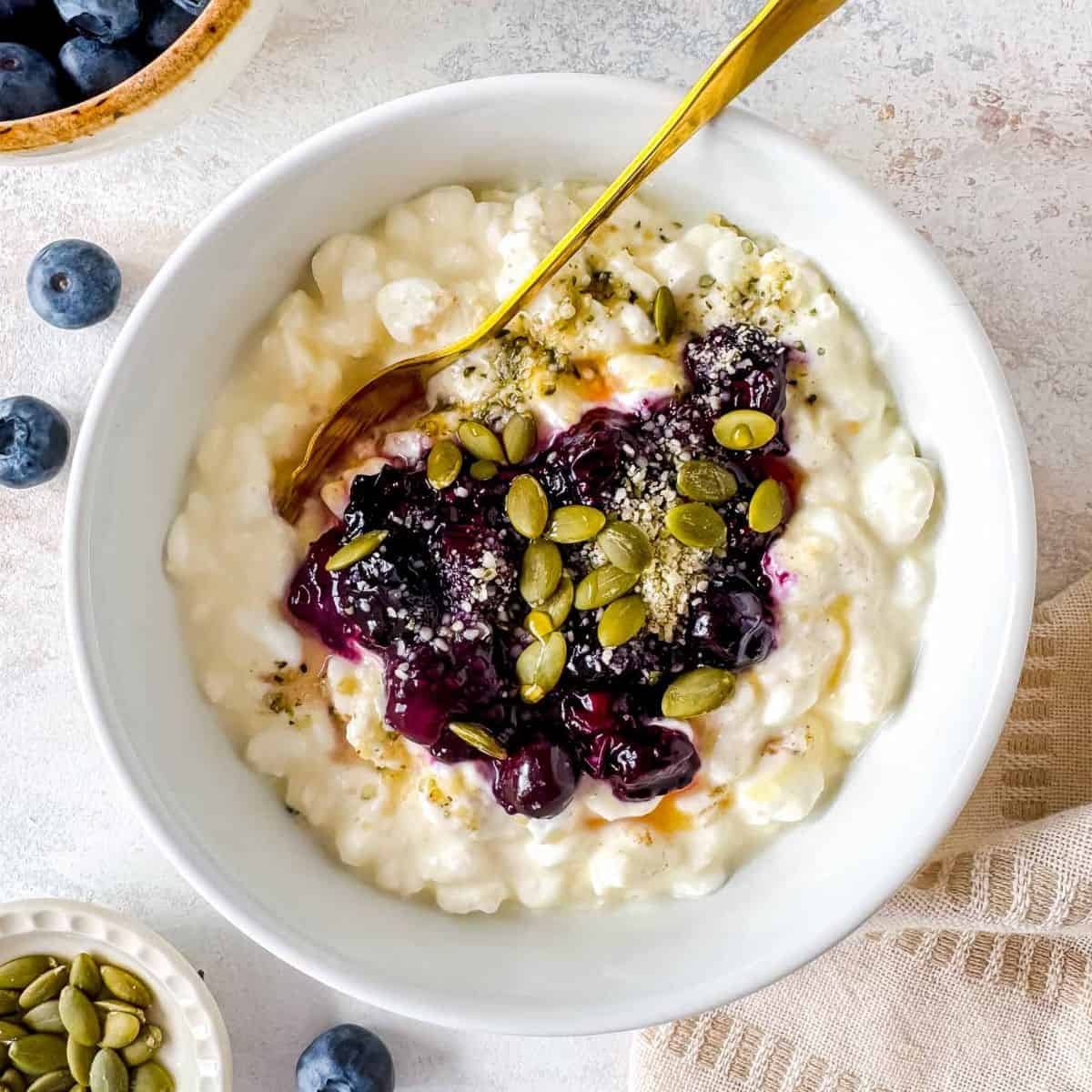
2. Cottage Cheese
Cottage cheese is rich in casein, a slow-digesting dairy protein that keeps you full for hours.
How to use it:
Top it with berries and cinnamon, spread it on whole grain toast, or stir into scrambled eggs or pancakes for extra protein without much effort.
3. Lentils
Lentils are a plant-based protein and fiber combo that supports blood sugar and gut health while delivering serious protein.
How to use it:
Add cooked lentils to salads, soups, stews, or use them as the base of a “meaty” lentil bolognese or tacos.
4. Tofu
Tofu offers complete plant protein, meaning it contains all essential amino acids.
How to use it:
Cube and stir-fry with veggies, crumble into a tofu “scramble,” or blend silken tofu into smoothies and sauces for a hidden protein upgrade.
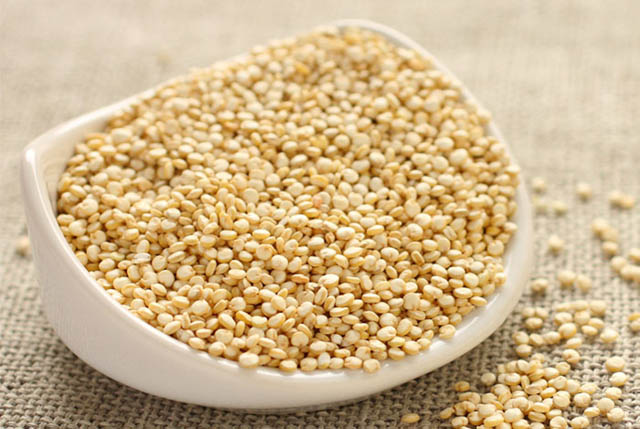
5. Quinoa
Quinoa is technically a seed, and it’s one of the few grains that’s a complete protein.
How to use it:
Swap it in for rice, toss into salads, or make a warm breakfast bowl with almond milk, berries, and a drizzle of nut butter.
6. Almonds
Almonds bring protein plus healthy fats and vitamin E—great for steady energy between meals.
How to use it:
Snack on a small handful, blend into smoothies as almond butter, or sprinkle sliced almonds over yogurt, oats, or salads for crunch.
7. Black Beans
Black beans provide protein, fiber, and minerals in one simple scoop.
How to use it:
Fold them into burritos, mash for bean burgers, or toss into salads and grain bowls for a hearty, satisfying texture.
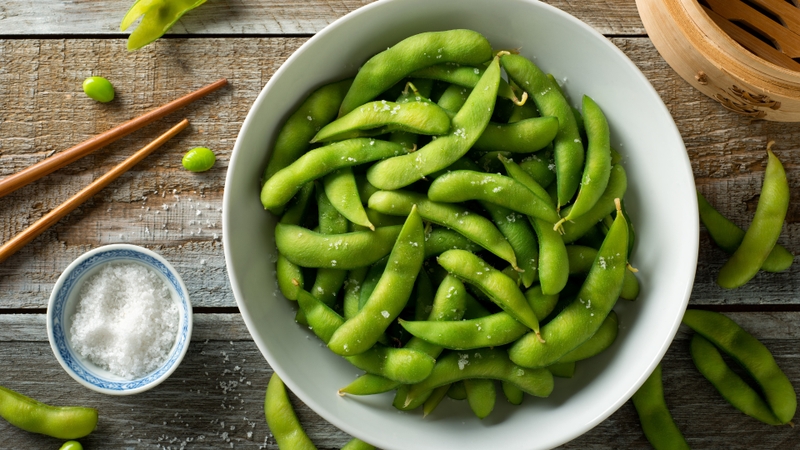
8. Edamame
Those bright green soy pods are young soybeans, packed with protein and fiber.
How to use it:
Steam and sprinkle with sea salt for a snack, add shelled edamame to stir-fries, fried rice, or noodle bowls.
9. Oats
Oats are more than a carb – they provide surprisingly solid protein plus soluble fiber that keeps you full.
How to use it:
Make overnight oats with Greek yogurt, bake protein-dense oat bars, or blend oats into smoothies to thicken and boost protein.
10. Pumpkin Seeds
Pumpkin seeds (pepitas) are tiny but mighty: high protein, healthy fats, zinc, and magnesium.
How to use it:
Sprinkle over salads, soups, and yogurt bowls, or mix into homemade trail mix with nuts and a few dark chocolate chips.
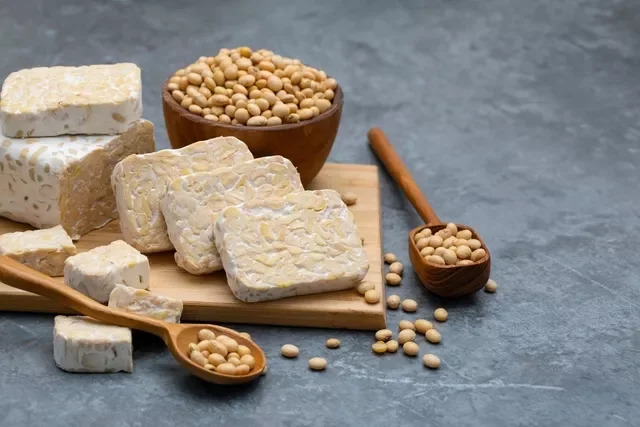
11. Tempeh
Tempeh is fermented whole soybeans pressed into a firm block – richer in protein and fiber than tofu, with a nutty flavor.
How to use it:
Slice and pan-sear as a “bacon” alternative, crumble into chili or tacos, or marinate and bake as a meat stand-in for bowls and sandwiches.
12. Salmon
Salmon delivers high-quality protein plus omega-3 fats that support heart, brain, and joint health.
How to use it:
Bake or grill salmon fillets, flake leftover salmon onto salads, or use canned salmon for quick patties or salmon salad wraps.
Final Takeaway
Eggs are great – but they’re just one tool. By leaning on Greek yogurt, beans, seeds, soy foods, and salmon, you can build plates that are higher in protein, richer in nutrients, and still simple to cook and enjoy.
💾 Save this guide for your next grocery trip or meal-prep session.
📤 Share it with someone who thinks eggs are the only protein option- their breakfasts (and muscles) might love the upgrade.