Your organs work 24/7 – filtering toxins, balancing hormones, digesting food, pumping blood.
Stress, processed food, poor sleep and sitting all day slowly wear them down.
The herbs are not magic cures, but they can naturally support key organs when used wisely, alongside a healthy lifestyle and medical care when needed.
Most people never realize you can “micro-nourish” each organ with small, daily herbal choices.
1. Brain – Lion’s Mane Extract
Lion’s mane mushroom contains compounds called erinacines and hericenones that may support nerve growth and cognitive function.
Better communication between nerve cells can support memory, focus and mood.
How to use it:
Look for standardized lion’s mane capsules or powders; many people take them with breakfast or in “mushroom coffee.” Start with the lowest dose on the label.
2. Thyroid – Ashwagandha
Ashwagandha is an adaptogenic root that may help the body handle stress and, in some studies, gently raise thyroid hormone in people with under active thyroid.
Thyroid hormones drive metabolism, energy and temperature regulation.
How to use it:
Often taken as a capsule or powder in the evening, since it can feel calming.
If you have hyperthyroidism or take thyroid medication, you must talk to your doctor first – ashwagandha can interfere.

3. Heart – Hawthorn Extract
Hawthorn berries and leaves are rich in flavonoids that may help relax blood vessels, support blood flow and modestly reduce blood pressure in some people.
How to use it:
Common forms include heart-support teas or standardized extracts taken with meals.
4. Lungs – Mullein Extract
Mullein leaf has been used for generations to soothe irritated airways. Modern reviews suggest it may help thin mucus and calm inflamed respiratory tissue.
How to use it:
Often taken as a tea, tincture or glycerite. Many people sip it warm during cold or allergy season.
5. Liver – Milk Thistle
Milk thistle’s active compound, silymarin, is a strong antioxidant that may help protect liver cells and support regeneration in certain liver conditions.
How to use it:
Usually taken as a standardized extract in capsule form with food.
6. Kidneys – Dandelion Root
Dandelion root is a traditional diuretic herb, used to support fluid balance and urinary flow. Some data suggest anti – inflammatory and antioxidant actions that may indirectly help kidney health.
How to use it:
Common as a roasted “coffee” alternative or a simple root tea.

7. Pancreas – Black Seed Oil
Black seed (Nigella sativa) oil has been studied for its potential to improve blood sugar and insulin balance, likely through antioxidant and anti-inflammatory effects.
Your pancreas makes insulin; gentler blood sugar swings support long-term metabolic health.
How to use it:
Usually ½–1 teaspoon of oil daily with food, or in soft gel form – always under medical guidance if you have diabetes or take medications.
8. Colon – Ginger Root
Ginger contains gingerols and shogaols, which can reduce gut inflammation, improve motility and ease nausea, gas and bloating.
A smoothly moving colon means less constipation, pressure and discomfort.
How to use it:
Grate fresh ginger into hot water for tea, add to stir-fries, or use small supplemental doses if your doctor agrees.
9. Gut-Soothing, Antioxidant – Rich Fruit – Blackberries
Blackberries are packed with vitamin C, fiber and deep purple pigments (anthocyanins) that help fight oxidative stress and calm inflammation in the gut and blood vessels.
Fiber supports regular bowel movements and feeds good gut bacteria.
Antioxidants help protect tissues while your body repairs.
How to use them
Add a handful to oatmeal, yogurt, or smoothies.
Simmer into a quick sauce for pancakes or plain Greek yogurt instead of sugary syrup.
10. Gentle Mineral Support – Alfalfa
Alfalfa sprouts and leaves contain vitamin K, folate, and minerals like magnesium and iron. Traditionally they’ve been used for digestion and general “tonic” support.
Minerals and plant compounds support blood building and immune function.
How to use it
Toss alfalfa sprouts into salads or wraps.
Add a small handful to sandwiches in place of lettuce for a lighter, crunchy boost.

11. Aloe – Skin-Calming Gel
Aloe vera gel from the inner leaf is famous for soothing minor burns, sunburns, and small skin irritations.
The gel provides a cooling layer of moisture that helps calm redness and discomfort while skin repairs.
How to use it safely
Apply pure aloe gel to minor burns or insect bites.
For internal use (juice), only use products labeled for drinking and in small amounts – too much can act as a laxative.
12. Echinacea – Immune System Ally
Echinacea (the purple coneflower in your image) is often used at the very start of a cold or flu. Studies are mixed, but some suggest it may slightly shorten the duration of respiratory infections for some people.
Supports immune activity when your body is fighting off bugs.
How to use it
Take as a tea or tincture at the first sign of a scratchy throat or sniffles, and limit to short bursts (about 7–10 days).

13. Aspen – Traditional Pain & Fever Support
Aspen bark has historically been used in teas for pain and fever, similar to willow. It contains salicylate-like compounds that can have mild pain-relieving effects.
Can gently ease discomfort from headaches, body aches or mild fever in traditional use.
How to use it
Aspen bark teas or tinctures should be used sparingly and are not for people allergic to aspirin, children, or pregnant individuals.
14. Ginger Root – Digestive & Circulation Booster
Ginger root is a classic remedy for nausea, gas, and motion sickness. Its natural compounds (gingerols and shogaols) also have anti-inflammatory and circulation-supporting effects.
A calmer stomach means you can eat and absorb nutrients better.
Mild anti-inflammatory activity can ease sore joints and muscles.
How to use it
Slice fresh ginger into hot water for tea.
Grate into stir-fries, soups, or smoothies.
15. Sage – Throat & Digestive Soother
Sage leaves offer antimicrobial and astringent properties. Traditionally, sage tea or gargles are used for sore throats, mouth ulcers, and bloating.
Can calm a raw throat and reduce excess moisture in the mouth and sinuses.
May ease gassy, heavy digestion after rich meals.
How to use it
Steep 1–2 teaspoons of dried sage in hot water for 5–7 minutes.
Cool and use as a gargle for sore throat; spit out afterward.
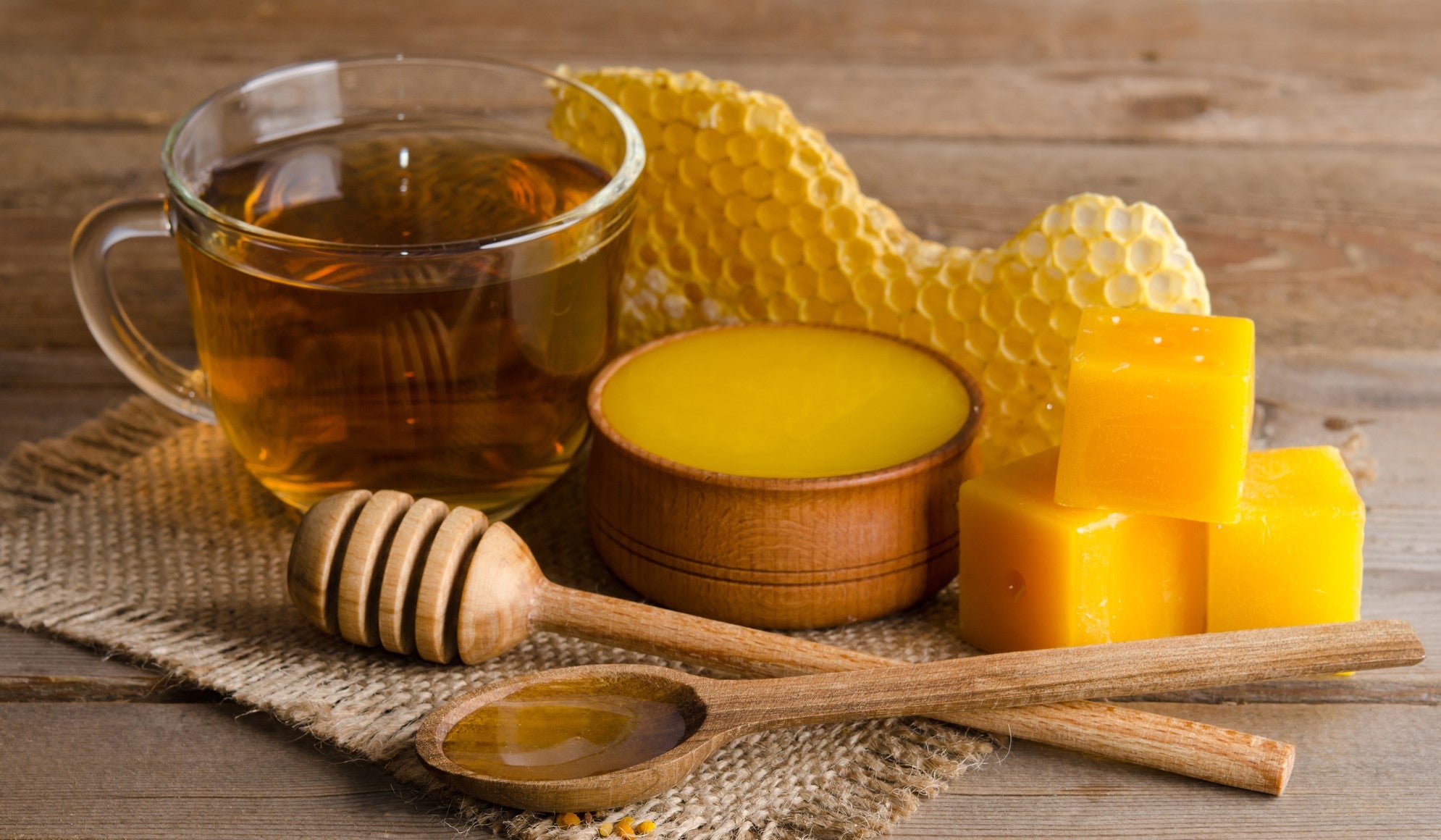
16. Beeswax – Protective Barrier for Skin
Beeswax by itself isn’t medicinal, but it creates a breathable, protective layer on the skin when used in salves and balms.
Helps lock in moisture and shield small cuts, scrapes, or chapped lips while they mend.
How to use it
Look for natural balms that combine beeswax with soothing oils (like olive, coconut, or calendula-infused oil) and apply to dry, cracked, or mildly irritated skin.
17. Chamomile – Calming Flower for Gut & Nerves
Chamomile tea is a classic for nervous stomachs, mild cramps, and anxious minds at bedtime.
Relaxed muscles and a calmer nervous system support digestion and sleep—two pillars of recovery.
How to use it
Drink a warm cup 30–60 minutes before bed.
Sip slowly after meals if you tend to feel tight, bloated, or queasy (as long as you’re not allergic to daisies/ragweed).
Quick Safety Notes
- If you’re pregnant, breastfeeding, have chronic illness, take prescription meds, or have organ disease (heart, kidney, liver, thyroid, diabetes), talk with your healthcare provider before using these herbs regularly.
- Watch for allergic reactions, dizziness, big blood-pressure changes, or digestive distress and stop the herb if they appear.
- Herbs are slow helpers, not emergency tools. Sudden chest pain, trouble breathing, yellowing skin, or severe abdominal pain demand urgent medical care.
💾 Save this guide if you want to build an organ-supporting herbal routine.
📤 Share it with someone who loves natural health and wants science-aware, realistic ideas – not hype.