That deep, throbbing ache in the wrist or fingers can make even simple things – opening a jar, typing, lifting a bag – feel exhausting.
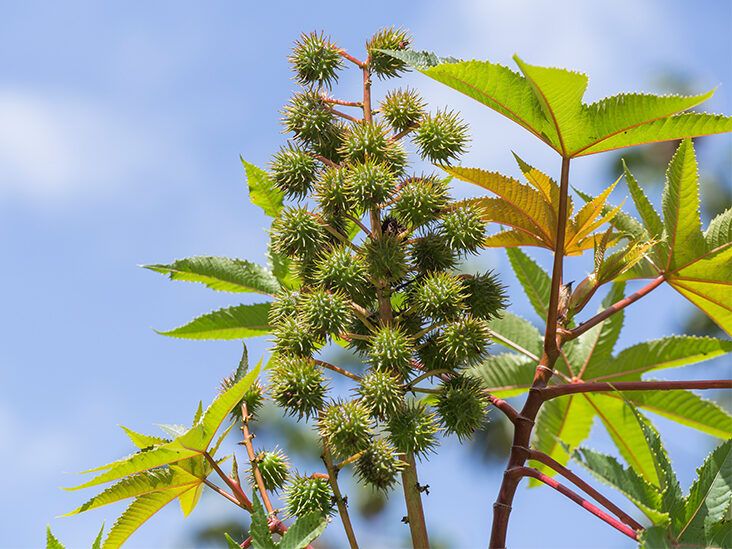
In many traditional cultures, people reach for a plant you might recognize from the image: castor, with its star-shaped leaves and bright red seed pods. The seeds are pressed into castor oil, and the leaves themselves are sometimes used as warm compresses for stiff, painful joints.
This is a folk remedy, not a miracle cure – but when used carefully, a castor leaf compress can feel soothing and help your joints move a little more freely.
Most people never realize this works because they only know castor as a laxative oil, not as a gentle topical support for sore joints.
What Castor Does Inside the Body
Castor oil (made from the seeds of the plant) is rich in a fatty acid called ricinoleic acid. In lab and animal studies, this compound shows:
- Mild anti-inflammatory effects.
- Gentle pain-relieving action on nerves and tissues.
- Support for circulation and lymph flow where it is applied.
Traditional herbal systems use castor packs on:
- Stiff wrists, knees, and fingers.
- Old sprains or overworked joints.
- Areas that feel cold, tight, and achy rather than hot and inflamed.
When you place a warm castor leaf or oil pack on a sore joint, you are essentially giving that area moist heat plus plant compounds that may help calm irritation.
Simple Preparation Method (Leaf or Oil Pack)
⚠️ Important: The seeds of the castor plant are highly poisonous if chewed or swallowed. Never experiment with the seeds. This guide is only about external use of clean leaves or store-bought oil.
You can use either fresh leaves (if you truly know the plant) or, more safely, bottled castor oil from a pharmacy.
If you have safely identified castor leaves
- Wash 1–2 large, fresh leaves well under running water.
- Pat dry and place them on a clean cloth.
- Warm the leaf gently by placing it over a bottle of hot water or dipping it quickly in warm (not boiling) water and patting dry again.
- Rub a small amount of castor oil on the painful area of your wrist, knee, or fingers.
- Lay the warm leaf over the joint and cover with a thin cotton cloth or bandage.
- Leave on for 20–30 minutes, keeping the area comfortably warm but not hot.
- Remove the leaf and wash the skin with mild soap and water.
If you do not have access to the plant
You can get a similar effect with a castor oil cloth pack:
- Soak a folded piece of cotton cloth in castor oil (not dripping).
- Place on the painful joint and cover with plastic wrap or another dry cloth.
- Add a warm water bottle or heating pad on top.
- Rest for 20–30 minutes, then remove and wash the skin.
When to Use This Remedy
This kind of warm castor pack is best for:
- Mild to moderate joint stiffness after overuse.
- Old aches that feel better with heat.
- Early morning stiffness in the hands or wrists.
You can use it:
- In the evening, when you can sit and rest.
- Up to once a day for a short period, such as 3–7 days.
What to expect
- After the very first session, many people feel a soft, comforting warmth and slightly easier movement.
- Over 3–7 days of consistent use, you may notice less stiffness and a calmer, less “angry” feeling in the joint.
- Deep, long-standing arthritis will likely still need medical treatment; this is a helper, not a cure.
Why It Works: Tradition Meets Science
From a traditional perspective, castor packs are said to:
- “Draw out cold and stagnation” from the joint.
- Warm and soften stiff tissues.
From a modern lens, the benefits probably come from:
- Moist heat, which improves blood flow and relaxes muscles.
- Ricinoleic acid in castor oil, which has documented anti-inflammatory and analgesic effects.
- A calming impact on the nervous system simply from lying still and allowing the body to rest.
It is this combination—heat, circulation, and plant chemistry—that gives the remedy its quiet power.
Safety: Who Should Avoid Castor Packs
Because castor is a strong plant, safety matters:
- Do not use on broken skin, open wounds, rashes, or infections.
- Avoid if you are pregnant, trying to conceive, or breastfeeding, unless your doctor approves.
- Do not use if you have nerve damage in the area and cannot feel heat properly.
- Stop immediately if you notice itching, burning, or a rash.
- Never let children handle castor seeds or play with the plant.
- Persistent, severe, or hot and swollen joints need a doctor’s evaluation, not just home care.
Think of this as a gentle add-on for mild pain, not a replacement for diagnosis, medication, or physical therapy.
A warm castor leaf or castor oil pack can be a soothing, traditional way to comfort stiff wrists, knees, or fingers when used with care. It will not rebuild joints or cure arthritis, but it may help you move with a little more ease and sleep with a little less throbbing.
Save this guide if you want to try a safe castor pack later.