If you wake up tired even after a full night’s sleep, it’s easy to blame stress or age.
But one quiet culprit is often overlooked: low potassium intake.
Potassium is an essential mineral that helps your muscles contract, your heart beat steadily, and your nerves send signals. When you don’t get enough, you may feel:
- Heavy and sluggish in the morning
- Prone to muscle cramps
- Foggy, irritable, or “drained”
The good news? You don’t need supplements first. You can gently boost your levels with everyday potassium-rich foods.
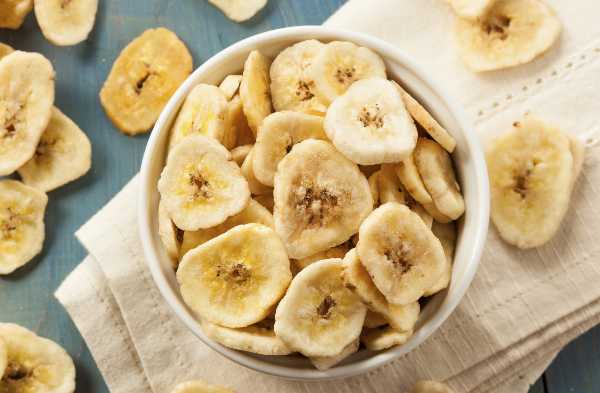
1. Bananas – Potassium + Vitamin B6
Bananas are the classic potassium food for a reason.
- Potassium supports normal muscle and nerve function.
- Vitamin B6 helps your body turn food into usable energy.
How to use it:
Slice a banana over oats, blend it into a smoothie, or pair it with peanut butter for a quick, steady-energy snack.
2. Spinach – Potassium + Iron
Spinach is a leafy powerhouse.
- Potassium supports fluid balance and muscle function.
- Iron helps carry oxygen in your blood, which is key for feeling awake instead of exhausted.
How to add it:
Throw a handful into scrambled eggs, pasta, soups, or smoothies. Fresh or frozen both work.
3. Salmon – Potassium + Omega-3s
Salmon doesn’t just give protein; it also supplies potassium and omega-3 fats.
- Potassium helps control blood pressure and muscle performance.
- Omega-3s support brain health and may reduce inflammation-related fatigue.
Easy idea:
Bake salmon with lemon and herbs, then serve with vegetables and sweet potatoes for a deeply satisfying dinner.
4. Avocado – Potassium + Healthy Fats
Avocados are surprisingly rich in potassium, plus heart-healthy monounsaturated fats.
- Potassium supports normal heart rhythm.
- Healthy fats keep you full, prevent blood sugar crashes, and help absorb fat-soluble vitamins.
How to enjoy it:
Mash on whole-grain toast, slice into salads, or add to smoothies for creaminess without dairy.
5. Sweet Potatoes – Potassium + Complex Carbs
Sweet potatoes are like slow-burning fuel.
- Potassium supports the muscles that keep you moving all day.
- Complex carbs and fiber provide long-lasting energy instead of a quick spike and crash.
Use them:
Roast cubes for meal prep, enjoy baked sweet potatoes, or slice into wedges and bake as “fries.”

6. Broccoli – Potassium + Fiber
Broccoli brings potassium along with fiber and vitamin C.
- Potassium helps your cells function properly.
- Fiber stabilizes blood sugar, which keeps your energy more even.
How to add it:
Steam, roast, or stir-fry broccoli and toss it into grain bowls, pasta, or omelettes.
7. Oranges – Potassium + Vitamin C
Oranges are more than just vitamin C.
- Potassium supports heart and muscle function.
- Vitamin C helps reduce oxidative stress and supports immune health.
Try this:
Eat the whole orange instead of just juice—the fiber slows sugar absorption and keeps you satisfied.
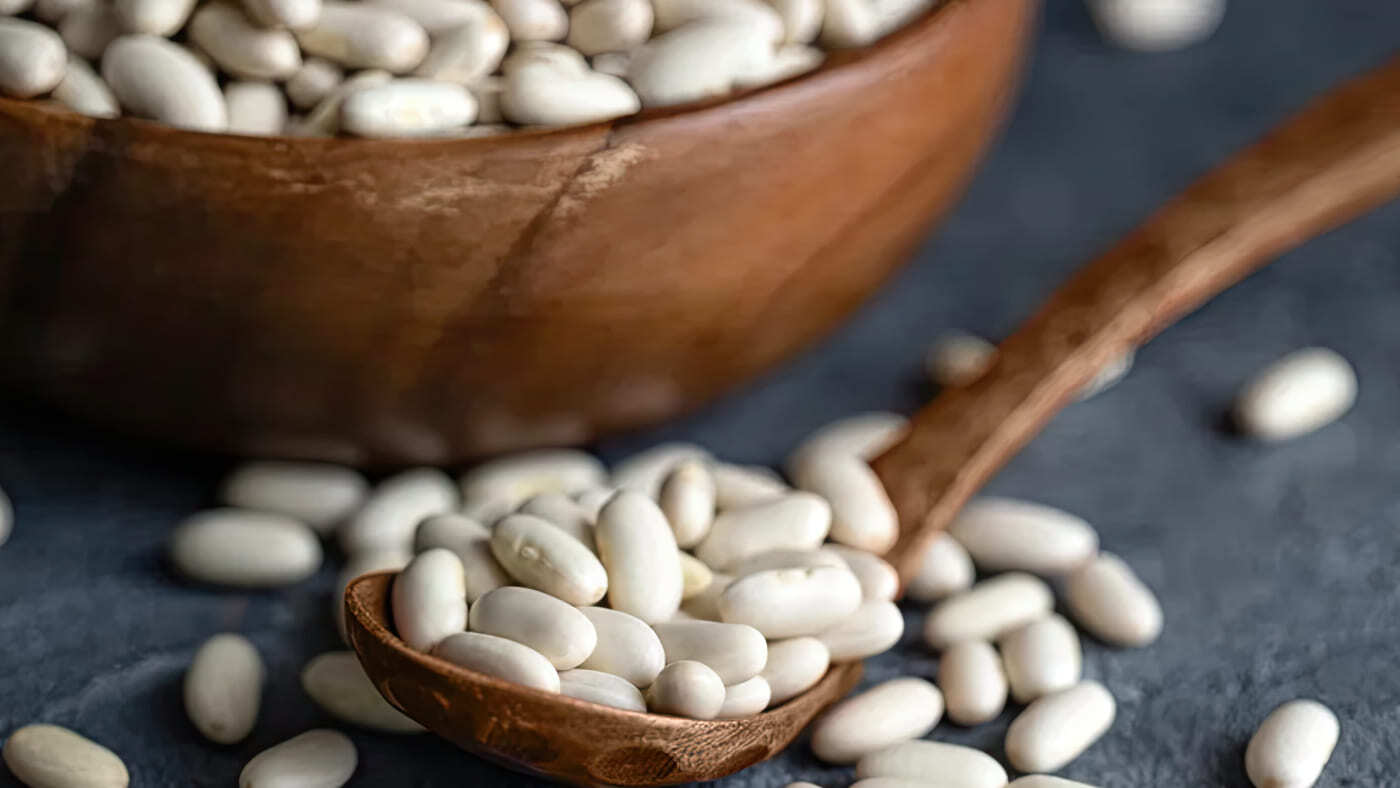
8. White Beans – Potassium + Protein
White beans (like cannellini or navy beans) are a quiet potassium star.
- Potassium supports fluid balance, especially if you eat more salt.
- Plant protein and fiber keep you full and steady between meals.
Ways to use them:
Add to soups, stews, salads, or mash with olive oil and garlic as a creamy spread.
9. Kiwi – Potassium + Vitamin C
Kiwi is a tangy little fruit with a big nutrient punch.
- Potassium helps regulate heartbeat and nerve signals.
- Vitamin C supports collagen, immune function, and overall recovery.
How to enjoy it:
Slice into yoghurt bowls, fruit salads, or eat on its own as a juicy afternoon pick-me-up.
10. Coconut Water – Hydration With a Mineral Bonus
Coconut water is like nature’s light electrolyte drink.
-
It delivers a gentle hit of potassium along with magnesium and a bit of sodium.
-
This combo helps restore fluid balance after sweating, long walks, or hot days.
How to use it:
-
Sip a small glass after exercise instead of sugary sports drinks.
-
Blend into smoothies with banana or berries.
-
Freeze into ice cubes and add to regular water for a subtle flavor and mineral boost.
11. Plain Yogurt – Potassium + Protein for Steady Energy
Unsweetened yoghurt (especially Greek or strained types) quietly supplies potassium, high-quality protein, and gut-friendly probiotics.
-
Potassium supports muscle and nerve function.
-
Protein slows digestion so your energy release is steady, not spiky.
Easy ideas:
-
Top with fruit and a sprinkle of nuts or seeds for breakfast.
-
Use as a base for dips instead of mayo or sour cream.
-
Stir with herbs and lemon as a creamy sauce over roasted vegetables or potatoes.
12. Lentils – Potassium + Fiber in a Comforting Bowl
Lentils are a triple win: potassium, plant protein, and fiber.
-
Potassium keeps cells functioning smoothly.
-
Fiber helps control blood sugar swings that make you feel drowsy after meals.
How to add them:
-
Make a simple lentil soup with carrots, onions, and tomatoes.
-
Toss cooked lentils into salads or grain bowls.
-
Use them as a hearty base for veggie shepherd’s pie or tacos.

13. Tomatoes – Juicy Potassium With Antioxidants
Fresh tomatoes and tomato products (like purée and passata) offer potassium plus lycopene, a powerful antioxidant.
-
Potassium supports circulation.
-
Lycopene helps protect cells from oxidative stress, which can also sap your energy over time.
How to enjoy them:
-
Add slices to sandwiches and salads.
-
Simmer a tomato sauce with olive oil, garlic, and herbs for pasta, beans, or fish.
-
Roast cherry tomatoes until they’re sweet and jammy, then pile onto toast.
14. Potatoes With the Skin – Comfort Food That Actually Helps
Plain potatoes often get a bad reputation, but when you keep the skin on and avoid deep-frying, they’re a serious potassium source.
-
The skin holds much of the potassium and fiber.
-
They provide slow-release carbs that fuel your brain and muscles.
How to use them smartly:
-
Bake or boil small potatoes and drizzle with olive oil, herbs, and a spoon of yoghurt.
-
Make potato and vegetable soups instead of heavy cream-based ones.
-
Roast wedges in the oven with garlic and rosemary as a side.
15. Dried Apricots – Portable Potassium Snack
Dried apricots are concentrated in potassium, fiber, and natural sweetness.
-
Their potassium helps counterbalance salty meals or snacks.
-
Fiber supports digestion and smoother blood sugar curves.
How to snack on them:
-
Pair 3–4 apricot halves with a handful of nuts for a balanced snack.
-
Chop into oatmeal, yoghurt, or salads.
-
Use a few pieces to lightly sweeten homemade trail mix or granola bars.

Final Takeaway
If you’re waking up tired, your body might be asking for more potassium-rich, real foods rather than more coffee. Bananas, spinach, salmon, avocado, sweet potatoes, broccoli, oranges, white beans, and kiwi are simple, delicious ways to feed your cells the minerals they need to fire properly.
Save this guide for your next grocery trip, and share it with someone who’s always exhausted and living on caffeine instead of nutrients.