Stomach cancer does not appear overnight. For many people, it develops after years of irritation in the stomach lining, poor gut balance, and chronic inflammation. That is why daily food choices matter more than most people think.
The good news is that some simple foods can support your stomach environment in protective ways. They do not “prevent cancer” on their own, but they can help your body stay less inflamed, better nourished, and more resilient.
Most people never realize this works because it is not about one superfood. It is about consistent, small habits that reduce long-term stress inside the gut.
1. Ginger
Ginger is often used to calm nausea and support digestion. It also contains natural compounds that may help reduce stomach inflammation.
How to add it
- Steep fresh slices in hot water for a gentle tea.
- Grate into soups or stir-fries.
- Add a small amount to warm porridge.

2. Green tea
Green tea contains antioxidants that help protect cells from oxidative stress, which can contribute to long-term damage.
How to add it
- Sip 1 cup daily, preferably between meals.
- Brew gently. Over-steeping can make it bitter and harsher on a sensitive stomach.
3. Garlic
Garlic is known for its natural antibacterial properties and is often discussed in relation to H. pylori, a bacteria linked with stomach ulcers and increased stomach cancer risk.
How to add it
- Use one small clove in cooked meals.
- If raw garlic irritates you, choose cooked garlic instead.
Safety note
Garlic can worsen reflux for some people. Start small.
4. Carrots
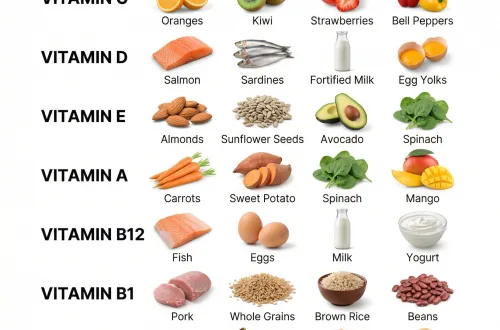
Carrots provide carotenoids, which support the stomach lining and overall cell protection.
How to add it
- Eat them cooked if your stomach is sensitive.
- Blend into soups for a smoother texture.
5. Cabbage
Cabbage contains “Vitamin U” (a traditional term often used for cabbage compounds linked with gut repair support). Some people find cabbage especially soothing for the stomach lining.
How to add it
- Lightly steam or stir-fry for easier digestion.
- Try small amounts first if you tend to bloat.

6. Yogurt
Yogurt provides probiotics that can support a healthier gut environment, which may help keep inflammation lower over time.
How to add it
- Choose plain yogurt and sweeten with fruit if needed.
- Eat it with meals if dairy feels heavy alone.
Safety note
If dairy triggers symptoms for you, skip it.
7. Tomatoes
Tomatoes contain lycopene, a protective antioxidant that supports cell health.
How to add it
- Add to soups, sauces, or salads.
- Cooked tomatoes can be easier to absorb, but they may trigger reflux in some people.
8. Parsley
Parsley contains chlorophyll and anti-inflammatory plant compounds that support digestion and overall gut calm.
How to add it
- Sprinkle fresh parsley over meals.
- Blend into sauces or soups.
9. Miso
Miso is a fermented soy food that supports gut immunity through fermentation-friendly compounds.
How to add it
- Stir miso into warm water for a simple soup.
- Add it at the end of cooking. Boiling can reduce its beneficial activity.
Safety note
Miso is salty. If you have high blood pressure, keep portions modest.
10. Bananas
How to use it
-
Eat 1 banana as a morning snack or between meals.
-
Slice into oatmeal or yogurt for a gentle, filling bowl.
-
Blend into a smoothie with water or milk for an easy-on-the-stomach option.
Safety note
If you have diabetes or are watching blood sugar, keep portions moderate and pair banana with protein (like yogurt or nuts) to slow the sugar rise.
11. Oats
How to use it
-
Cook oats into soft porridge. This is usually easier on the stomach than dry or crunchy oats.
-
Add warm water or milk, then top with sliced banana for a soothing meal.
-
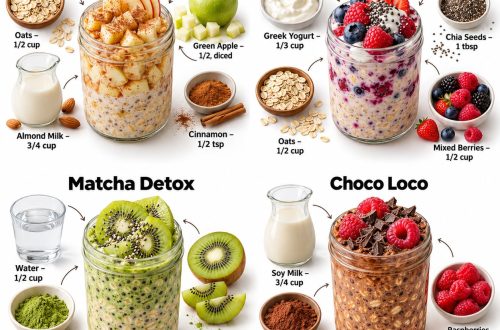
Use oats in a simple overnight oats jar if your stomach tolerates cold foods.
Safety note
If you have bloating or IBS, start with a small portion because fiber can trigger gas in some people. Choose well-cooked oats and increase slowly.
12. Papaya
How to use it
-
Eat a small bowl of ripe papaya after meals to support digestion.
-
Blend ripe papaya into a smoothie for a gentle dessert-like option.
-
Mash ripe papaya and eat it plain if your stomach feels sensitive.
Safety note
Avoid unripe (green) papaya if you are pregnant, and stop if it causes diarrhea. If you are allergic to latex, use caution because papaya can cross-react in some people.

Important Safety Note
Foods can support stomach health, but they cannot replace medical care. If you have ongoing stomach pain, black stools, unexplained weight loss, persistent nausea, vomiting, anemia, or trouble swallowing, get checked promptly.
Final takeaway
A stomach-friendly routine is built from simple foods that reduce irritation and support a healthier gut environment over time: ginger, green tea, garlic, carrots, cabbage, yogurt, tomatoes, parsley, and miso.
Save this guide if you want to try it later, and share it with someone who needs a gentle stomach-health reset today.