Breakouts are not just about clogged pores.
They are a reflection of inflammation, skin barrier damage, slow cell turnover, and nutrient imbalance inside the body.
Many people focus only on topical skincare and overlook one powerful factor: what they eat while their skin is healing.
The right foods do not “cure” acne overnight, but they can shorten healing time, reduce redness, and support skin repair when consumed consistently.
1. Zinc-Rich Seafood
Zinc plays a direct role in wound healing, immune response, and inflammation control.
Low zinc levels are commonly linked to slower acne recovery.
How to use:
- Include seafood a few times per week
- Pair with vegetables to reduce inflammatory load
2. Sweet Potatoes
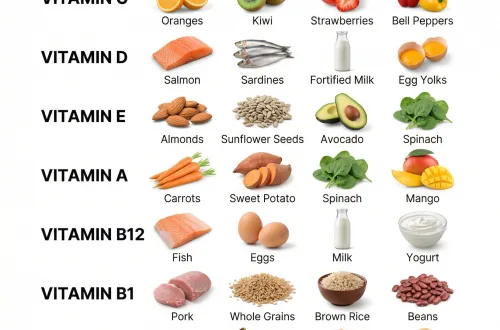
Sweet potatoes provide beta-carotene, which the body converts into vitamin A.
Vitamin A supports cell turnover and skin renewal, helping damaged skin recover more smoothly.
How to use:
- Roast or steam
- Combine with healthy fats for better absorption

3. Papaya
Papaya contains natural enzymes like papain, which support digestion and reduce internal inflammation.
This indirectly helps skin repair by improving nutrient absorption.
How to use:
- Eat fresh, not overly ripe
- Use as a light snack or with meals
4. Cucumber
Cucumber is high in water and provides hydration support, which is essential for healing inflamed skin.
Well-hydrated skin repairs its barrier more efficiently.
How to use:
- Add to salads
- Eat raw for maximum hydration benefit
5. Oatmeal
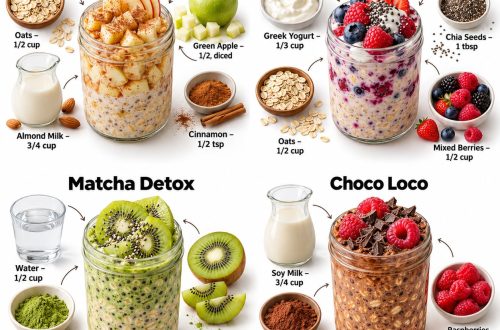
Oats contain beta-glucan, a compound known to calm inflammation.
Oatmeal helps stabilize blood sugar, which may reduce acne-triggering hormonal spikes.
How to use:
- Choose plain oats
- Avoid sugary toppings

6. Sunflower Oil
Sunflower oil is rich in linoleic acid, a fatty acid essential for skin barrier repair.
A damaged barrier slows acne healing and increases irritation.
How to use:
- Use in moderation for cooking
- Pair with whole foods, not processed meals
7. Avocado
Avocados provide healthy fats that help maintain lipid balance in the skin barrier.
They also support absorption of fat-soluble vitamins needed for repair.
How to use:
- Add to meals, not oversized portions
- Combine with vegetables
8. Carrots
Carrots supply antioxidants, especially beta-carotene, which help protect healing skin from oxidative stress.
They support overall skin resilience rather than directly treating acne.
How to use:
- Eat raw or lightly cooked
- Avoid overcooking
9. Pumpkin Seeds
Pumpkin seeds provide zinc and magnesium, both important for wound healing and inflammation control.
They support recovery rather than preventing breakouts.
How to use:
- Snack on a small handful
- Add to oatmeal or salads
10. Green Tea
Green tea contains polyphenols that help regulate sebum production and calm inflammation.
It supports skin healing internally, not as a miracle cure.
How to use:
- Drink unsweetened
- 1–2 cups per day is enough
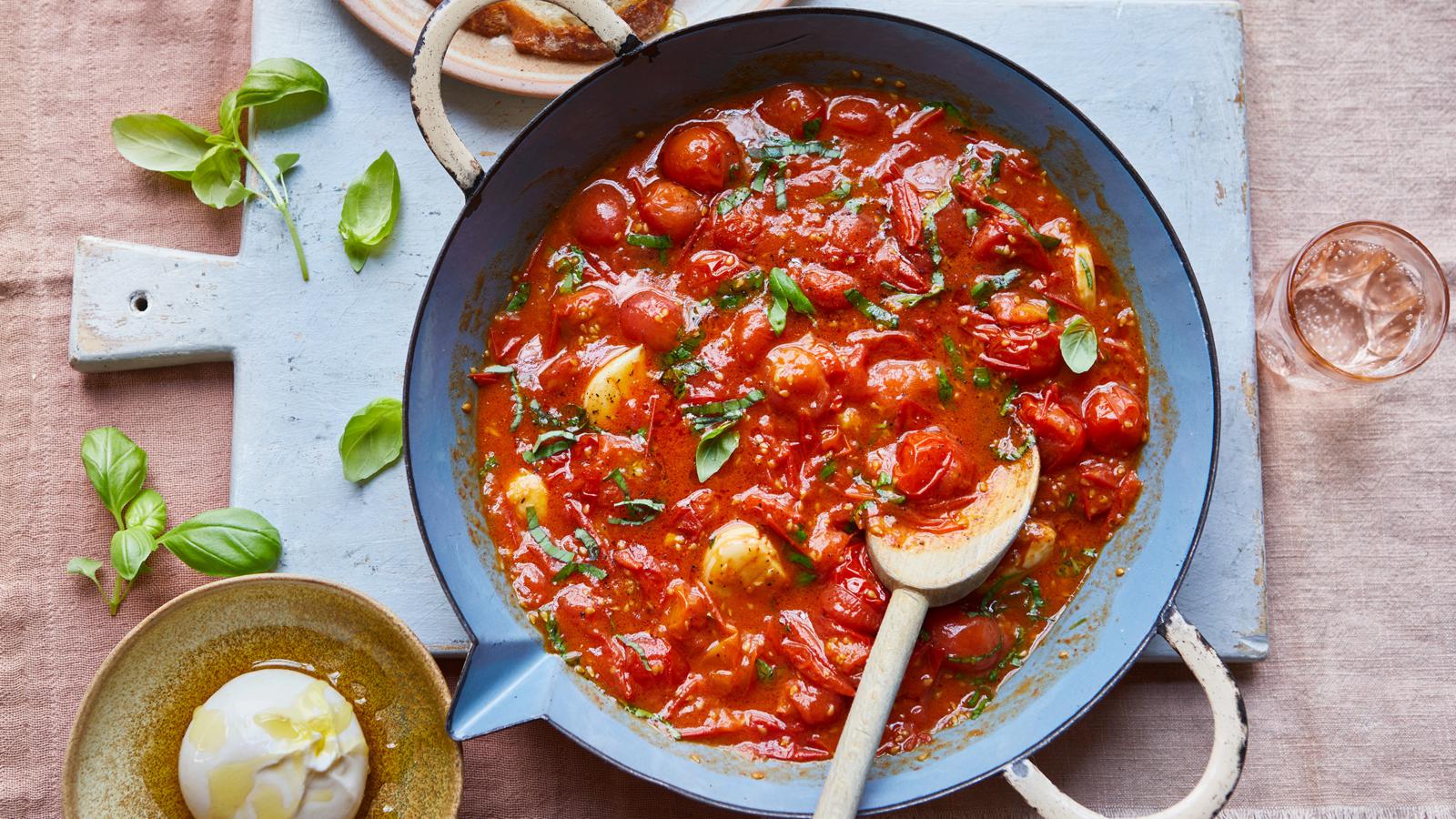
11. Tomatoes
Tomatoes provide lycopene, an antioxidant that supports collagen structure and protects healing skin from oxidative damage.
How to use:
- Eat fresh or lightly cooked
- Pair with healthy fats for absorption
12. Eggs
Eggs supply high-quality protein, which the skin needs to rebuild tissue after inflammation.
They also provide nutrients involved in repair processes.
How to use:
- Cook thoroughly
- Balance with fiber-rich foods
Important Notes & Realistic Expectations
- These foods support recovery, not instant acne removal
- Results depend on sleep, stress, and skincare habits
- Severe or persistent acne should be evaluated by a professional
When You’ll Notice Changes
With regular intake:
- Reduced redness may appear within 7–10 days
- Healing speed often improves within 2–3 weeks
- Overall skin resilience builds over time
Food supports healing, but it does not replace skincare or medical treatment.
Final Takeaway
Healing acne-prone skin is not about eating “perfectly.”
It is about giving your skin the raw materials it needs to repair itself properly.
Save this guide if you want to support your skin from the inside, and share it with someone who is frustrated with slow acne healing.