Managing blood sugar can feel overwhelming, especially when food advice feels conflicting. Many people believe vegetables are always “safe,” but the type and portion truly matter for diabetes control.
The good news is that some vegetables actively support insulin sensitivity, slow glucose absorption, and reduce inflammation.
Most people never realize this works because these vegetables do more than just add fiber. They influence how your body processes sugar throughout the day.
Vegetables are not just fillers for diabetics. The right choices actively support blood sugar balance and metabolic health.
Why Vegetables Matter for Blood Sugar Control
Vegetables support diabetes management by:
- Slowing carbohydrate absorption
- Improving insulin response
- Reducing inflammation and oxidative stress
- Supporting gut health, which directly affects glucose balance
Choosing the right vegetables consistently can lead to steadier energy and fewer sugar spikes.
1. Carrots
Carrots contain beta-carotene and soluble fiber that help regulate glucose absorption.
They are naturally sweet but have a low glycemic load when eaten whole or lightly cooked.
Add them to soups, stir-fries, or enjoy raw with a protein-based dip.

2. Leafy Greens
Leafy greens are among the most powerful vegetables for diabetes.
They are low in carbohydrates and rich in magnesium, which improves insulin sensitivity.
Spinach, lettuce, and mixed greens work well in salads, smoothies, or lightly sautéed dishes.
3. Peppers
Bell peppers provide vitamin C and antioxidants that reduce inflammation linked to insulin resistance.
They are low in sugar and add flavor without raising blood glucose.
Use them raw, roasted, or stuffed with lean protein.
4. Tomatoes
Tomatoes contain lycopene, a compound linked to improved blood sugar control and heart health.
They are low in calories and carbohydrates when eaten fresh.
Add them to salads, sauces, or soups without added sugar.
5. Cucumbers
Cucumbers are mostly water, making them excellent for hydration and blood sugar stability.
They help reduce post-meal glucose spikes when paired with meals.
Slice them into salads or enjoy with vinegar and herbs.
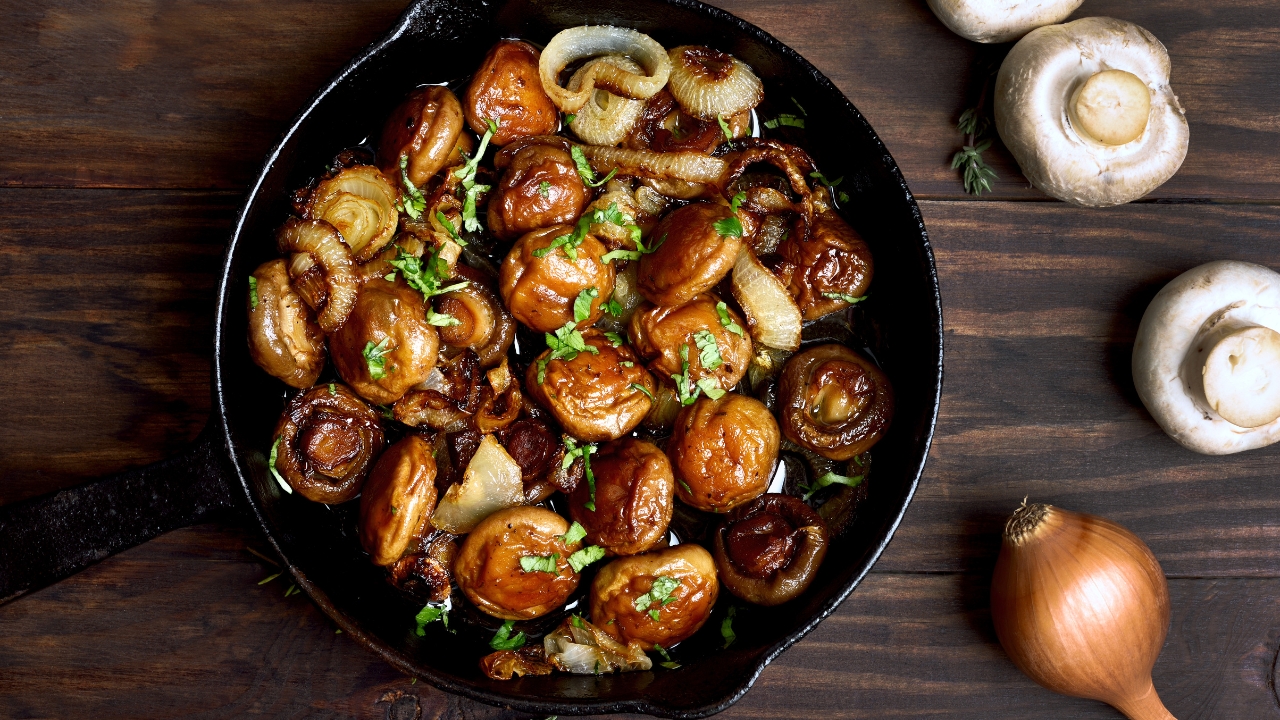
6. Mushrooms
Mushrooms support glucose metabolism and improve insulin response.
They are rich in antioxidants and B vitamins while being very low in carbs.
Sauté them with olive oil or add to soups and grain-free bowls.
7. Eggplant
Eggplant contains fiber and polyphenols that slow sugar absorption.
It helps control appetite and supports heart health.
Roast or grill eggplant to keep it diabetes-friendly.
8. Green Beans
Green beans provide fiber and plant compounds that support steady blood sugar.
They are filling without adding excess carbohydrates.
Steam or stir-fry them lightly for best benefits.
9. Onions
Onions contain sulfur compounds that may help lower fasting blood sugar levels.
They also support gut bacteria, which plays a role in glucose control.
Use them cooked or raw in moderation for flavor and health benefits.
10. Kale
It is rich in fiber, vitamin C, and antioxidants that help improve insulin sensitivity and reduce inflammation.
Kale supports steady blood sugar by slowing glucose absorption after meals while keeping carbohydrate intake low. It also helps promote fullness, which can prevent overeating.
Add kale to salads with olive oil, lightly sauté it with garlic, or blend it into low-sugar green smoothies for daily blood sugar support.
11. Broccoli
Broccoli contains sulforaphane, a compound shown to improve insulin sensitivity.
It also supports liver detoxification, which affects glucose regulation.
Steam or roast broccoli lightly to preserve nutrients.
12. Cauliflower
Cauliflower is low in carbohydrates and high in fiber.
It helps reduce insulin demand after meals.
Use it as a rice or mash substitute to lower overall carb intake.

How to Build a Daily Plate Using These Vegetables
Fill at least half of your plate with a mix of non-starchy vegetables from this list.
Combine them with lean protein and healthy fats to slow glucose absorption further.
Rotate vegetables to support nutrient diversity and gut health.
When You’ll Notice Changes
Many people notice:
- Reduced sugar spikes within 3 to 5 days
- Better energy levels within 1 to 2 weeks
- Improved fasting glucose with consistent intake over time
Results depend on portion size and overall diet balance.
Tips to Combine Them Effectively
Pair vegetables with protein to reduce glucose impact.
Avoid sugary sauces and deep frying.
Choose steaming, roasting, or sautéing over boiling.