Late-night hunger is real. But what you choose at night can decide whether you drift off easily or lie awake with a heavy stomach, heartburn, or a sugar-and-caffeine buzz.
Here’s the simple truth: bedtime eating is not always “bad.” The goal is gentle, easy-to-digest foods that keep blood sugar steady and keep reflux low.
Most people never realize this works because they focus on when they eat, not what they eat.
Your sleep routine does not need to be perfect. It just needs to be predictable and gentle. If you want a calmer night, lean toward the “YES” foods and avoid the “NO” list – especially close to bedtime.
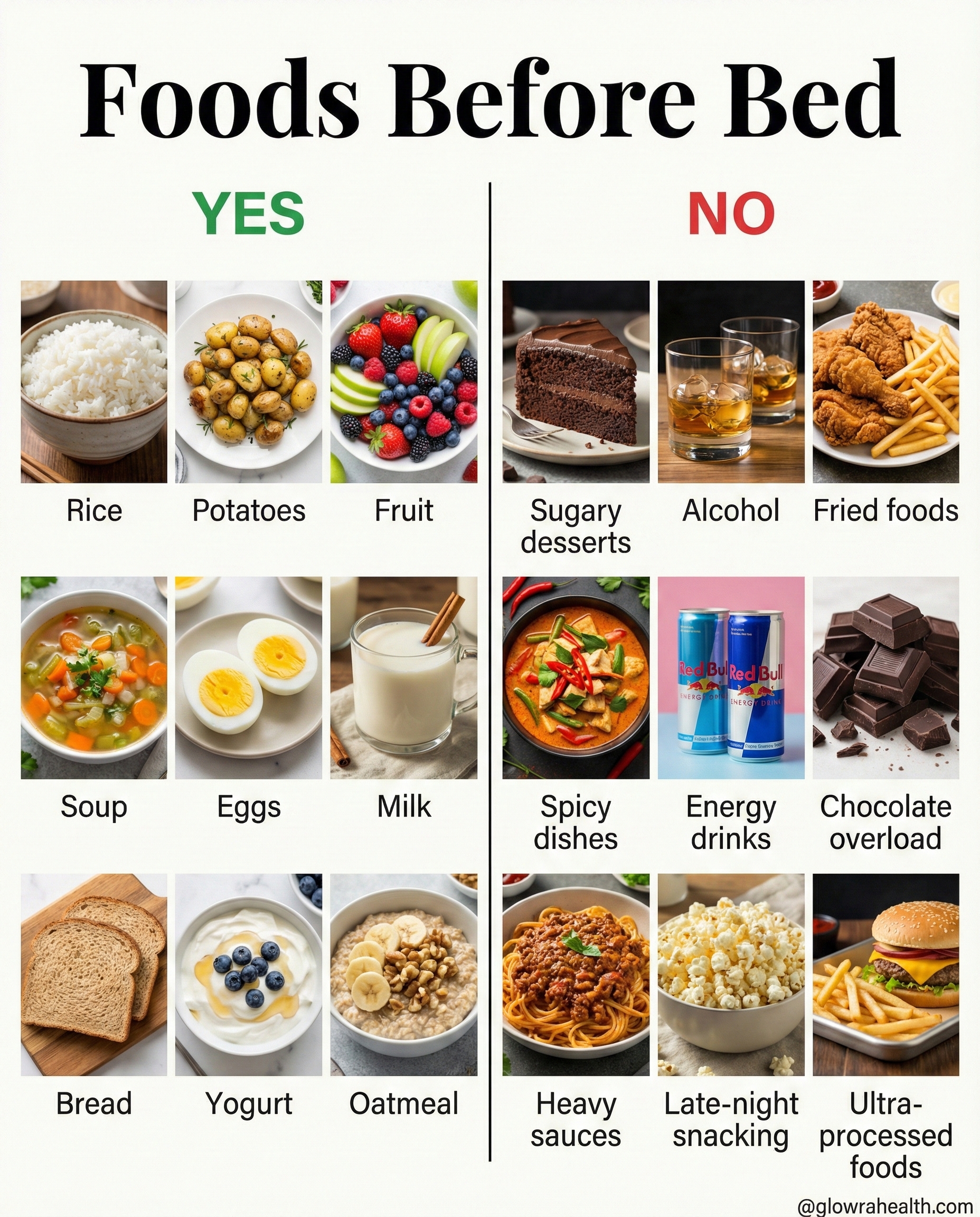
The “YES” Foods Before Bed
These choices tend to be calmer on your stomach and less likely to disrupt sleep when eaten in a small portion.
Rice
Rice is mild and easy to digest for many people. A small bowl can feel comforting without being too heavy, especially if your dinner was early.
Potatoes
Potatoes can be soothing and filling. They provide slow energy that may help you avoid waking up hungry at 2 a.m.
Fruit
Fruit can satisfy a sweet craving without the heavy crash that comes from desserts. Keep it light and simple, especially if you are sensitive to reflux.
Soup
Warm soup often feels “easy” on the gut. It can also be hydrating, which helps when you feel dry or snacky at night.
Eggs
Eggs are a steady, satisfying option that can reduce late-night cravings. For many people, a small egg-based snack feels more balanced than something sugary.
Milk
Milk is a classic bedtime choice. Some people find it relaxing and filling. If dairy bothers you, this might not be your best pick, but it can be calming for others.
Bread
Bread can settle the stomach and take the edge off hunger. The key is not turning it into a heavy meal with rich toppings late at night.
Yogurt
Yogurt can feel light while still being satisfying. It is a common choice for people who want something small without feeling overly full.
Oatmeal
Oatmeal is warm, gentle, and steady. It can help you feel comfortably full and may reduce the urge to keep snacking.

The “NO” Foods Before Bed
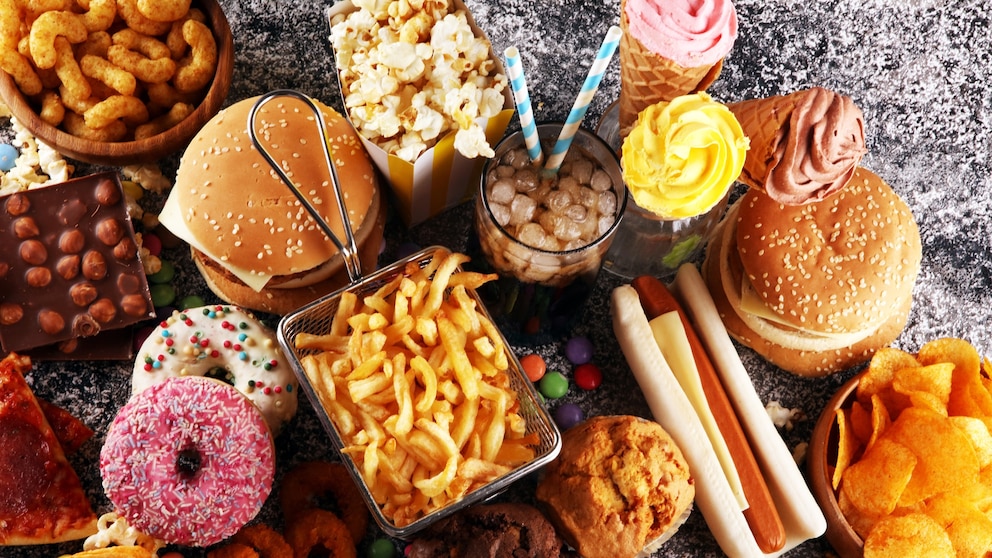
These tend to trigger reflux, bloating, dehydration, blood sugar spikes, or a wired feeling – especially close to bedtime.
Sugary desserts
Sugary desserts can spike blood sugar fast and then drop it later. That rollercoaster can lead to restless sleep or waking up hungry.
Alcohol
Alcohol may make you sleepy at first, but it often fragments sleep later in the night. Many people wake up more often and feel less refreshed.
Fried foods
Fried foods sit heavy and digest slowly. This can cause discomfort, bloating, and a “stuck” feeling that makes it harder to relax.
Spicy dishes
Spicy dishes commonly trigger heartburn or throat irritation when you lie down. If you are reflux-prone, this one is a frequent culprit.
Energy drinks
Energy drinks are basically a sleep-stopper. They can raise heart rate and keep your brain alert long after you want to wind down.
Chocolate overload
Chocolate overload can be surprisingly stimulating for some people. It can also feel heavy late at night, especially in large amounts.
Heavy sauces
Heavy sauces add richness and fat that can slow digestion. That increases the chance of reflux and nighttime stomach discomfort.
Late-night snacking
Late-night snacking often turns into grazing without noticing portions. The more your stomach is working, the harder it can be to fall asleep deeply.
Ultra-processed foods
Ultra-processed foods can be salty, greasy, and easy to overeat. They often leave you thirsty, puffy, and not as calm by bedtime.
Quick Safety Notes (Important)
- If you have diabetes, GERD, IBS, or food intolerances, bedtime foods can affect you differently.
- If you regularly wake up choking, coughing, or with burning in your throat, consider speaking with a clinician to rule out reflux issues.
- The best bedtime snack is the one that feels light, calming, and consistent for your body.