Digestive discomfort, unexplained bloating, and irregular bowel movements are more common than most people admit. Many cultures have long relied on specific foods to support gut balance and microbial harmony.
What most people misunderstand is this. Supporting the body’s natural cleansing process does not mean harsh detoxes or extreme protocols. Traditional foods can gently assist digestion and help create an environment where unwanted organisms struggle to thrive.
1. Garlic
Garlic contains sulfur compounds like allicin that are widely studied for antimicrobial support.
It helps create an unfriendly environment for harmful gut organisms while supporting immune defense.
Add it raw to dressings or lightly cook it into meals for daily use.
2. Pumpkin Seeds
Pumpkin seeds contain cucurbitacin compounds, traditionally linked to intestinal cleansing.
They may help limit parasite attachment in the digestive tract.
Enjoy them raw, lightly roasted, or blended into smoothies.

3. Papaya Seeds
Papaya seeds have been used traditionally for gut cleansing support.
They are rich in enzymes and plant compounds that aid digestion.
Crush a small amount and mix with honey or yogurt.
4. Cloves
Cloves are rich in eugenol, a compound with strong antimicrobial properties.
They are traditionally used to support the elimination of parasite eggs.
Use ground cloves in teas or sprinkle lightly into warm foods.
5. Oregano Oil
Oregano oil offers potent antimicrobial support due to compounds like carvacrol.
It is commonly used in very small, diluted amounts.
This is best taken under guidance due to its strength.
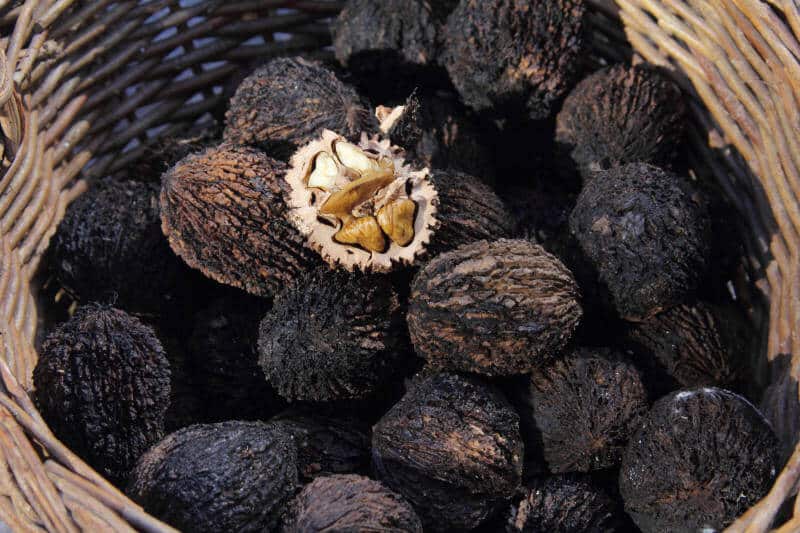
6. Black Walnut Hull
Black walnut hull has a long history as a traditional intestinal cleanser.
It contains juglone and tannins that support gut balance.
Typically used in extracts or teas, not as a food ingredient.
7. Ginger
Ginger supports digestion and gut movement.
It helps reduce bloating and supports natural elimination.
Drink as tea, add to soups, or use fresh in cooking.
8. Turmeric
Turmeric provides anti-inflammatory and gut-supportive benefits.
Curcumin supports the intestinal lining and microbial balance.
Combine with black pepper for better absorption.
9. Pineapple
Pineapple contains bromelain, an enzyme that supports protein digestion.
It may help break down waste material in the gut.
Eat fresh pineapple between meals for best effect.
10. Coconut Oil
Coconut oil contains lauric acid, known for antimicrobial support.
It helps support beneficial gut bacteria while limiting harmful overgrowth.
Use in cooking or add a small amount to warm drinks.
11. Thyme
Thyme helps control microbial overgrowth in the digestive tract.
It has natural antibacterial and antifungal properties.
Use fresh or dried thyme in cooking or as a mild tea.
12. Neem Leaves
Neem leaves are a traditional gut cleansing plant in many cultures.
They support intestinal balance and immune health.
Often consumed as tea or powdered supplement in small amounts.

When You’ll Notice Changes
Most people notice reduced bloating and improved digestion within 7–14 days.
Deeper gut balance may take 3–4 weeks with consistent intake.
This process is gradual and should feel supportive, not harsh.
Simple Safety Notes
- These foods support gut health but do not replace medical treatment
- Avoid concentrated oils or extracts during pregnancy
- Start with small amounts to assess tolerance
- Consult a healthcare provider if symptoms persist
Final Takeaway
Supporting your gut does not require extreme cleanses. Traditional foods can gently assist digestion, promote balance, and help your body do what it is designed to do naturally.
Save this guide if you want to try it later. Share this with someone who needs gentle digestive support today.