Nerve health plays a quiet but important role in overall well-being, influencing everything from movement to mood.
Below is a closer look at how certain vitamins are commonly associated with supporting nerve function and everyday comfort.
Understanding the Importance of Nerve Health
The nervous system is a complex network that helps regulate nearly every function in the body, from voluntary actions like walking to involuntary processes such as breathing.
When nerves are functioning well, most people rarely think about them. However, when nerve-related discomfort appears, it can noticeably affect daily life. For this reason, vitamins are often discussed as supportive elements when people look for ways to maintain nerve health over time.
Vitamin B12: A Key Player in Nerve Function
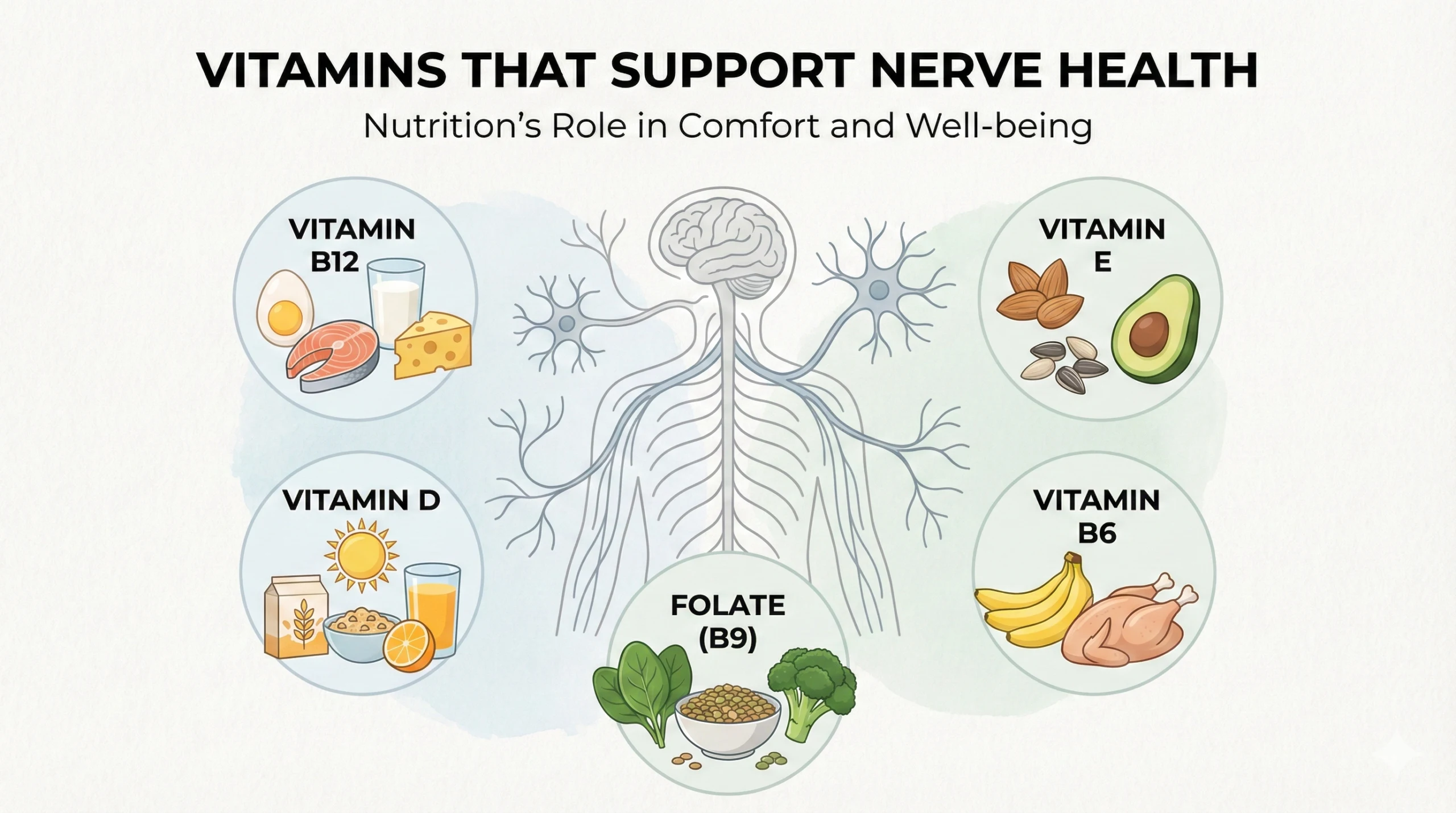
Vitamin B12 is widely known for its role in supporting the protective covering around nerves, often referred to as myelin.
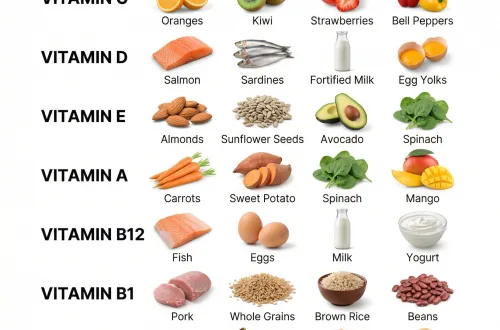
When B12 levels are low, some individuals report sensations such as tingling in the hands or feet, or changes in balance. Dietary sources of vitamin B12 include meat, fish, eggs, and dairy products. Those following plant-based diets may rely on fortified foods or supplements to meet their needs.
The Role of Vitamin D in Nerve Health
Vitamin D is commonly associated with bone health, but it is also linked to nervous system support.
Adequate vitamin D levels are often discussed in relation to inflammatory balance and general nerve comfort. Some research has observed connections between vitamin D status and conditions affecting the central nervous system, which is why many people pay attention to their vitamin D intake.
Vitamin E: Protecting Nerves from Oxidative Stress
Oxidative stress is a natural process that can affect cells throughout the body, including nerve cells. Vitamin E functions as an antioxidant, helping protect cells from everyday oxidative damage.
Foods such as nuts, seeds, and leafy green vegetables are common dietary sources of vitamin E and are frequently included in nutrition patterns focused on overall wellness.
How Vitamin B6 Supports Neurotransmitter Production
Vitamin B6 is involved in the production of neurotransmitters, which help transmit signals between nerve cells.
Because of this role, vitamin B6 is often mentioned in discussions about brain function, mood, and nervous system balance. Common food sources include poultry, fish, potatoes, chickpeas, bananas, and fortified cereals.
Folic Acid’s Contribution to Nervous System Development
Folic acid, also known as vitamin B9, is especially important during periods of rapid growth, such as pregnancy and adolescence, due to its role in nervous system development.
Leafy greens, citrus fruits, beans, and whole grains are widely recognized dietary sources of folate and are commonly recommended as part of balanced eating patterns.
Common Questions About Vitamins for Nerve Health
One common question people ask is whether vitamin supplements can reverse nerve damage. While vitamins are often discussed as supportive for nerve repair and symptom management, they are generally not considered a way to fully reverse existing damage.
Another frequent question involves dosage and whether supplements are necessary. Nutrient needs can vary depending on age, diet, and individual health factors, which is why many people choose to seek professional guidance.
People also wonder whether it’s possible to get all essential vitamins through food alone. In many cases, a balanced diet can provide sufficient nutrients, though certain lifestyles or conditions may increase the need for supplementation.
This content is for general wellness and educational purposes only. Individual responses vary, and it is not intended as medical advice.
Sources
https://www.healthline.com/nutrition/vitamin-b12-benefits
https://www.medicalnewstoday.com/articles/161618#benefits-of-vitamin-d
https://www.ncbi.nlm.nih.gov/pmc/articles/PMC3257651/