Discover science-backed foods that nourish hair follicles, reduce hair loss, and support healthy hair growth from the inside.
Hair loss, thinning hair, and premature graying are increasingly common problems in modern life. Chronic stress, nutrient deficiencies, hormonal imbalances, inflammation, and poor circulation all interfere with the hair growth cycle.
From a scientific standpoint, hair follicles are among the most metabolically active structures in the body. They require a constant supply of protein, iron, zinc, essential fatty acids, vitamins, and antioxidants to maintain normal growth and regeneration.
Traditional Chinese Medicine (TCM) has long associated hair health with the condition of Blood and Kidney essence (Jing). While these concepts differ from Western medicine, many foods traditionally used for hair nourishment are now supported by modern nutritional research when interpreted through nutrient physiology.
Why Nutrition Is Critical for Hair Growth
Hair grows in cycles:
- Anagen (growth phase)
- Catagen (transition phase)
- Telogen (resting and shedding phase)
Nutritional deficiencies can shorten the growth phase and push follicles prematurely into shedding. Research consistently links hair loss with deficiencies in:
- Iron
- Zinc
- Vitamin D
- Protein
- Essential fatty acids
- Certain B vitamins
Correcting these deficiencies does not create instant regrowth, but it restores the biological environment necessary for healthy hair production.
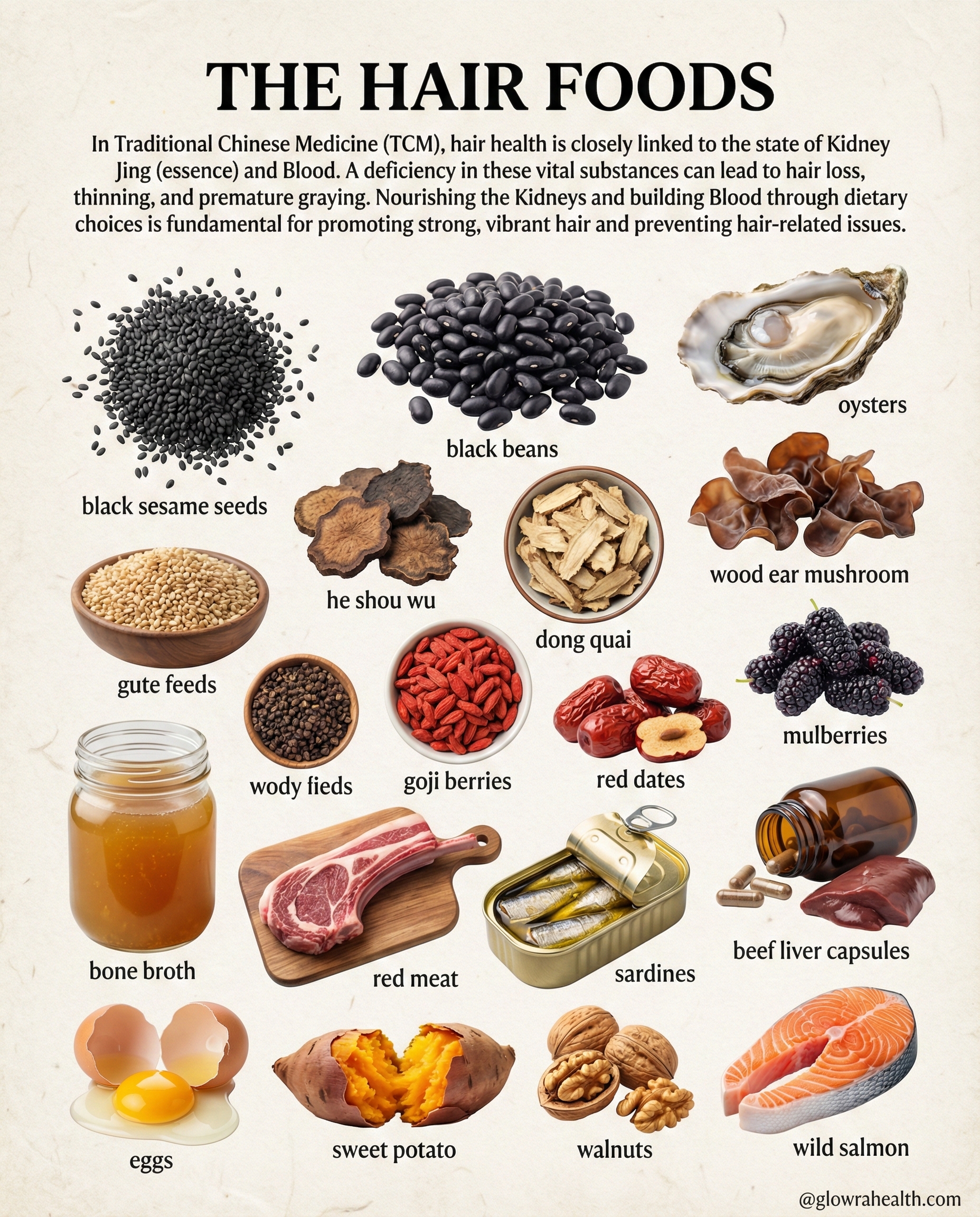
Foods for Hair Growth (Complete Scientific Breakdown)
1. Black Sesame Seeds
Black sesame seeds are rich in polyunsaturated fats, calcium, iron, zinc, and antioxidant lignans. These nutrients support scalp circulation and reduce oxidative stress at the follicle level. Iron and zinc deficiencies are both associated with increased hair shedding.
2. Black Beans
Black beans provide plant-based protein, iron, zinc, folate, and biotin. Protein is the structural foundation of keratin, while iron supports oxygen delivery to growing follicles.
3. Oysters
Oysters are one of the most concentrated natural sources of zinc. Zinc is essential for hair follicle recovery, cell division, and oil gland regulation around the scalp.
4. Wood Ear Mushroom
Wood ear mushrooms contain iron, polysaccharides, and antioxidant compounds. Iron deficiency is a well-established cause of diffuse hair loss, particularly in menstruating women.
5. He Shou Wu (Polygonum multiflorum)
Traditionally used in TCM for hair vitality and pigmentation. Some laboratory studies suggest antioxidant and anti-aging properties, but clinical evidence is limited, and liver toxicity has been reported with improper use. Medical supervision is advised.
6. Dong Quai
Dong quai contains compounds that may influence blood circulation. Adequate blood flow supports nutrient delivery to hair follicles, although direct evidence for hair growth remains limited.
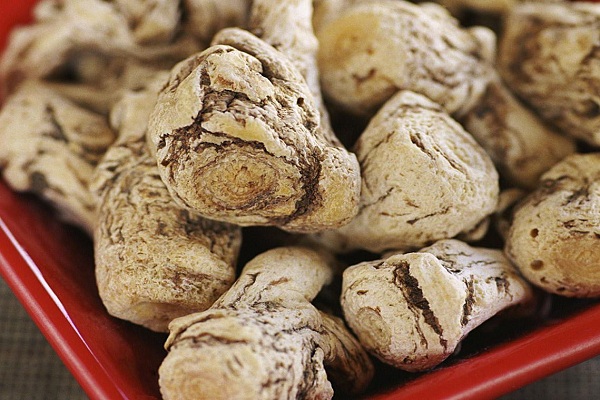
Dried Dong Quai
7. Goji Berries
Goji berries provide vitamin C, carotenoids, and polyphenols. Vitamin C enhances iron absorption and supports collagen synthesis, which indirectly benefits hair structure.
8. Red Dates (Jujube)
Red dates contain iron, vitamin C, and flavonoids. These nutrients support red blood cell formation and antioxidant protection.
9. Mulberries
Mulberries offer iron, vitamin C, and anthocyanins, which contribute to oxygen delivery and reduce oxidative stress around follicles.
10. Gute Feeds (Grain-Based Foods)
These grains provide B vitamins, magnesium, and trace minerals involved in cellular energy metabolism within hair follicles.
11. Wody Fieds (Seeds or Grains)
Contain zinc, selenium, and plant antioxidants. Selenium supports thyroid function, which indirectly affects hair growth cycles.
12. Bone Broth
Bone broth supplies collagen peptides, glycine, proline, and minerals. These amino acids are structural components of keratin and connective tissue.
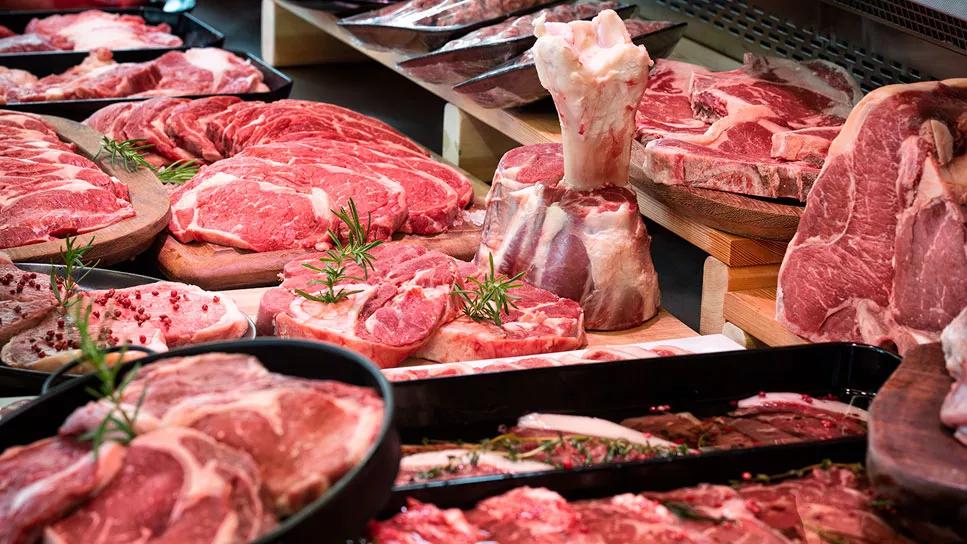
13. Red Meat
Red meat is a top source of heme iron, zinc, vitamin B12, and protein. Iron deficiency anemia is one of the most common nutritional causes of hair loss.
14. Sardines
Sardines provide omega-3 fatty acids, vitamin D, calcium, and protein. Omega-3s reduce inflammatory signaling that can disrupt follicle activity.
15. Beef Liver Capsules
Beef liver is rich in vitamin A, iron, copper, and B12. While these nutrients support cell renewal, excess vitamin A may trigger hair loss if overdosed.
16. Eggs
Eggs contain complete protein, biotin, sulfur, and zinc. Biotin supports keratin infrastructure, particularly in individuals with underlying deficiencies.
17. Sweet Potato
Sweet potatoes are high in beta-carotene, which converts to vitamin A. Vitamin A supports sebum production, helping maintain scalp moisture and follicle health.
18. Walnuts
Walnuts provide omega-3 fatty acids, vitamin E, and zinc. Vitamin E is an antioxidant shown to improve hair density in deficient individuals.
19. Wild Salmon
Wild salmon offers omega-3s, vitamin D, selenium, and protein. Vitamin D plays a role in hair follicle cycling and immune regulation.
Additional Hair-Supporting Supplements
These supplements have scientific evidence supporting their role in hair health when deficiencies are present:
- Biotin – Supports keratin synthesis
- Iron (only if deficient) – Corrects anemia-related shedding
- Vitamin D3 – Low levels correlate with hair loss
- Omega-3 Fish Oil – Reduces follicular inflammation
- Zinc – Supports follicle repair
- Collagen Peptides – Provide amino acids for hair structure
How to Build a Hair-Supportive Diet
- Include adequate protein daily
- Pair iron-rich foods with vitamin C
- Consume healthy fats consistently
- Avoid extreme calorie restriction
When to Expect Results
- 3–4 weeks: Reduced shedding
- 8–12 weeks: Improved texture and strength
- 3–6 months: Visible regrowth
Hair growth is slow and requires long-term consistency.
Safety Notes
- Excess iron, zinc, or vitamin A may worsen hair loss
- Supplements should be personalized with blood tests
- Herbal remedies require professional supervision
Trusted Scientific Sources & References
- https://ods.od.nih.gov/factsheets/Iron-Consumer/
- https://ods.od.nih.gov/factsheets/VitaminD-Consumer/
- https://www.aad.org/public/diseases/hair-loss
- https://www.health.harvard.edu/staying-healthy/nutrients-that-may-help-with-hair-loss
Final Takeaway
Healthy hair growth depends on long-term nutritional sufficiency, not quick fixes. Feeding your body correctly creates the biological conditions your hair follicles need to function optimally.
Save this guide if you want to revisit it later.
Share it with someone who’s struggling with hair thinning today.