The first weeks after birth can feel like a blur of feeding, healing, and trying to sleep in tiny pockets of time. Your body is doing something huge in the background too. It is repairing tissue, rebuilding blood volume, stabilizing mood, and (for many moms) making milk.
That is why traditional postpartum care often centers on warmth, minerals, and deeply nourishing meals. In TCM language, it is about rebuilding blood, nourishing Yin, and anchoring your reserves. In modern nutrition terms, it often means protein, iron, healthy fats, fluids, and easy-to-digest carbs.
Most people never realize this works because postpartum recovery is rarely helped by “perfect eating.” It is helped by consistent, simple foods you can actually tolerate and repeat.
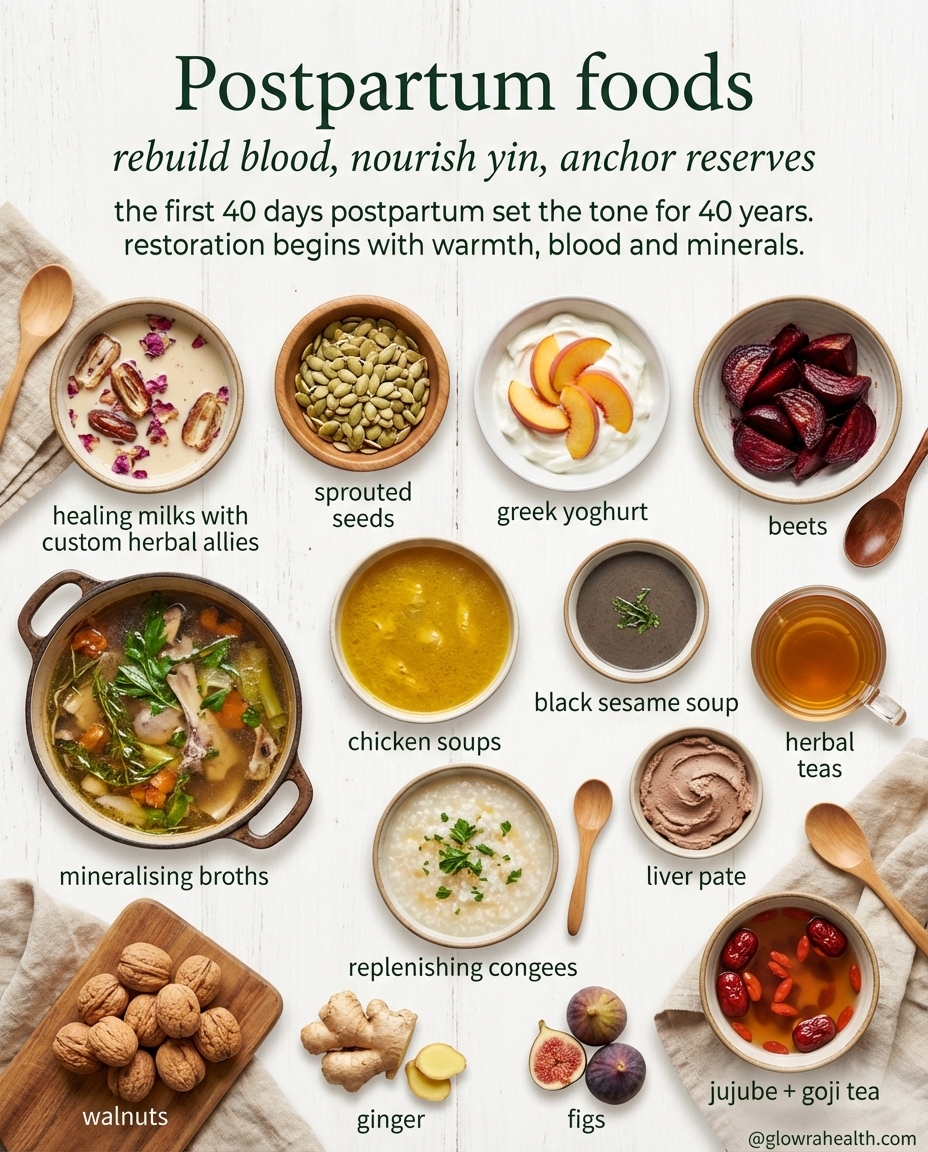
1. Healing milks with custom herbal allies
A warm “healing milk” can be a gentle way to add calories, protein, and comfort – especially when appetite is low.
How to use it
- Drink warm in the morning or before bed.
- Keep it lightly sweet to avoid energy crashes.
Safety note
If you add herbs, choose breastfeeding-safe options and avoid strong herbal blends unless cleared by your clinician or lactation consultant.
2. Sprouted seeds
Sprouted seeds offer nutrients and healthy fats in a small volume, which can be helpful when you are snack-eating between feeds.
How to use it
- Sprinkle on yogurt or congee.
- Add to soups right before serving for texture.
Safety note
Store properly and use fresh. If they have an “off” smell or slimy texture, skip them.
3. Greek yoghurt
Greek yogurt is quick protein, calcium, and a soothing option if you want something cold and easy.
How to use it
- Eat with figs or a drizzle of honey.
- Add a spoonful to warm foods after they cool slightly.
Tip
If dairy feels too heavy, try smaller portions and pair with ginger tea.
4. Beets
Beets are a classic “rebuild blood” food in many traditions and a practical way to add color, fiber, and natural sweetness.
How to use it
- Roast and add to bowls.
- Blend into soup for a smoother texture.
Reality check
They can turn urine or stool pink/red. That can be normal after eating beets.
5. Mineralising broths
Broths are postpartum gold because they hydrate, warm the belly, and are easy to sip even when you feel exhausted.
How to use it
- Drink as a snack between meals.
- Use as the base for congee or chicken soup.
Make it more filling
Add shredded chicken, soft-cooked veggies, or a spoon of black sesame paste on the side.
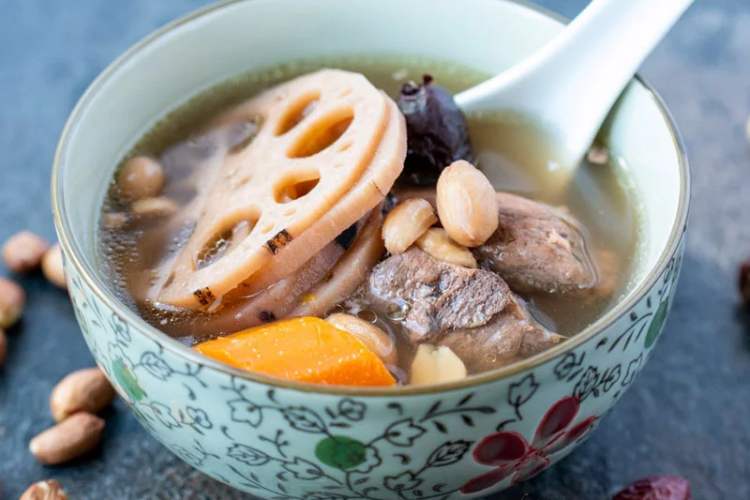
6. Chicken soups
Chicken soup is a simple recovery meal because it combines protein + fluid + warmth in one bowl.
How to use it
- Eat at lunch when energy tends to dip.
- Make a big pot and reheat as needed.
Quick upgrade
Add ginger slices while simmering for extra comfort.
7. Black sesame soup
Black sesame is often used in postpartum menus for “anchoring reserves,” and it is a dense source of fats and calories.
How to use it
- Enjoy warm as an evening snack.
- Keep the portion small but consistent.
Tip
If digestion is sensitive, start with a few spoonfuls and increase slowly.
8. Herbal teas
Herbal tea can support hydration and give you a calming “pause” in the day.
How to use it
- Sip warm between feeds.
- Rotate teas instead of drinking one strong tea all day.
Safety note
Some herbs can affect milk supply or interact with medications. If you are breastfeeding, keep it gentle and check ingredients.
9. Replenishing congees
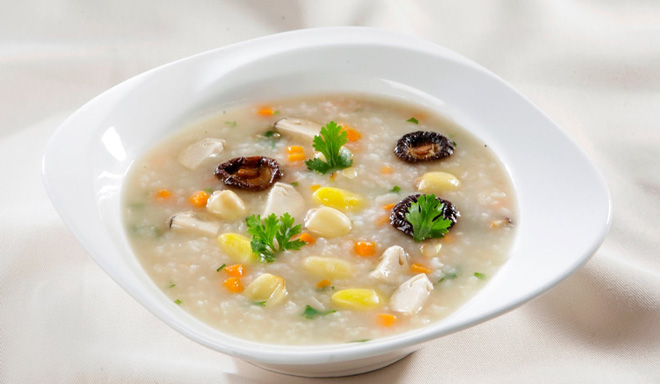
Congee is one of the easiest postpartum foods to digest. It is warm, soft, and comforting when your stomach feels unsettled.
How to use it
- Eat for breakfast with a pinch of salt.
- Build it up with broth, egg, chicken, or sesame.
Why it helps
It is a low-effort way to get steady carbs that support energy and mood.
10. Liver pate
Liver pâté is nutrient-dense and traditionally used to “rebuild blood,” largely because it is rich in iron and vitamin A.
How to use it
- Think small portions, not daily large servings.
- Pair with warm soup or congee for easier digestion.
Safety note
Avoid stacking liver with high-dose vitamin A supplements. If you are unsure, ask your clinician—especially while breastfeeding.
11. Walnuts
Walnuts are a quick, one-hand snack that adds healthy fats and calories.
How to use it
- Eat a small handful mid-morning.
- Add to yogurt or sprinkle on congee for crunch.
Tip
Keep them near your nursing station so you actually remember to eat them.
12. Ginger
Ginger is a postpartum staple for warmth and digestion support.
How to use it
- Add slices to soup and broth.
- Make a simple ginger tea (fresh ginger + hot water).
Gentle reminder
If you have reflux, start with a smaller amount.
13. Figs
Figs add natural sweetness and fiber, which can be helpful when postpartum digestion slows down.
How to use it
- Pair with Greek yogurt.
- Chop into warm porridge or congee once it cools slightly.
14. Jujube + goji tea
This tea is traditionally used to support “blood and calm,” and it can be a soothing alternative to constant caffeine.
How to use it
- Sip in the afternoon when you want warmth.
- Keep it mild, not overly concentrated.
Safety note
If you are breastfeeding or on medications, check that the tea ingredients fit your situation.

How to Build a Simple Postpartum Day Using These Foods
If you want an easy rhythm, try this:
- Morning: replenishing congees + ginger
- Mid-morning: greek yoghurt + figs + sprouted seeds
- Lunch: chicken soups or mineralising broths
- Afternoon: jujube + goji tea or herbal teas + walnuts
- Evening: black sesame soup (small bowl) + warm broth
When You’ll Notice Relief (Realistic Timeline)
- Within 24–72 hours: Many moms feel more stable with warm fluids, broths, and soups, especially if appetite is low.
- Within 1–2 weeks: Energy can feel steadier when you repeat protein + warm carbs daily.
- By weeks 3–6: The “foundation” starts to show—less crash-y hunger, better digestion, and a more supported mood (alongside sleep and support).
Quick Safety Notes
- Prioritize food safety when you are tired. Reheat soups thoroughly and store leftovers promptly.
- Go gentle with herbs, especially if breastfeeding or taking medications.
- If you have heavy bleeding, dizziness, severe mood symptoms, thyroid concerns, or signs of infection, food is not enough. Please contact a healthcare professional.
Final Takeaway
Postpartum recovery is not about doing everything perfectly. It is about repeating the basics: warmth, fluids, minerals, and nourishing calories – one bowl at a time.