If you’re searching for activated charcoal teeth whitening, you’re probably dealing with yellow stains from coffee, tea, or smoking, and you want something natural that actually shows results.
Activated charcoal can make teeth look brighter — but only if you understand what it does, what it doesn’t, and how to use it correctly.
Why Activated Charcoal Seems Effective
Activated charcoal removes surface stains by gently scraping and binding to discoloration. That’s why people trying natural teeth whitening at home often see results after the first use.
But charcoal does not whiten enamel. Overuse can thin enamel, which leads many people to later search why are my teeth getting yellower after whitening or is charcoal toothpaste bad for enamel.
That’s where proper use matters.
The Correct Way to Use Activated Charcoal (Less Risky Method)
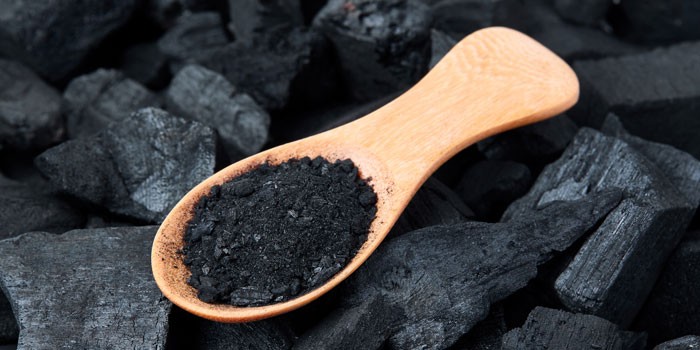
Ingredients
-
½ teaspoon food-grade activated charcoal powder
-
1–2 teaspoons water
(Avoid lemon or vinegar — acids increase enamel damage)
How to Use
-
Mix charcoal with water to form a thin paste.
-
Apply to teeth using a soft toothbrush.
-
Brush very gently for 30–60 seconds only.
-
Rinse thoroughly.
-
Brush again with fluoride toothpaste to help remineralize enamel.
How Often
-
Maximum: once per week
-
Not suitable for daily use
This method aligns with guidance behind searches like how often to use charcoal toothpaste and safe charcoal teeth whitening.
Common Mistakes That Cause Damage
-
Using charcoal daily
-
Brushing aggressively
-
Mixing charcoal with lemon juice
-
Skipping fluoride toothpaste afterward
These mistakes explain why many people experience sensitivity and then search for best whitening toothpaste for sensitive teeth.
Who Should Avoid Charcoal Whitening
-
People with sensitive teeth
-
Thin or worn enamel
-
Gum recession
-
Dental work (veneers, crowns, braces)
If that’s you, charcoal will likely cause more harm than benefit.
The Real Takeaway
Activated charcoal teeth whitening is a short-term cosmetic fix, not a long-term solution. Used rarely and gently, it may help with surface stains. Used often, it can quietly damage enamel and worsen discoloration over time.
Once you understand this, it’s clear why so many people eventually switch to low-abrasion whitening toothpaste or professional options.