Fruit trees you can grow indoors make it possible to enjoy fresh fruit at home—even without a garden or outdoor space.
Growing fruit at home doesn’t require a backyard.
With the right varieties, many fruit trees can thrive indoors, producing real fruit while adding greenery to living spaces.
This guide covers fruit trees that grow well in containers, tolerate indoor light conditions, and are suitable for apartments, balconies, or bright rooms.
Why Fruit Trees You Can Grow Indoors Work Well in Containers
Not all fruit trees adapt well to indoor environments.
The best indoor fruit trees usually share these traits:
-
Naturally compact or dwarf varieties
-
Ability to grow in containers
-
Moderate light requirements
-
Tolerance to stable indoor temperatures
-
Slower growth that’s easy to manage
Choosing the right type matters more than experience level.
Citrus Trees (Indoor-Friendly & Productive)
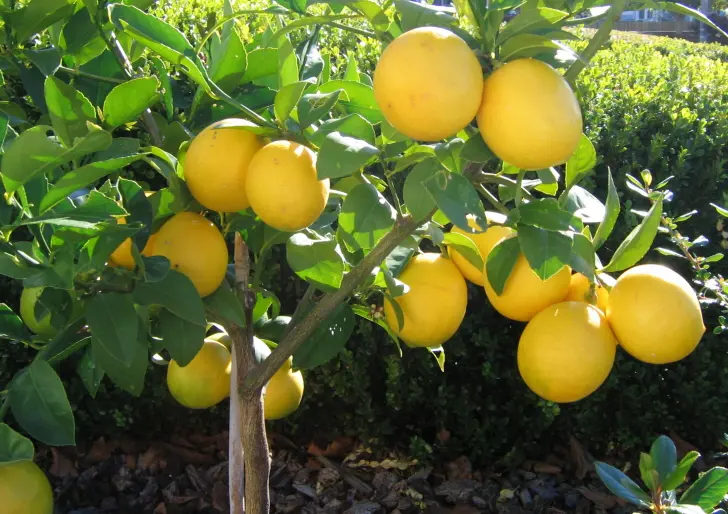
1. Dwarf Lemon (Meyer Lemon)
-
Compact growth
-
Fragrant flowers
-
Produces fruit reliably indoors with bright light
2. Key Lime
-
Smaller leaves and fruit
-
Well-suited for containers
-
Performs best near sunny windows
3. Calamondin Orange
-
Highly decorative
-
Produces small, tart oranges
-
One of the most popular indoor citrus trees
Why citrus works indoors:
They adapt well to pots and benefit from consistent indoor temperatures.
Small Fruit Trees for Containers
4. Fig (Petite Negra)
-
Naturally compact fig variety
-
Produces sweet fruit even in containers
-
Tolerates partial indoor light
5. Pomegranate
-
Slow-growing
-
Ornamental flowers and fruit
-
Works well as a container tree
6. Guava
-
Tropical fruit with manageable size
-
Needs warmth and good light
-
Can fruit indoors with patience
Tropical & Warm-Climate Indoor Options
7. Dwarf Banana (Cavendish)
-
Large leaves, dramatic look
-
Requires space and bright light
-
Grown more for foliage, but can fruit indoors
8. Avocado
-
Easy to grow from seed
-
Slow growth indoors
-
Often grown for greenery rather than harvest
9. Coffee Plant
-
Glossy leaves
-
Produces coffee cherries in ideal conditions
-
Thrives in bright, indirect light
Mediterranean-Style Indoor Trees
10. Olive (Dwarf Variety)
-
Compact varieties adapt to containers
-
Tolerates dry indoor air better than many fruits
-
Primarily ornamental indoors, but can fruit
Berry & Small-Fruit Indoor Trees
11. Mulberry
-
Compact container varieties available
-
Can produce fruit with sufficient light
-
Hardy and adaptable
12. Blueberry (Dwarf Varieties)
-
Requires acidic soil
-
Works in pots with proper care
-
Good option for bright indoor spaces
Additional Indoor Fruit Tree Options
13. Kumquat
-
Small citrus fruit
-
Decorative and edible
-
Ideal for pots
14. Loquat
-
Slow-growing evergreen
-
Can be trained as a container tree
15. Pineapple (Container Grown)
-
Grown from crown
-
Long growth cycle
-
Works indoors with bright light

16. Passionfruit (Compact Varieties)
-
Vining plant
-
Needs support and strong light
-
Grown more as an indoor feature plant
17. Papaya (Dwarf Types)
-
Fast-growing
-
Requires warmth and space
-
Often grown experimentally indoors
18. Cherry (Dwarf Varieties)
-
Suitable for large containers
-
Requires good airflow and light
19. Peach (Miniature Varieties)
-
Slow growth in containers
-
Needs pruning to stay manageable
20. Apple (Columnar or Dwarf Types)
-
Best for large pots and bright rooms
-
Grown more for novelty indoors
Tips for Growing Fruit Trees Indoors Successfully
To improve success indoors:
-
Place plants near south-facing or bright windows
-
Rotate pots regularly for even growth
-
Use well-draining soil
-
Avoid overwatering
-
Expect slower fruiting than outdoor trees
Indoor fruit trees are long-term plants, not fast harvests.
Final Takeaway
You don’t need outdoor space to grow fruit.
With the right varieties, fruit trees can thrive indoors—adding greenery, structure, and even harvestable fruit to your home.
Whether your goal is edible fruit, decorative plants, or both, container-grown fruit trees make indoor gardening accessible year-round.
According to the Royal Horticultural Society, many dwarf citrus and fig varieties adapt well to container growing with sufficient light.