If you’ve been dealing with hair shedding, breakage, or a scalp that just feels “off,” a simple DIY onion hair growth oil is one of those old-school routines many people swear by. It won’t magically change your hair overnight, but it can support a healthier scalp environment and help hair feel stronger and softer over time.
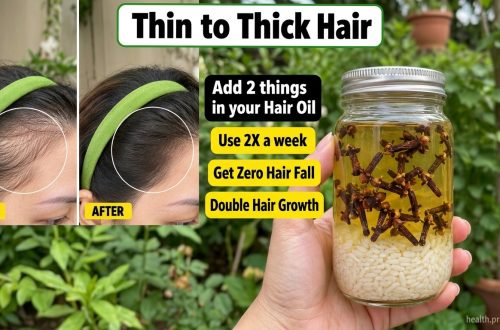
This recipe uses just four ingredients: red onion, cloves, coconut oil, and a small amount of castor oil. You’ll also get the safest way to make it (fresh onion can spoil faster), how to use it without the greasy mess, and what to buy if you want better results and less irritation.
Onion hair growth oil recipe (red onion + clove infusion)
Ingredients
-
1 red onion, chopped
-
1 tablespoon whole cloves
-
100 ml coconut oil (about 3.4 fl oz)
-
1 teaspoon castor oil
Tools you’ll want
-
Small saucepan or double boiler
-
Fine mesh strainer or cheesecloth
-
Clean, dry glass jar
-
Funnel (optional, but makes life easier)
-
Amber glass dropper bottle or scalp applicator bottle for storage
How to make onion hair growth oil (safer quick-infusion method)
Fresh onion contains water. Water in oil can shorten shelf life, so the goal is a gentle warm infusion that reduces moisture without burning anything.
Step-by-step
-
Chop the onion into small pieces (smaller pieces infuse faster).
-
Add coconut oil + cloves to a small pan. Turn heat to low.
-
Add the chopped onion and let it warm gently for 10–15 minutes.
You want light sizzling, not frying. Stir occasionally. -
Turn off the heat and let the oil cool completely.
-
Strain well using a fine strainer or cheesecloth. Press lightly to get the oil out, but don’t leave onion bits behind.
-
Stir in castor oil (1 teaspoon) once the mixture is cool.
-
Bottle it in a clean, dry container.
Optional (for less odor)
-
Add 2–4 drops of a scalp-friendly essential oil only if you tolerate it (many people choose lavender). Skip this if you’re sensitive.
How to use onion hair growth oil (simple routine)
Best way to apply
-
Start with 1–2 teaspoons for the whole scalp.
-
Part your hair and apply directly to the scalp (a scalp applicator bottle helps a lot).
-
Massage for 2–3 minutes with fingertips.
How long to leave it on
-
30–60 minutes is a good starting point.
-
If your scalp tolerates it well, you can leave it on longer, but don’t force “overnight” if you get itching.
How often to use it
-
1–3 times per week is plenty for most people.
How to wash it out easily
-
Shampoo twice (a gentle, sulfate-free shampoo often feels less harsh).
-
If your hair feels coated, apply shampoo to dry hair first, then add water and lather.
What results to expect (and what not to expect)
This oil may help your hair feel healthier by conditioning strands and supporting scalp comfort. Some people also find scalp massage routines help reduce breakage over time.
What it can’t promise:
-
Instant stopping of shedding
-
“Regrow hair fast” results in days
-
Fixing sudden hair loss caused by hormones, illness, or medications
If shedding is sudden, severe, or comes with scalp pain, it’s worth checking in with a dermatologist.
Common mistakes (and quick fixes)
Mistake: Heating it too high
What happens: burnt smell, irritation risk
Fix: keep it on low heat, and stop once it’s gently infused (10–15 minutes)
Mistake: Storing onion pieces in the oil
What happens: faster spoilage, funky smell, possible mold
Fix: strain thoroughly and store only the filtered oil
Mistake: Using too much castor oil
What happens: heavy, sticky hair that won’t wash out
Fix: keep castor oil to 1 teaspoon per 100 ml (or less for fine hair)
Mistake: Applying to an irritated scalp
What happens: stinging, redness
Fix: pause, patch test, and switch to a simpler oil routine (plain coconut or jojoba)
Safety notes (don’t skip this)
-
Patch test first: apply a tiny amount behind the ear or on inner arm and wait 24 hours.
-
Avoid broken skin: don’t apply to cuts, active rash, or severe dandruff flare-ups.
-
Fresh onion + oil = shorter shelf life: keep it clean and dry, and don’t let water get into the bottle.
-
Stop if you feel burning or intense itching.
Storage: how long it lasts
-
Store in a cool, dark place (an amber glass bottle helps).
-
Best used within 1–2 weeks if you used fresh onion.
-
If anything smells “off,” looks cloudy in a weird way, or you see sediment you didn’t have before, toss it and remake a smaller batch.
Buying guide: what to look for (and what to avoid)
If you’re making onion hair growth oil (or buying something similar), quality matters more than fancy labels.
What to look for
-
Unrefined or extra virgin coconut oil for a cleaner base
-
Cold-pressed castor oil (a little goes a long way)
-
Whole cloves that still smell strong (stale cloves won’t infuse well)
-
Amber glass bottle or a scalp applicator bottle to keep it fresh and easy to use
-
Cheesecloth or a fine mesh strainer for a cleaner final oil
What to avoid
-
Oils with a strong “perfume” scent (can be irritating)
-
Mystery blends with lots of added fragrance
-
Bottles you can’t keep dry or clean (water contamination is the enemy)
Where people usually buy supplies
-
Grocery store (onion, cloves, coconut oil)
-
Drugstore or beauty supply (applicator bottles, castor oil)
-
Online (amber dropper bottles, cheesecloth, funnels)
Typical price range (DIY supplies)
Most people can make multiple batches with a small set of supplies, and the biggest “upgrade” is usually the bottle and strainer, not the ingredients.
FAQ
Does onion hair growth oil really regrow hair?
It may support scalp health and reduce breakage for some people, but it’s not a guaranteed regrowth treatment. Consistency matters more than intensity.
How long until I notice anything?
Many people judge results by how their scalp feels and how much breakage they see. Give a routine 3–6 weeks before deciding if it’s worth continuing.
Will my hair smell like onion?
It can. Straining well helps, and washing twice usually removes most of it. Using a small amount and not leaving onion pieces in the oil makes the biggest difference.
Can I use it on colored or treated hair?
Usually, yes, but start with shorter contact time (30 minutes) and patch test. If your hair is very porous, keep the castor oil minimal.
Can I use it every day?
Daily use is often too heavy and may irritate sensitive scalps. 1–3 times weekly is a more practical schedule.
What if my scalp gets itchy?
Stop and rinse it out. Onion and cloves can be strong for reactive skin. You may do better with a simpler scalp oil (like plain coconut or jojoba) and a gentler massage routine.
Can I skip the castor oil?
Yes. Castor oil mainly adds thickness and conditioning, but it can be too heavy for fine hair.
Should I apply it to hair lengths too?
You can lightly coat the ends if you deal with dryness, but focus on the scalp first and keep the amount small to avoid buildup.




This is truly a blessing,because i’ve been struggling for years,and nothing worked.thanx.