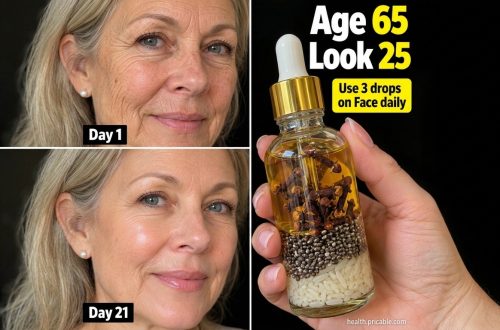
If you keep seeing “cloves for beautiful skin” posts, you’re not alone. The idea usually centers on clove oil for skin because cloves contain aromatic compounds that some people find helpful for a warmer, brighter-looking glow.
The key is doing it gently. Cloves can be irritating if they’re too concentrated (especially clove essential oil), so this guide sticks to simple, diluted, skin-friendlier methods you can patch test first.

Clove Oil for Skin: What It Can (and Can’t) Do
Clove-infused oil may help support the look of:
-
A dewy, “glassy” finish (especially on dry skin)
-
A more even-looking tone over time
-
Softer-looking texture when used consistently
What it won’t do overnight:
-
“Erase wrinkles” or guarantee results
-
Make dark spots disappear instantly
Think of it like a supportive step in a basic routine, not a miracle fix.
The Safest Way to Start: Use Whole Cloves (Not Essential Oil)
Clove essential oil is extremely concentrated and can burn or trigger irritation if used incorrectly.
A whole-clove infusion is slower and milder, which is exactly what most facial skin needs.
DIY Recipe 1: Clove-Infused Glow Oil (Face-Friendly)
This is the closest match to the “instant glow” and “glass skin” vibe you see online, without going overboard.
What you’ll need
-
1/2 cup carrier oil (pick one)
-
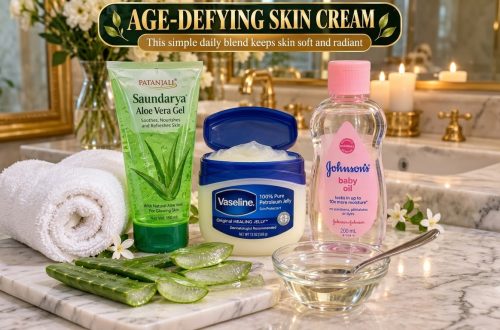
Fragrance-free baby oil (mineral oil) for very dry skin
-
Jojoba oil for balanced skin
-
Grapeseed oil for a lighter feel
-
Sweet almond oil for extra softness (skip if you have nut allergies)
-
-
1 tablespoon whole cloves
-
A small jar with lid
-
Fine strainer or cheesecloth
-
A clean dropper bottle (amber glass is ideal)
Option A: Quick warm infusion (15–20 minutes)
-
Add cloves and oil to a heat-safe jar.
-
Place the jar in a small pot with a few inches of water (water should not splash into the jar).
-
Warm on low heat for 15–20 minutes. Do not simmer hard.
-
Let it cool fully.
-
Strain out the cloves and pour into a clean dropper bottle.
Option B: No-heat infusion (5–7 days)
-
Add cloves and oil to a jar, close tightly, and shake.
-
Store in a cool, dark spot for 5–7 days, shaking once daily.
-
Strain and bottle.
How to use it
-
Night use is best: apply 2–4 drops on slightly damp skin after moisturizer.
-
If you’re very dry: mix 1–2 drops into your night cream instead.
-
Start 2 nights per week, then increase if your skin stays calm.
DIY Recipe 2: Rosewater + Turmeric (Better as a Rinse-Off Mask)
Mixing turmeric into watery toner can get messy and stain easily. A rinse-off mask is usually more practical if you’re targeting the appearance of dark spots or dullness.
What you’ll need
-
1 tablespoon rosewater (look for simple ingredients)
-
1 teaspoon honey or plain yogurt (helps it spread and rinse off)
-
A tiny pinch of turmeric (start small)
-
Optional: 2–3 drops glycerin for extra slip (especially if dry)
Steps
-
Mix into a smooth paste.
-
Apply a thin layer to clean skin (avoid eyebrows and hairline if you stain easily).
-
Leave on for 5–8 minutes max.
-
Rinse well, then moisturize.
How often
-
1–2 times per week is plenty.
Optional Boost: Add Vitamin E (If Your Skin Likes It)
Some routines pair cloves with vitamin E capsules for a richer feel.
If you’re acne-prone, go slow. Vitamin E can feel heavy and may clog some people.
Simple blend
-
1 teaspoon clove-infused oil
-
Contents of 1 vitamin E capsule
Mix in your palm and apply 1–2 drops as the final step at night, 1–2 times per week.
Common Mistakes (and Easy Fixes)
Mistake: Using clove essential oil straight
Fix: Skip it. Use whole-clove infusion or heavily diluted products.
Mistake: Too many cloves or overheating the oil
Fix: Keep the ratio mild (1 tbsp cloves to 1/2 cup oil) and use low heat only.
Mistake: Leaving turmeric on too long
Fix: Keep it under 8 minutes and rinse thoroughly.
Mistake: Applying on broken or freshly scrubbed skin
Fix: Wait until skin is calm and barrier feels normal.
Mistake: Skipping sunscreen while trying to “brighten”
Fix: Use SPF 30+ daily. Brightening routines work best with sun protection.
Safety Notes (Don’t Skip This)
-
Patch test every new mix on your inner arm or behind your ear for 24–48 hours.
-
Avoid the eye area and corners of the nose (common irritation zones).
-
Stop if you feel burning, strong tingling, or see redness that doesn’t fade.
-
If you’re pregnant, nursing, or under a dermatologist’s care, ask before trying new actives or DIY blends.
-
Keep everything clean: washed hands, clean jars, and fresh batches.
Storage: How Long It Lasts
-
Clove-infused oil: about 2–3 months stored in a cool, dark place (shorter if you used a “fresh” oil that oxidizes quickly).
-
Rosewater + turmeric mask: mix fresh each time (don’t store).
If the oil smells “off” or looks cloudy in a weird way, toss it and make a new batch.
Buying Guide: What to Look For (So You Don’t Waste Money)
If you’d rather buy ingredients once and get it right, here’s what matters.
Whole cloves
-
Choose whole buds (not powder) for a cleaner infusion
-
Look for a strong, spicy aroma (fresher = better)
-
Buy small amounts so they don’t sit for a year in your pantry
Carrier oil
-
For a lighter feel: grapeseed or squalane
-
For balanced skin: jojoba
-
For very dry skin: fragrance-free mineral oil (often sold as baby oil) or a richer facial oil blend
-
If you break out easily, look for “non-comedogenic” positioning, but still patch test
Rosewater
-
Check the label for minimal ingredients (avoid heavy fragrance and dyes)
-
Dark bottle packaging helps protect freshness
Helpful tools
-
Amber glass dropper bottle
-
Fine mesh strainer or cheesecloth
-
Small funnel (makes bottling less messy)
You can usually find these at grocery stores, big-box retailers, beauty supply shops, and online marketplaces. If you’re comparing options, check bottle size, ingredient lists, and whether it’s fragrance-free.
Simple Routine: How to Fit This In
Night routine (easy version)
-
Gentle cleanser
-
Moisturizer
-
2–4 drops clove-infused oil (or mix 1–2 drops into moisturizer)
Weekly add-on
-
Rosewater + turmeric rinse-off mask 1–2 times per week
Keep it simple for 2–3 weeks before adding anything else, so you can tell what’s working (or irritating).
FAQ
Is clove oil for skin safe to use on the face?
It can be, but only when it’s properly diluted and patch tested. Whole-clove infusion is typically milder than essential oil.
Can clove oil help with dark spots?
Some people find it supports a brighter-looking tone over time, but it won’t erase spots instantly. Daily sunscreen matters a lot for spot-prone skin.
How often should I use clove-infused oil?
Start 2 nights per week. If your skin stays comfortable, increase to every other night.
Can I use this if I have acne-prone skin?
Use a lighter carrier oil (like grapeseed or jojoba), keep the amount to 1–2 drops, and patch test. Skip vitamin E if you clog easily.
Can I mix cloves directly into rosewater and leave it on?
It’s safer to avoid strong clove water left on the face. If you want to use rosewater, consider it as a simple mist, and keep turmeric as a short, rinse-off mask.
Does turmeric stain skin?
It can, especially if you use too much or leave it on too long. Use only a tiny pinch and rinse well.
How do I know if my clove oil is too strong?
If you feel burning, persistent tingling, or see redness, it’s too strong for your skin. Dilute it further with more carrier oil or stop using it.
How long does clove-infused oil last?
Typically 2–3 months in a clean bottle stored away from heat and sunlight. When in doubt, make a smaller batch more often.