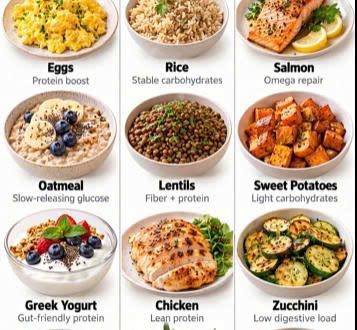
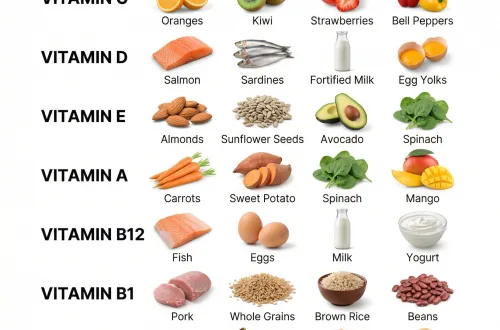
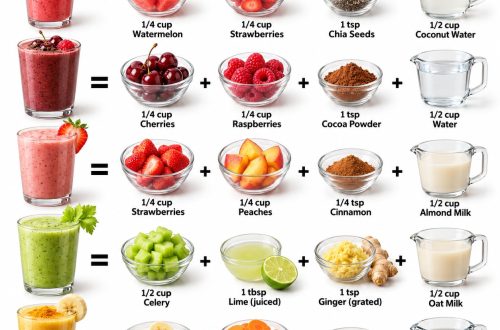
When people talk about kidney stones, the conversation often revolves around a few “miracle foods.” But the truth is much simpler: kidney health is influenced more by overall dietary patterns than by any single ingredient.
Instead of focusing on isolated foods, it’s more useful to understand which types of foods help keep urine balanced and reduce crystal formation.
Here are several food groups that tend to support kidney health.
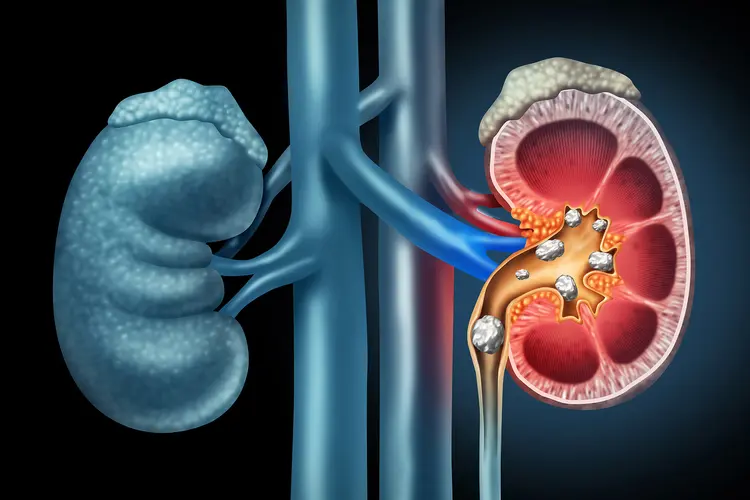
1. Hydrating Foods
One of the biggest factors behind kidney stone formation is concentrated urine. When the body doesn’t get enough fluids, minerals can accumulate and crystallize.
That’s why foods with high water content are helpful.
Examples include:
-
fruits with high water content
-
vegetables such as cucumber or celery
-
light soups and broths
These foods indirectly support kidney function by increasing total fluid intake throughout the day.
2. Fiber-Rich Plant Foods
A diet rich in fiber helps regulate digestion and may reduce the amount of certain stone-forming compounds absorbed in the gut.
Whole plant foods like:
-
legumes
-
vegetables
-
whole grains
can help support a healthier metabolic environment and reduce some of the risk factors associated with kidney stones.
Fiber also supports gut bacteria, which can influence how oxalate is processed in the body.
3. Citrate-Producing Foods
Certain foods naturally increase citrate levels in urine. Citrate plays an important role in preventing calcium from forming crystals.
Citrate binds to calcium, making it less likely to combine with oxalate and form stones.
Foods that tend to support citrate levels include many citrus fruits and fresh produce.
4. Potassium-Rich Foods
Potassium helps maintain healthy mineral balance in the body and may reduce calcium loss through urine.
Many fruits, vegetables, and legumes naturally contain potassium, making plant-rich diets beneficial for kidney health.
Potassium also supports healthy blood pressure, which is closely tied to kidney function.
5. Moderate Protein Sources
Protein is essential for overall health, but excessive intake—especially from certain sources—can increase the workload on the kidneys and alter urine chemistry.
Balanced portions of protein from both plant and lean animal sources help maintain muscle and tissue health without overwhelming the kidneys.
Moderation is the key.
6. Anti-Inflammatory Foods
Chronic inflammation can affect many organs, including the kidneys. Diets rich in antioxidants and plant compounds may help support long-term kidney health.
Foods commonly associated with anti-inflammatory effects include:
-
colorful fruits and vegetables
-
herbs and teas
-
plant-based foods rich in polyphenols
These compounds help protect tissues from oxidative stress.
The Habit That Matters More Than Any Food
While diet plays a role, the single most important factor in preventing kidney stones is consistent hydration.
Drinking enough fluids throughout the day helps dilute urine, making it harder for minerals to crystallize.
Most experts recommend maintaining urine that is light yellow or clear, which usually indicates adequate hydration.
No single food can dissolve or “crush” kidney stones. But a diet built around hydrating foods, fiber-rich plants, mineral balance, and adequate fluids can help support kidney health and reduce the risk of stone formation over time.
Small daily habits often matter more than any one ingredient.