March is the start of the gardening season for many regions in the United States. As the soil begins to warm and daylight increases, it’s the perfect time to plant hardy vegetables, start berry plants, and add early spring flowers to your garden.
If you’re wondering what to plant in March, the key is choosing crops that thrive in cool spring conditions and can handle occasional temperature swings.
This guide covers vegetables, fruits, and flowers you can plant in March, plus simple planting tips to help beginners get started.
What to Plant in March: Vegetables That Thrive in Cool Weather
Many root vegetables and leafy greens grow extremely well in early spring soil. These plants tolerate cool temperatures and often mature quickly.
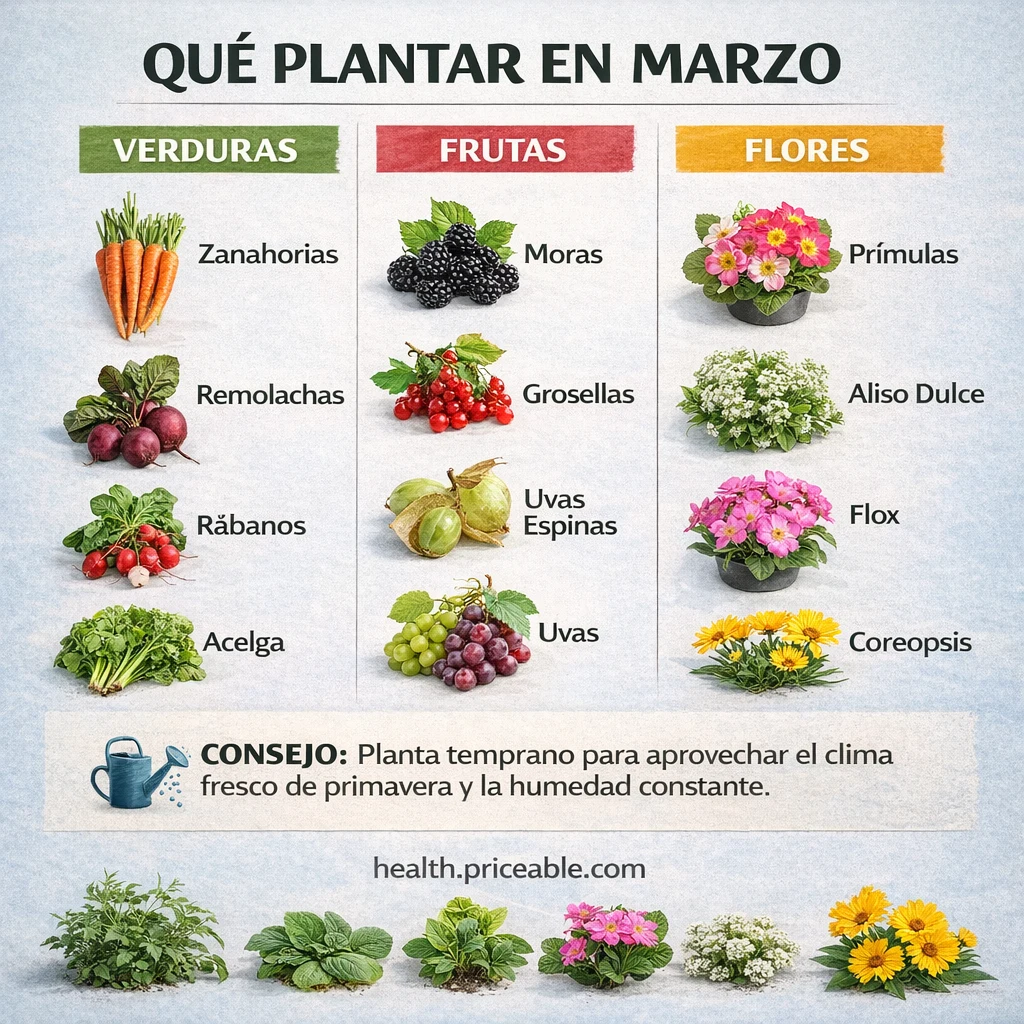
Some of the easiest vegetables to plant in March include:
• Carrots
• Beets
• Radishes
• Swiss chard
These crops are ideal for raised beds, backyard gardens, and even large containers.
Carrots
Carrots grow best when planted directly in loose soil.
Tips for success:
• Plant seeds about ¼ inch deep
• Keep soil consistently moist during germination
• Thin seedlings so roots have space to grow
Carrots prefer cooler temperatures and develop sweeter flavor in spring.
Beets
Beets are a dual-purpose crop. You can harvest both the roots and the leafy greens.
Best practices:
• Sow seeds about 1 inch apart
• Thin plants once they sprout
• Keep soil evenly watered
Beets usually mature within 50–60 days, making them a great early-season harvest.
Radishes
Radishes are one of the fastest vegetables you can grow.
• Germinate in just a few days
• Ready to harvest in about 3–4 weeks
• Perfect for beginner gardeners
Because they grow quickly, many gardeners plant several rounds throughout spring.
Swiss Chard
Swiss chard is a hardy leafy green that tolerates cool nights.
Benefits of growing chard:
• Long harvest window
• High nutritional value
• Works well in garden beds or containers
You can harvest outer leaves while the plant continues producing new growth.
Fruits You Can Start Planting in March
Early spring is also a good time to plant or transplant certain berry plants and fruit vines.
Common fruits planted in March include:
• Blackberries
• Currants
• Gooseberries
• Grapes
These perennial plants take longer to establish but can produce fruit for many years.
Blackberries
Blackberries grow well in sunny locations with well-drained soil.
Planting tips:
• Space plants about 3–5 feet apart
• Use trellises or supports for climbing varieties
• Mulch around the base to retain moisture
Currants
Currants are cold-tolerant berry shrubs that do well in cooler climates.
They prefer:
• Partial to full sun
• Moist, fertile soil
• Consistent watering during early growth
Gooseberries
Gooseberries are hardy shrubs that can produce fruit even in mild shade.
These plants are great for home gardeners because they require relatively little maintenance once established.
Grapes
March is a common time to plant dormant grape vines.
For best results:
• Choose a sunny location
• Provide trellis support early
• Prune annually to maintain healthy growth
Flowers to Plant in March for Early Spring Color
Adding flowers to your garden in March not only brightens the landscape but also attracts pollinators.
Some popular early spring flowers include:
• Primroses
• Sweet Alyssum
• Phlox
• Coreopsis
These flowers are often sold as small nursery plants or seeds ready for early-season planting.
Primroses
Primroses are classic spring flowers known for their bright colors.
They grow best in:
• Partial shade
• Moist soil
• Cooler spring temperatures
Sweet Alyssum
Sweet alyssum produces clusters of tiny fragrant flowers.
Gardeners love it because:
• It spreads easily
• Attracts beneficial insects
• Works well in borders and containers
Phlox
Phlox creates dense clusters of pink, purple, or white flowers.
These plants are ideal for garden edges, rock gardens, or ground cover.
Coreopsis
Coreopsis produces cheerful yellow blooms that last well into summer.
It thrives in:
• Full sun
• Well-drained soil
• Low-maintenance gardens
Quick Buying Guide for March Garden Supplies
If you’re starting a garden this season, having the right supplies makes the process much easier.
Look for these basics when shopping for seeds and tools:
• Organic or non-GMO vegetable seeds
• Seed starter trays or small pots
• Raised garden beds or grow bags
• High-quality potting soil or compost
• Garden gloves and hand trowel
• Trellis or plant supports for vines
Most home garden centers and online seed stores begin stocking spring seeds in late winter, so March is a great time to choose varieties and compare options.
Common Mistakes When Planting in March
Even though March is a great planting month, beginners often run into a few common problems.
Avoid these mistakes:
Planting too early in cold soil
Many seeds struggle if soil temperatures are still very low. Use a soil thermometer if possible.
Overwatering seedlings
Young plants need moisture but not soggy soil.
Skipping soil preparation
Mixing compost into the soil improves drainage and nutrient availability.
Ignoring frost forecasts
Late frosts can still happen in early spring. Cover young plants with frost cloth if temperatures drop.
How Often Should You Water Spring Plants?
Newly planted seeds usually need light watering once per day until they germinate.
After plants establish roots:
• Water deeply 2–3 times per week
• Adjust watering based on rainfall and soil type
• Raised beds and containers may require more frequent watering
Safety Tips for New Gardeners
Before planting anything outdoors:
• Check your USDA hardiness zone
• Confirm your region’s last frost date
• Start sensitive plants indoors if frost risk remains
If you have pets or small children, also check whether any ornamental plants could be toxic.
Frequently Asked Questions
Can you plant vegetables in March?
Yes. Many cool-season vegetables such as carrots, radishes, beets, and leafy greens grow very well when planted in March.
What fruits grow best when planted in early spring?
Berry shrubs like blackberries, currants, and gooseberries are commonly planted in early spring because they establish roots before summer heat arrives.
Is March too early to start a garden?
It depends on your climate zone. In many parts of the United States, March is ideal for cool-season crops.
Should seeds be started indoors or outdoors?
Root vegetables like carrots and radishes should be sown directly in the soil, while some plants may benefit from indoor seed starting.
How long does it take for March vegetables to grow?
Fast-growing vegetables like radishes may be ready in about 3–4 weeks, while carrots and beets typically take 50–70 days.
What flowers bloom earliest in spring gardens?
Primroses, phlox, and sweet alyssum are common early spring flowers that add color soon after planting.
Do I need fertilizer when planting in March?
Many gardeners mix compost or organic fertilizer into the soil before planting to improve growth.
Can beginners successfully grow vegetables in March?
Yes. Crops like radishes, carrots, and Swiss chard are considered beginner-friendly and require minimal maintenance.
Starting a garden in March can be incredibly rewarding. With the right vegetables, fruits, and flowers, you’ll begin seeing growth within weeks and set the stage for a productive gardening season.