Low Glycemic Foods for Stable Energy and Balanced Blood Sugar
Low glycemic foods are often recommended for people who want steady energy levels and more balanced blood sugar throughout the day.
The glycemic index (GI) measures how quickly carbohydrate-containing foods raise blood glucose after eating. Low glycemic foods digest more slowly, releasing glucose gradually into the bloodstream.
Because of this slower digestion, low glycemic foods may help support stable energy levels, improved satiety, and more balanced glucose responses.
What Are Low Glycemic Foods?
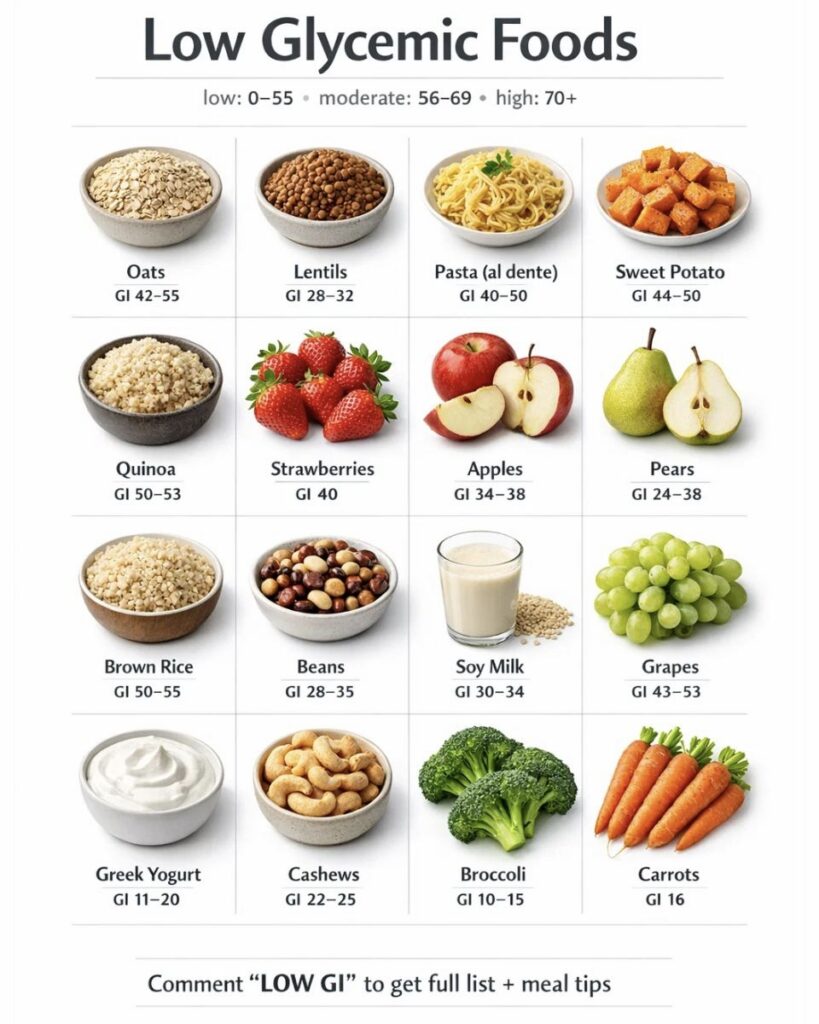
Low glycemic foods typically have a glycemic index below 55. These foods digest more slowly and gradually release glucose into the bloodstream.
Many of these foods are also rich in:
-
fiber
-
protein
-
healthy fats
-
complex carbohydrates
These nutrients slow digestion and help stabilize blood sugar responses.
1. Lentils – A Slow-Digesting Legume
Lentils are one of the most well-known low glycemic legumes.
They contain a combination of fiber and plant-based protein that slows carbohydrate absorption. Lentils are also rich in:
-
iron
-
folate
-
potassium
-
dietary fiber
Adding lentils to soups, salads, or grain bowls can help create balanced meals with steady energy.
2. Chickpeas – Fiber-Rich Low GI Legumes
Chickpeas have a relatively low glycemic index and provide both fiber and protein.
These legumes are commonly used in dishes such as hummus, salads, and stews. Because of their nutrient profile, chickpeas may help promote satiety and gradual glucose release.
3. Oats – Beta-Glucan Whole Grain
Oats contain beta-glucan, a soluble fiber known to slow digestion and support heart health.
This fiber helps regulate how quickly carbohydrates are absorbed, which contributes to oats’ relatively low glycemic impact compared with refined grains.
4. Quinoa – A Balanced Whole Grain
Quinoa is technically a seed but is often used like a grain.
It contains:
-
complex carbohydrates
-
plant protein
-
fiber
-
minerals such as magnesium and iron
Because of its balanced nutrient composition, quinoa tends to have a moderate glycemic response.
5. Sweet Potatoes – Slow-Carb Root Vegetable
Sweet potatoes contain complex carbohydrates and fiber, which may slow glucose absorption compared with refined starches.
They also provide:
-
beta-carotene
-
vitamin C
-
potassium
Cooking method and portion size can influence their glycemic impact.
6. Apples – Fiber-Rich Fruit
Apples contain pectin, a type of soluble fiber that slows digestion.
Whole apples generally have a lower glycemic impact than fruit juices because the fiber remains intact.
7. Pears – Pectin-Rich Fruit
Pears are another fruit rich in soluble fiber.
This fiber helps slow carbohydrate digestion and may support more gradual blood sugar responses.
Pears also provide vitamin C and plant antioxidants.
8. Berries – Naturally Low GI Fruits
Many berries, including strawberries, blueberries, and raspberries, tend to have a relatively low glycemic index.
Berries are rich in:
-
fiber
-
antioxidants
-
vitamin C
-
polyphenols
These compounds may help support metabolic health.
9. Yogurt – Protein-Rich Dairy
Plain yogurt contains protein and beneficial bacteria that may support digestion.
Protein helps slow carbohydrate absorption, which can help reduce rapid blood sugar fluctuations when yogurt is eaten with carbohydrate foods.
Choosing unsweetened yogurt helps keep added sugars low.
10. Nuts – Low GI Nutrient-Dense Snacks
Nuts contain healthy fats, protein, and fiber, which contribute to their very low glycemic impact.
Examples include:
-
almonds
-
walnuts
-
pistachios
-
cashews
Nuts can help increase satiety and stabilize energy levels between meals.
11. Avocado – A Low-Carb Fat Fruit
Avocados contain mostly healthy monounsaturated fats and very little digestible carbohydrate.
Because of this composition, avocados have almost no glycemic impact.
They also provide fiber, potassium, and heart-healthy fats.
Why Low Glycemic Foods May Help Balance Blood Sugar
Including more low glycemic foods in your diet may help reduce rapid spikes in blood glucose.
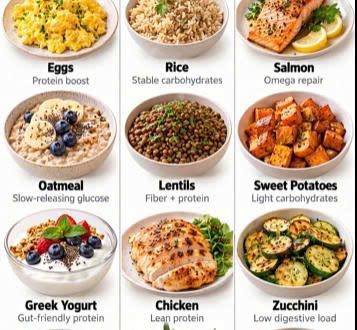
Foods such as lentils, oats, berries, nuts, and yogurt contain fiber, protein, and healthy fats that slow digestion. Because of this, low glycemic foods release glucose gradually rather than causing sudden increases in blood sugar.
Building meals around low glycemic foods can support steadier energy levels and longer-lasting satiety.
Why Low Glycemic Foods May Help Energy Levels
Rapid spikes in blood sugar can sometimes lead to energy crashes later in the day.
Meals built around low glycemic foods may help support:
-
steady energy release
-
improved satiety
-
more balanced glucose responses
Combining carbohydrates with fiber, protein, and healthy fats can further slow digestion and support stable energy.
Simple Meal Ideas Using Low Glycemic Foods
Some balanced combinations include:
• oatmeal with berries and nuts
• quinoa salad with chickpeas and vegetables
• yogurt with berries and almonds
• roasted sweet potatoes with avocado and lentils
These types of meals combine carbohydrates, fiber, protein, and fats to create more balanced blood sugar responses.
Final Thoughts
Low glycemic foods can play a helpful role in supporting steady energy levels and balanced nutrition.
Foods such as lentils, oats, quinoa, berries, nuts, and yogurt provide fiber, protein, and healthy fats that slow digestion and help moderate glucose release.
Rather than focusing on a single food, building meals around a variety of whole, nutrient-dense foods is often the most sustainable way to support overall health.