A practical guide to building a glowing, life-filled garden while strengthening your whole farm ecosystem.
There are few sights in rural life more comforting than fireflies blinking over the grass on a warm summer evening. They turn an ordinary yard into something unforgettable. But those tiny lights are more than a pretty seasonal show. Fireflies are a quiet sign that your land is healthy. They appear where the soil stays alive, where moisture lingers, where leaf litter is allowed to do its work, and where pesticides have not stripped the ground of its hidden life.
It does more than list beautiful plants. It points toward a better way of gardening and farm care one that supports fireflies, pollinators, soil organisms, and even the daily routines of those raising chickens, ducks, goats, or other livestock.
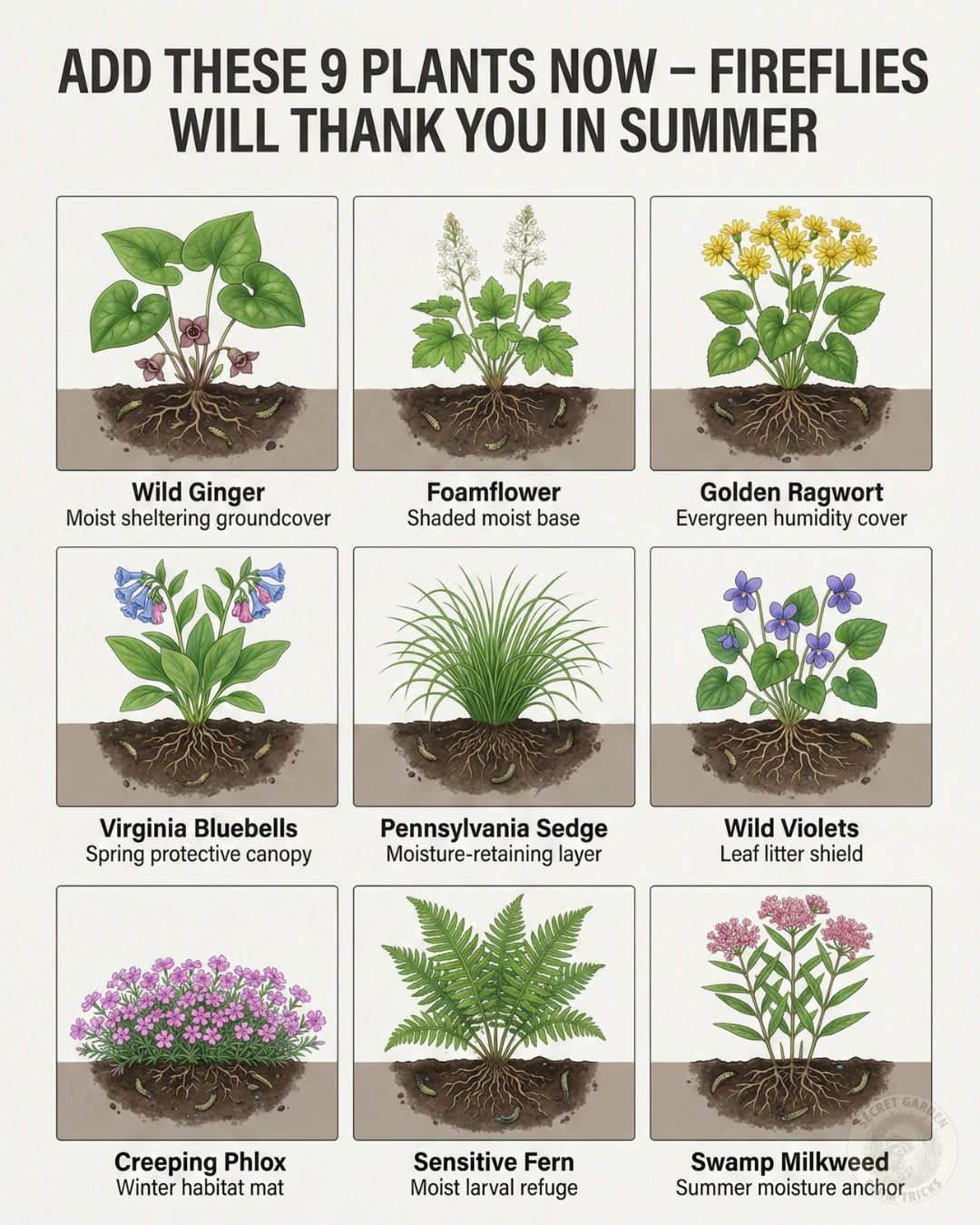
The nine plants shown here – wild ginger, foamflower, golden ragwort, Virginia bluebells, Pennsylvania sedge, wild violets, creeping phlox, sensitive fern, and swamp milkweed – all help create the moist, sheltered, low-disturbance habitat fireflies need. If you plant them with intention, you are not just landscaping. You are building a working ecosystem.
Let’s walk through how to do that in a way that is practical, beautiful, and useful for both gardeners and small farmers.
Why Fireflies Matter in a Productive Garden and Farm
Many people think of fireflies only as nostalgic summer insects. In truth, they are part of a broader system of sustainable gardening and farm care. Firefly larvae live in or near the soil and often feed on slugs, snails, and other soft-bodied pests. Their presence tells you that your land still holds the conditions many beneficial creatures need: moisture, cover, organic matter, and a chemical-free environment.
When fireflies thrive, it often means your soil is rich in life. And when your soil is rich in life, your plants become more resilient, your pest pressure often becomes more balanced, and your farm starts working with nature instead of against it.
That is the goal of good gardening. Not sterile perfection. Living balance.
The Plants That Help Build Firefly Habitat
Wild Ginger: The Moist Groundcover That Protects the Hidden World
Wild ginger is one of the best foundation plants for shaded areas. Its broad, low leaves form a living blanket over the soil, keeping the ground cool and damp. This matters because firefly larvae do not want exposed, dry ground. They need cover and stable humidity.
Plant wild ginger under shrubs, along woodland edges, or anywhere the soil tends to stay rich and shaded. Once established, it quietly holds moisture in place and reduces the need for frequent watering.
For the practical gardener, that means less bare soil, fewer weeds, and healthier microbial activity.

Foamflower: Soft Blooms, Serious Ecological Value
Foamflower brings a lighter look to shady beds, but underneath that charm is real usefulness. It thrives in moist, humus-rich soil and helps create the sheltered base layer fireflies need.
Use it near paths, beneath small trees, or around the north side of buildings where sun is limited. Foamflower pairs well with ferns and sedges, creating a soft planting scheme that feels natural rather than rigid.
If your land has areas that feel too dim for vegetables, this is exactly the kind of plant that turns “difficult” space into ecological value.

Golden Ragwort: Evergreen Coverage That Holds Humidity
Golden ragwort is a hardworking plant for damp or semi-shaded areas. Its evergreen foliage keeps the soil covered longer than many seasonal perennials, and that steady cover helps maintain humidity near the ground.
This is especially useful around rain gardens, swales, low areas near downspouts, or moist fence lines. On a farmstead, those awkward edges often get ignored. Golden ragwort makes them productive habitat instead.

Virginia Bluebells: Spring Shade When the Soil Needs It Most
Virginia bluebells appear early, bloom beautifully, and then fade back as summer heat grows stronger. That seasonal rhythm is valuable. In spring, when firefly larvae are still developing and the soil can begin drying out, bluebells provide a temporary leafy canopy that shades the surface and protects moisture.
They are ideal beneath deciduous trees, where they enjoy spring sun before the canopy fully leafs out. If you want your landscape to feel alive in layers, this is one of the plants that helps create that effect.
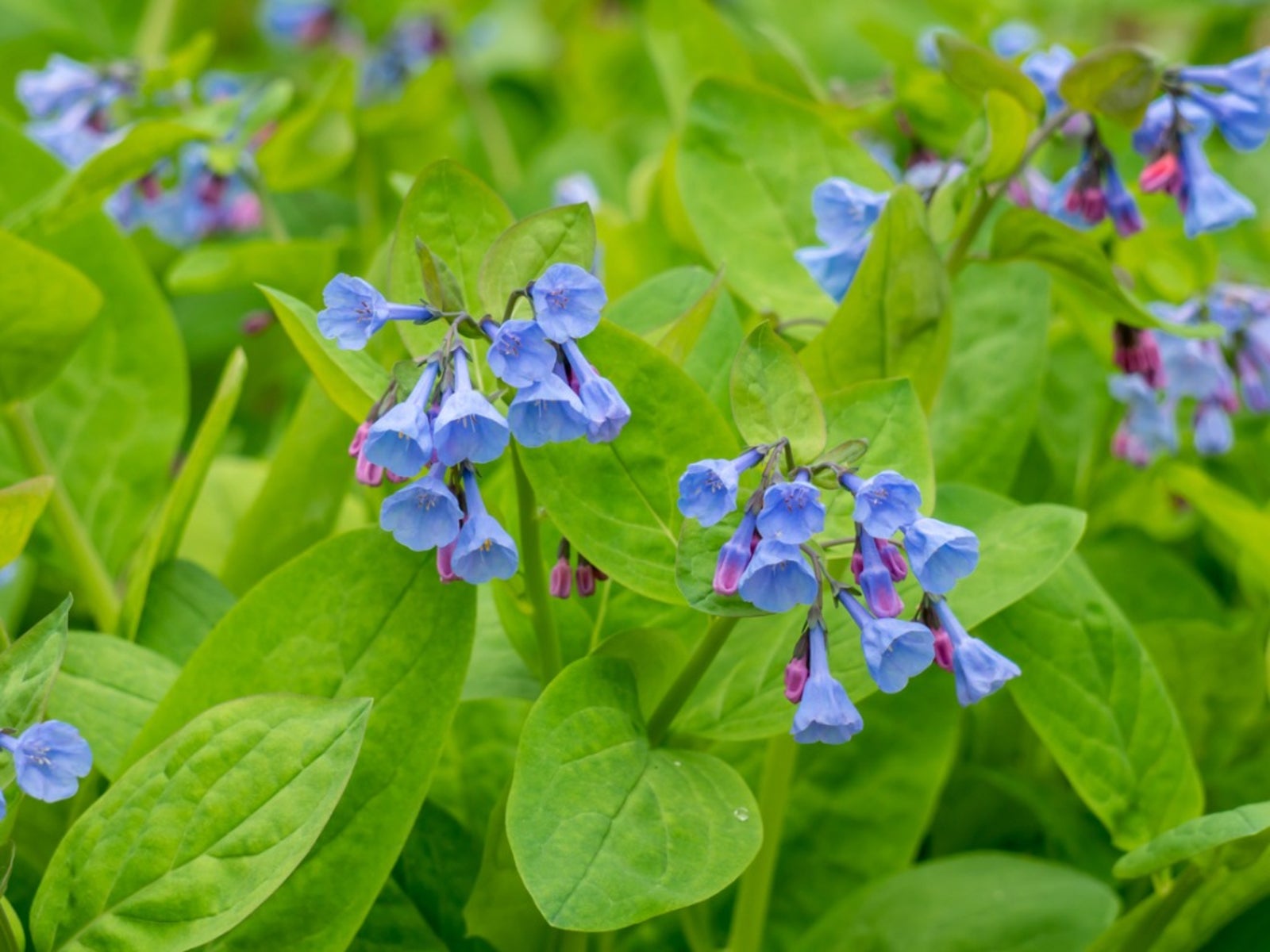
Pennsylvania Sedge: A Low-Maintenance Moisture Keeper
Pennsylvania sedge is one of those plants that solves problems quietly. It forms a grassy, soft-textured layer that helps retain moisture, stabilize soil, and reduce erosion. Unlike turfgrass, it belongs in more natural systems and asks for less mowing and less intervention.
Use it around orchard edges, beneath open-canopy trees, or around the margins of poultry areas where you want softer ground cover but not mud. It is especially useful if you are trying to reduce high-maintenance lawn while improving wildlife habitat.
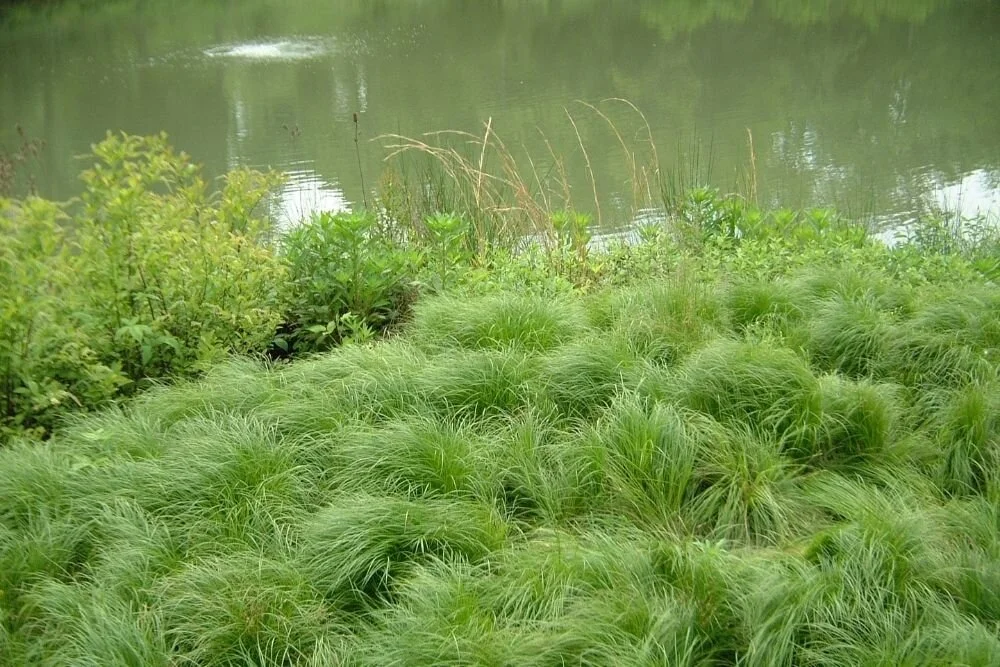
Wild Violets: The Leaf Litter Shield You Should Stop Pulling
Too many gardeners pull wild violets because they think they look messy or invasive. But in a healthy landscape, violets are valuable. Their leaves protect the soil, reduce splash during rain, and help create the “leaf litter shield” that the image points to.
They also support pollinators, fill awkward gaps, and soften the base of garden beds. In a sustainable garden, wild violets are not a problem to solve. They are a helper to recognize.
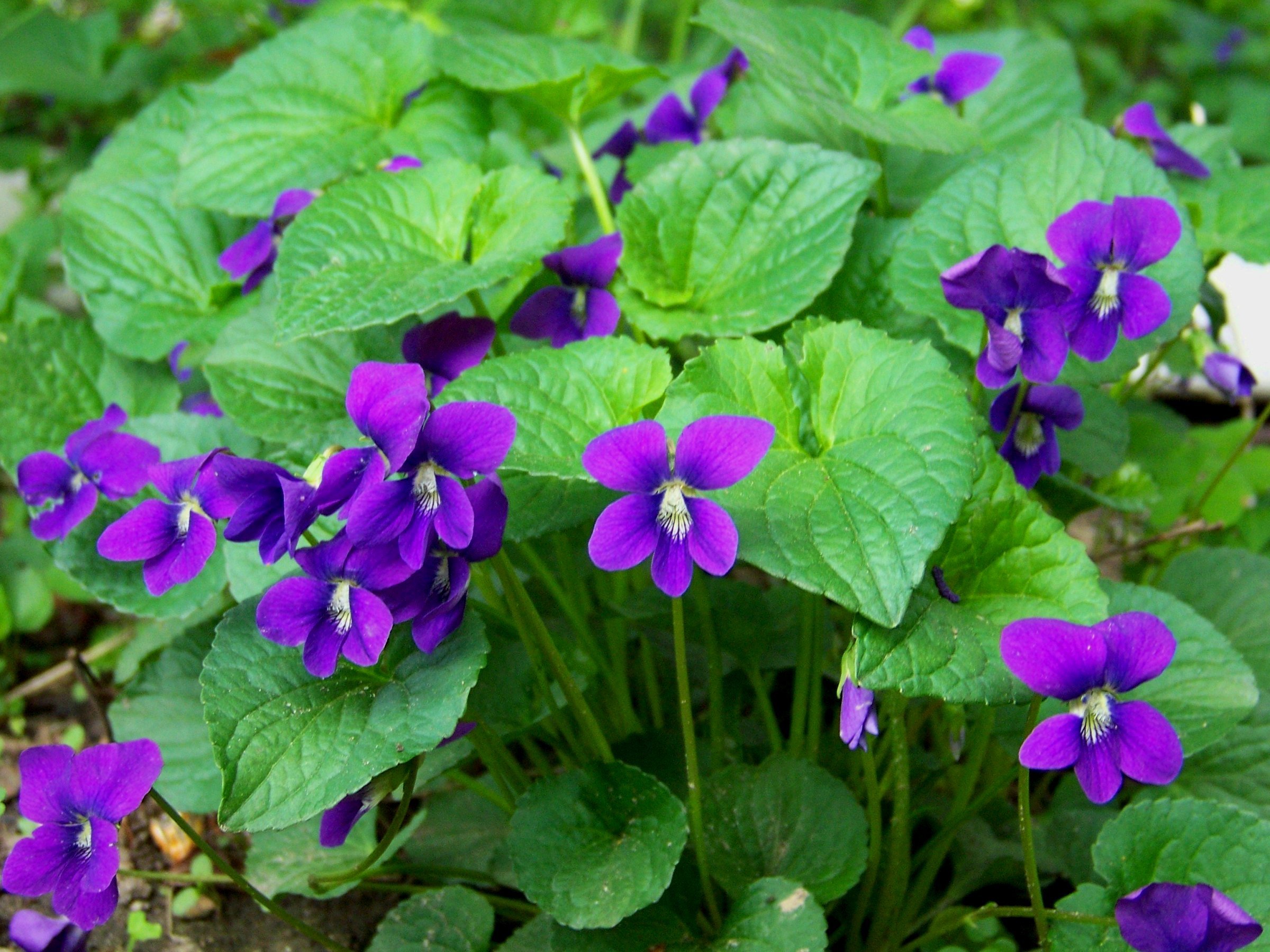
Creeping Phlox: A Winter Habitat Mat With Spring Beauty
Creeping phlox is often planted for flowers, but its real long-term strength is the way it forms a dense mat over the soil. That cover protects the ground during colder months and creates habitat structure that remains useful beyond the blooming period.
Use it on slopes, along retaining edges, or where you need a low, spreading plant that can reduce erosion and cover bare soil. In a farm setting, it can help stabilize ornamental borders near productive beds and pollinator strips.

Sensitive Fern: Refuge for Moist, Sheltered Corners
Sensitive fern belongs in damp, partly shaded areas where moisture can linger. It creates a cool refuge, which is exactly what firefly larvae need in summer heat. If you have a low corner of the property that stays moist longer than the rest, do not fight it. Plant into it.
This is the deeper lesson in good farm care: stop trying to force every area to behave the same way. Wet places can become habitat. Dry places can become herb beds. Sunny places can become crops. Use the land as it wants to be used.

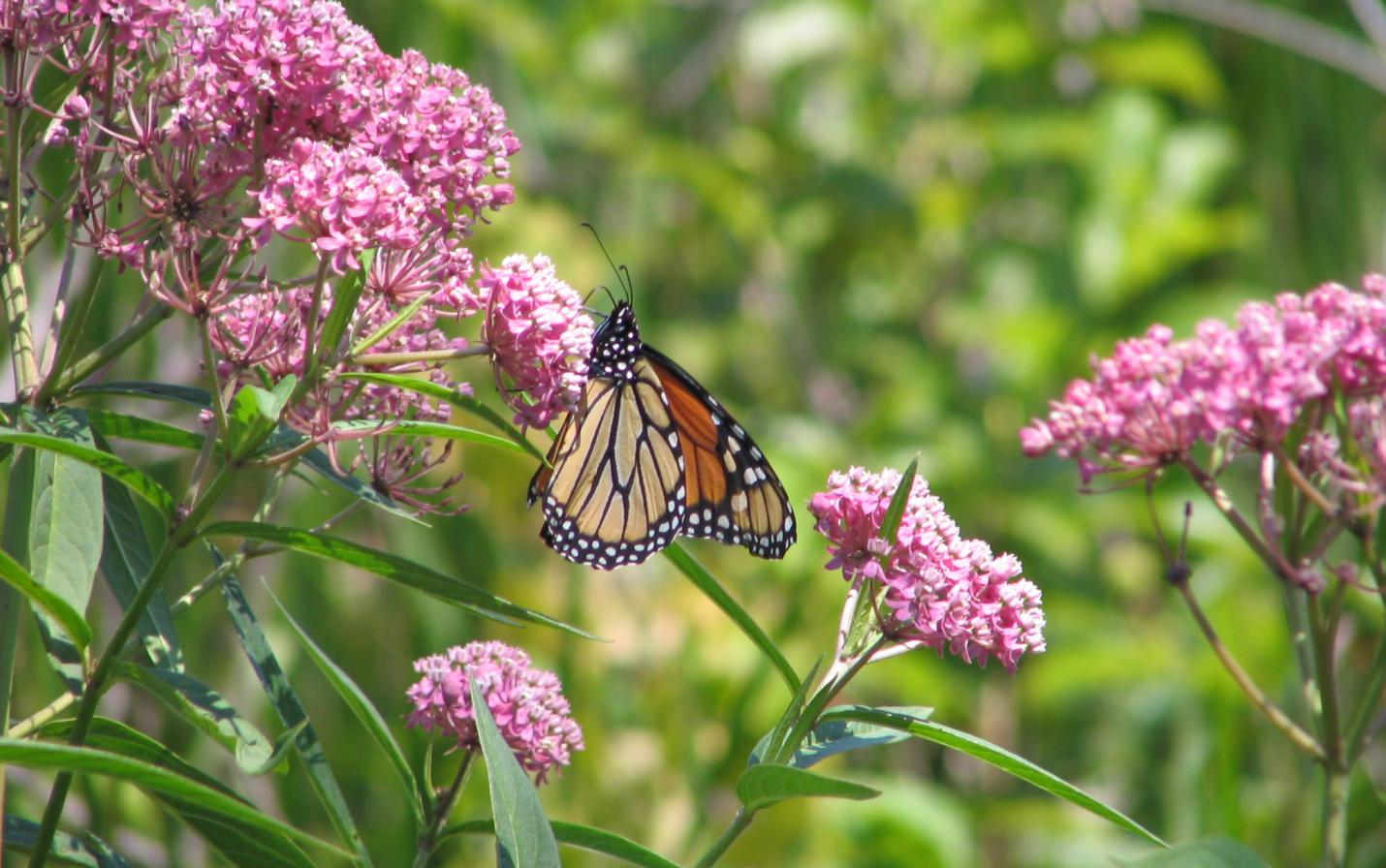
Swamp Milkweed: Summer Moisture Anchor and Pollinator Magnet
Swamp milkweed is perhaps the boldest plant on this list. It attracts pollinators, supports monarch butterflies, and tolerates moisture beautifully. Its root system helps anchor soil in wet places, and its flowers bring life to the garden at the height of summer.
Plant it near ponds, drainage channels, moist borders, or the lower side of rain-fed beds. It gives your garden seasonal height while supporting far more than just fireflies.
How to Plant for Fireflies Without Creating More Work
The best gardening tips are the ones that reduce labor while increasing life. Here is how to make these plants work for you:
Start by grouping moisture-loving plants together rather than scattering them. A cluster of wild ginger, foamflower, sedge, and ferns will hold humidity far better than isolated single plants.
Mulch lightly with shredded leaves instead of bark where possible. Fireflies benefit from soft, natural organic matter that breaks down into the soil.
Do not over-clean garden beds in fall. Leave some stems, leaf litter, and groundcover intact through winter and early spring.
Water deeply but less often, encouraging the roots to establish while avoiding constant surface dryness.
Avoid broad-spectrum insecticides. If you kill everything, you do not just remove pests – you remove balance.
What This Means for Livestock and Poultry Care
A healthier habitat around the garden improves more than your flower beds. It can also strengthen animal husbandry for livestock and poultry.
Chickens, for example, do best when their range areas are not bare, dusty, and overheated. Planting shade edges with sedges, violets, and phlox around the outside of poultry zones helps reduce erosion and cool the ground. Just protect new plants until they establish, because chickens scratch first and ask questions never.
Ducks benefit from moist, biologically rich edges near water tubs or small ponds. They will not be housed in these firefly beds directly, but the surrounding habitat supports insect life and better moisture balance across the property.
Goats and sheep need dry, clean housing, but the land around their shelters still matters. Erosion control plants like creeping phlox and sedges can stabilize footpaths and runoff edges nearby.
The principle is simple: when the landscape is healthier, animal management gets easier. Less mud. Better drainage. Fewer dead zones. More shade. Better pollinator activity for nearby crops and forage plants.
A Practical Firefly-Friendly Plan for Small Farms and Home Gardens
If you want results without overcomplicating the process, begin with this:
Choose one shaded bed and plant wild ginger, foamflower, and Pennsylvania sedge.
Choose one moist edge and plant golden ragwort, sensitive fern, and swamp milkweed.
Choose one visible border and plant Virginia bluebells, wild violets, and creeping phlox.
Then do three simple things: reduce pesticide use, leave some leaf litter, and dim unnecessary outdoor lights.
That is how change begins – not with a giant redesign, but with a few thoughtful choices repeated over time.
Final Thoughts: Build a Garden That Gives Something Back
A productive garden should do more than feed us. It should restore something. It should cool the soil, shelter insects, support birds, welcome pollinators, and soften the edges of daily life on the farm.
These nine plants help you do exactly that. They do not just bring back fireflies. They teach a larger lesson: the healthiest gardens and farms are not the ones with the fewest insects or the neatest mulch lines. They are the ones where life layers upon life, each part helping the others.
Plant for beauty, yes. Plant for function, absolutely. But also plant for wonder. When summer comes and the evening grass begins to blink with small floating lights, you will know your work has done more than improve a garden. It has made the land feel alive again.