There is something quietly magical about growing a whole new plant from a single leaf. It feels patient, practical, and a little bit miraculous all at once. For gardeners, plant lovers, and anyone building a greener home on a budget, leaf propagation is one of the most rewarding skills to learn. It turns one healthy plant into several. It stretches your plant collection without stretching your wallet. And it teaches the kind of close observation that makes you better at plant care overall.
Not every plant can do this, but the ones that can are surprisingly generous. Some produce baby plantlets right from the leaf base. Others root first, then slowly push out new growth. A few make tiny new plants right along the leaf edges. Once you understand which plants respond well and how to handle them, propagation becomes less like luck and more like a dependable gardening practice.
Here are 14 excellent plants you can propagate from a leaf, along with practical tips to help you get better results.
Why leaf propagation is worth learning
Leaf propagation is useful for more than just making free plants.
It helps you:
- multiply favorite plants easily
- rescue a plant after damage or breakage
- share plants with friends or customers
- learn how moisture, light, and timing affect rooting
- build confidence with simple, low-risk propagation methods
It also encourages patience. Leaf propagation is not fast gardening. It is slow, watchful gardening. That is part of its value.
What makes leaf propagation successful
Before getting into the plant list, a few basics make a big difference.
Start with a healthy parent plant. Weak, diseased, or dehydrated leaves usually fail. Choose mature, undamaged leaves, but not old, yellowing ones.
Use clean hands or clean scissors if cutting is needed. Let cut surfaces callus where appropriate, especially with succulents. Use a light, fast-draining propagation mix rather than heavy, wet soil. Bright indirect light is usually best. Strong direct sun often stresses fresh leaf cuttings before they root.
And one important point: not every leaf that roots will grow a new plant. Some can make roots and stop there. The method and the plant species matter.
1. African Violet
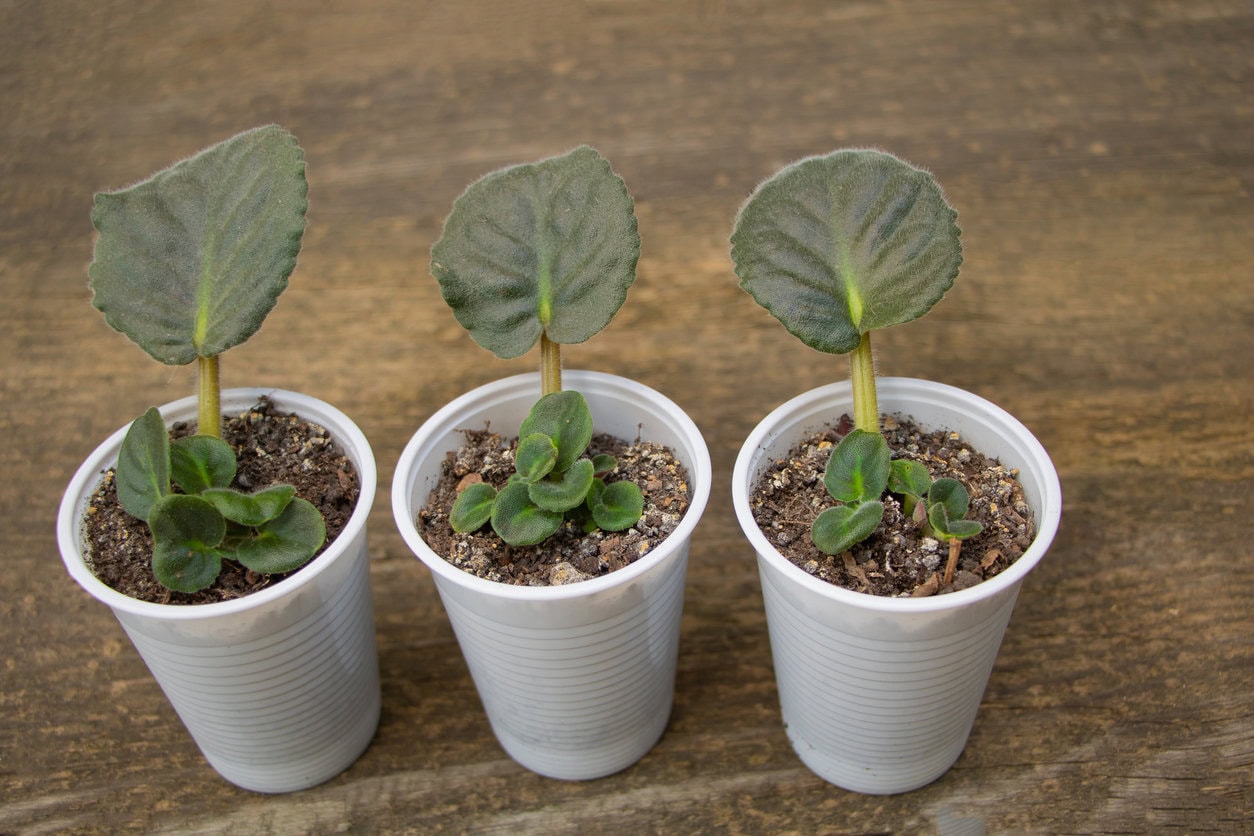
African violet is one of the classic leaf-propagation plants and a very good place to start.
Take a healthy leaf with its stem attached. Insert the stem into a light, moist propagation mix or root it in water first, then transfer it. Keep it warm and in bright indirect light. After some time, tiny baby plants form near the base.
Best tip
Do not bury the leaf blade itself. Insert only the stem, or the leaf may rot.
How long to wait: 3-6 weeks for new growth
2. Snake Plant
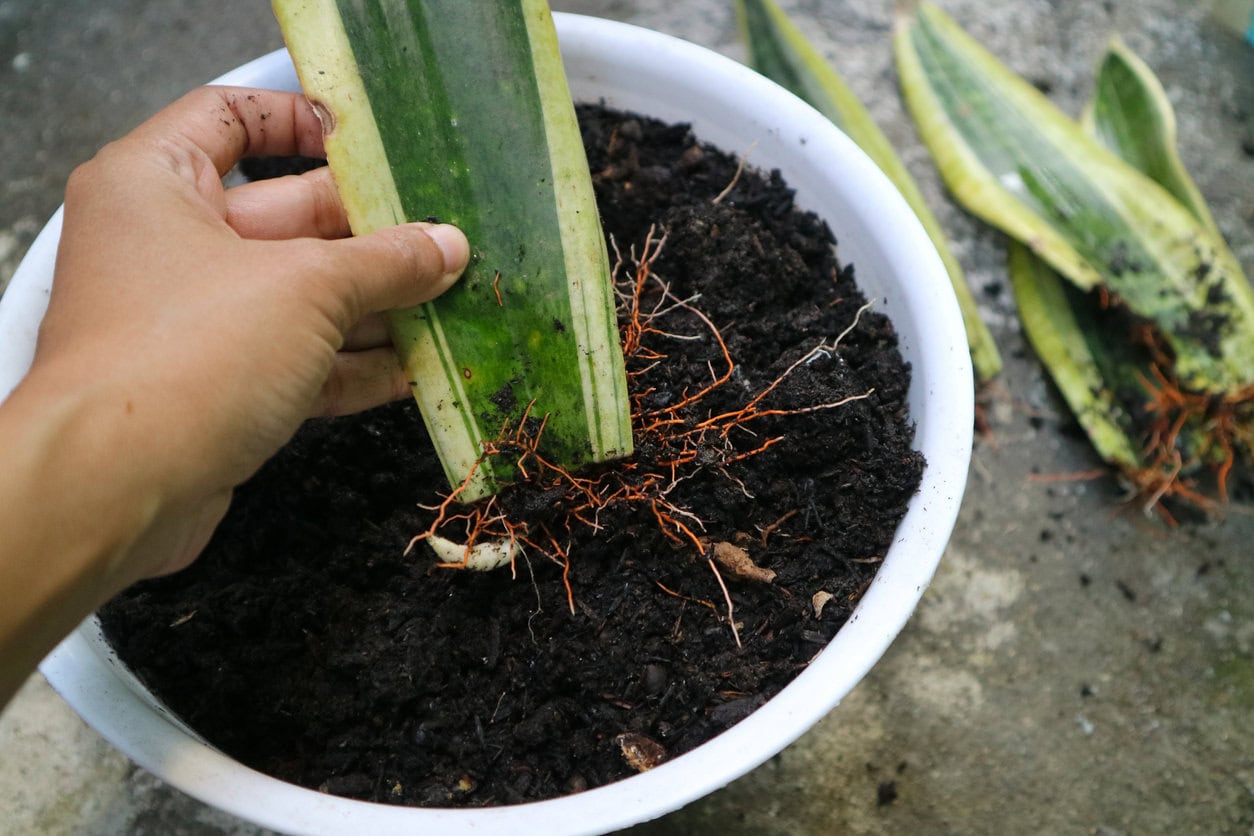
Snake plant can be propagated from leaf sections, though the process is slower than many people expect.
Cut a healthy leaf into sections a few inches long and keep track of which end was the bottom. Plant the lower end into a gritty mix. New roots and shoots may eventually form.
Best tip
Always keep the original leaf direction correct. If planted upside down, sections will fail.
Important note
Variegated snake plants often lose their variegation when propagated by leaf, so division is better if preserving exact coloring matters.
How long to wait: 4-8 weeks for roots, 2-4 months for new shoots
3. Jade Plant
Jade plant is one of the easiest succulents to propagate from a single leaf.
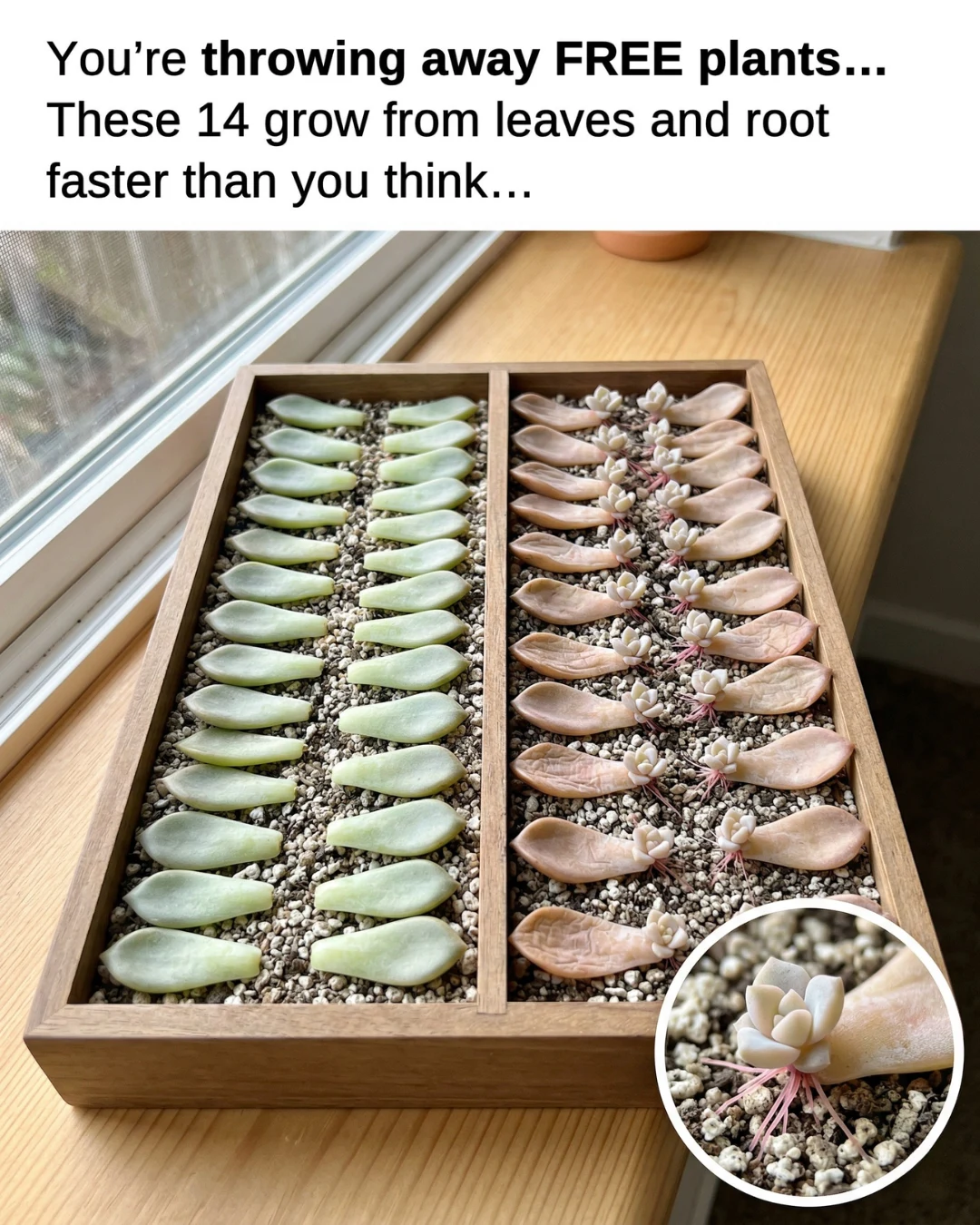
Fleshy ovals hold enough moisture to survive a long journey toward independence. Gently twist a plump leaf off the stem, making sure the base remains intact, then let it rest on dry soil for a few days to callus.
A miniature succulent sprout will eventually draw energy from the parent leaf as it grows. It’s cannibalism, but at least the inheritance tax is zero. Don’t worry if the original leaf starts to shrivel, that just means it’s doing its job.
Gently twist off a full leaf so it comes away intact. Let it dry and callus for a few days. Then place it on top of dry or lightly moist succulent mix. Roots and a tiny plantlet will begin forming from the base.
Best tip
Do not bury the leaf. Set it on the surface and let the new plant decide when to root down.
How long to wait: 2-4 weeks for roots, with growth following soon after

4. Echeveria
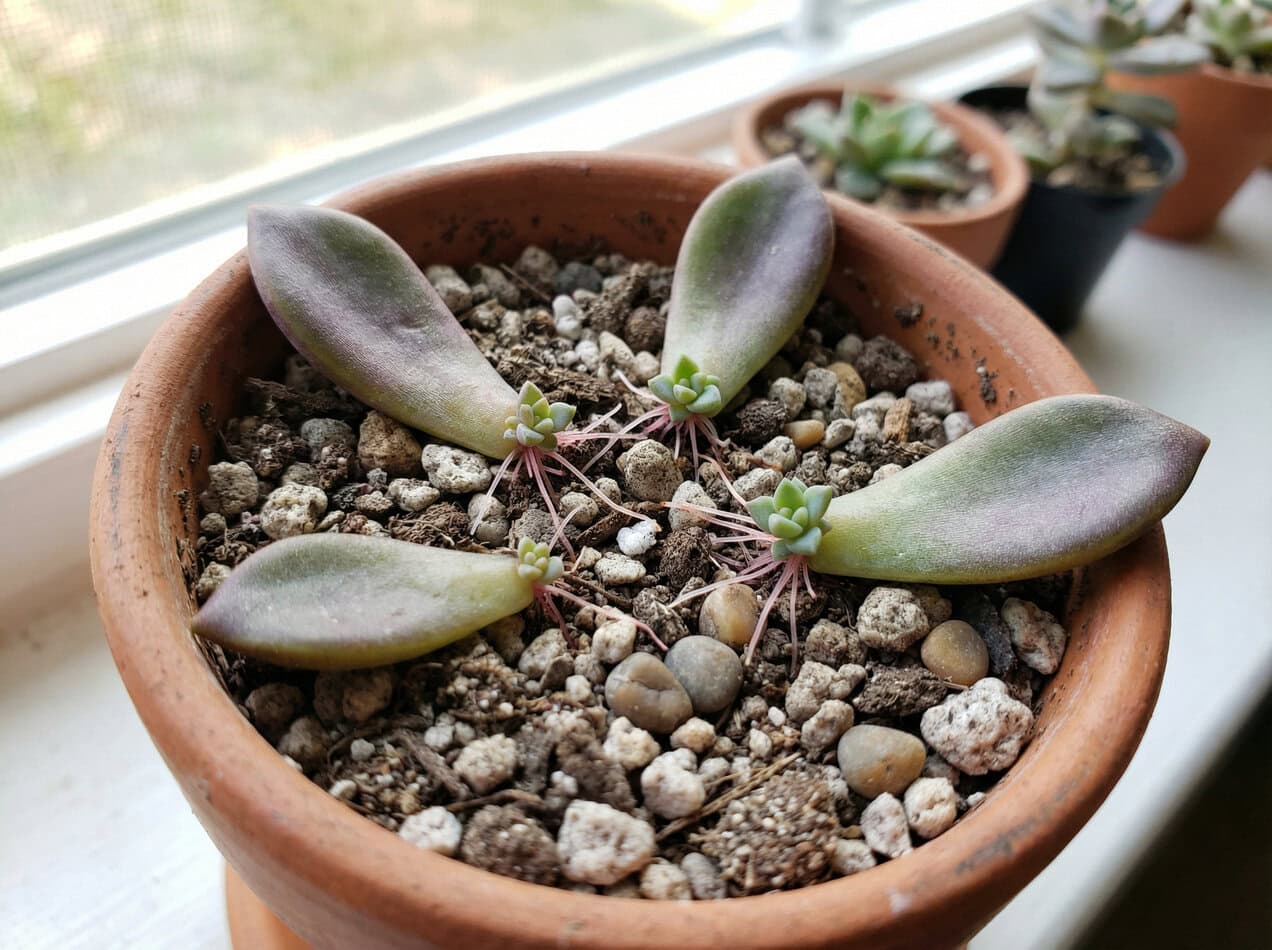
Echeveria leaf propagation is popular for good reason. A single plump leaf can produce a whole new rosette.
Remove a healthy leaf cleanly from the stem, let it callus, then place it on top of a gritty mix in bright indirect light.
Best tip
The leaf must come off whole, including the base. Damaged removal points rarely propagate well.
How long to wait: 2-3 weeks for roots, with rosettes forming after
5. Sedum
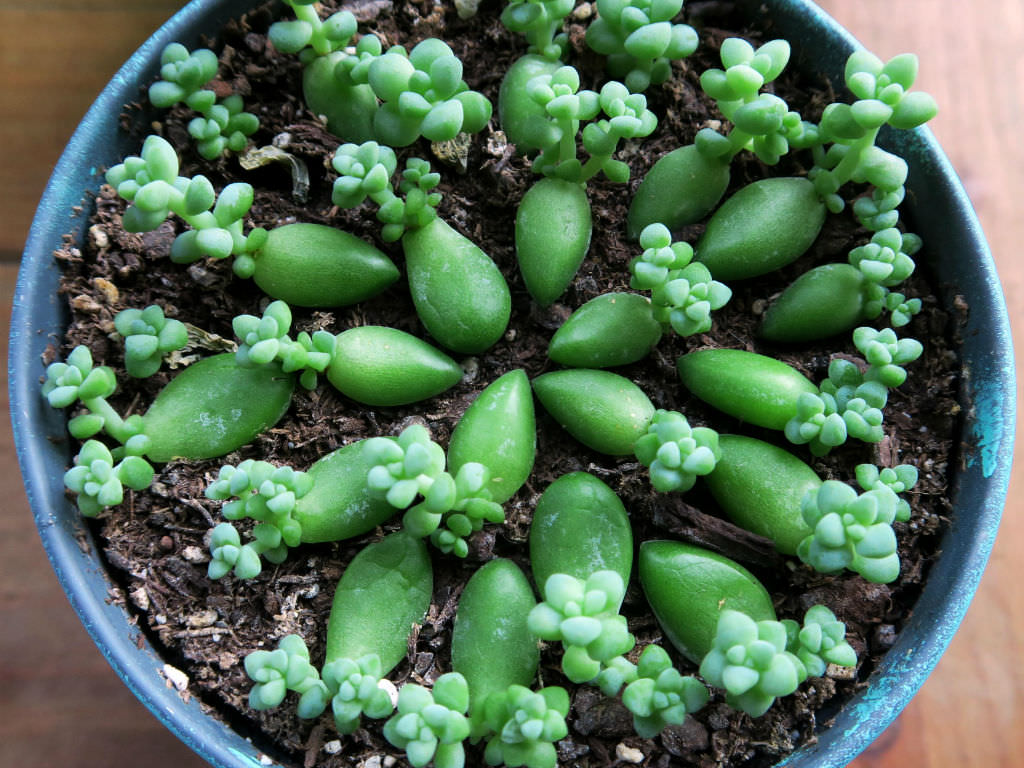
Many sedums root very easily from leaves, especially fleshy trailing or rosette types.
Like echeveria, sedum leaves usually perform best when placed on top of the soil after a brief callusing period.
Best tip
Keep conditions bright but not scorching. Too much water is more dangerous than slight dryness at this stage.
How long to wait: 1-3 weeks for roots, with rosettes forming soon after
6. Kalanchoe
Kalanchoe species can often be propagated from leaves, and some types are especially generous growers.
Remove a healthy leaf, let it dry slightly, then lay it on fast-draining mix. With time, roots and new growth form from the base.
Best tip
Avoid overmisting. Constant wetness encourages rot faster than rooting.

7. Burro’s Tail
Burro’s tail drops leaves easily, which can be frustrating until you realize those fallen leaves are future plants.
Lay intact leaves on succulent soil and wait. Tiny roots and new plants often develop from the base.
Best tip
Handle leaves gently. Bruised leaves are more likely to collapse than propagate.

8. Begonia/ Rex Begonia
Some begonias are excellent leaf propagators and are among the most interesting because they can sometimes produce new plants from leaf veins.
You can place a whole leaf flat on moist mix, sometimes with small cuts across major veins, and pin it lightly to the surface. New plantlets may emerge where the veins contact the medium.
Best tip
Humidity helps, but airflow still matters. A too-sealed setup can encourage rot or mold.

9. Peperomia
Many peperomias can be propagated from leaves or even leaf halves, depending on the type.
Take a healthy leaf with a short stem or cut the leaf and insert the lower portion into a light mix. Warmth and steady humidity improve results.
Best tip
Use a small pot or tray. Oversized containers hold too much moisture and slow success.
How long to wait: 4-6 weeks for new growth
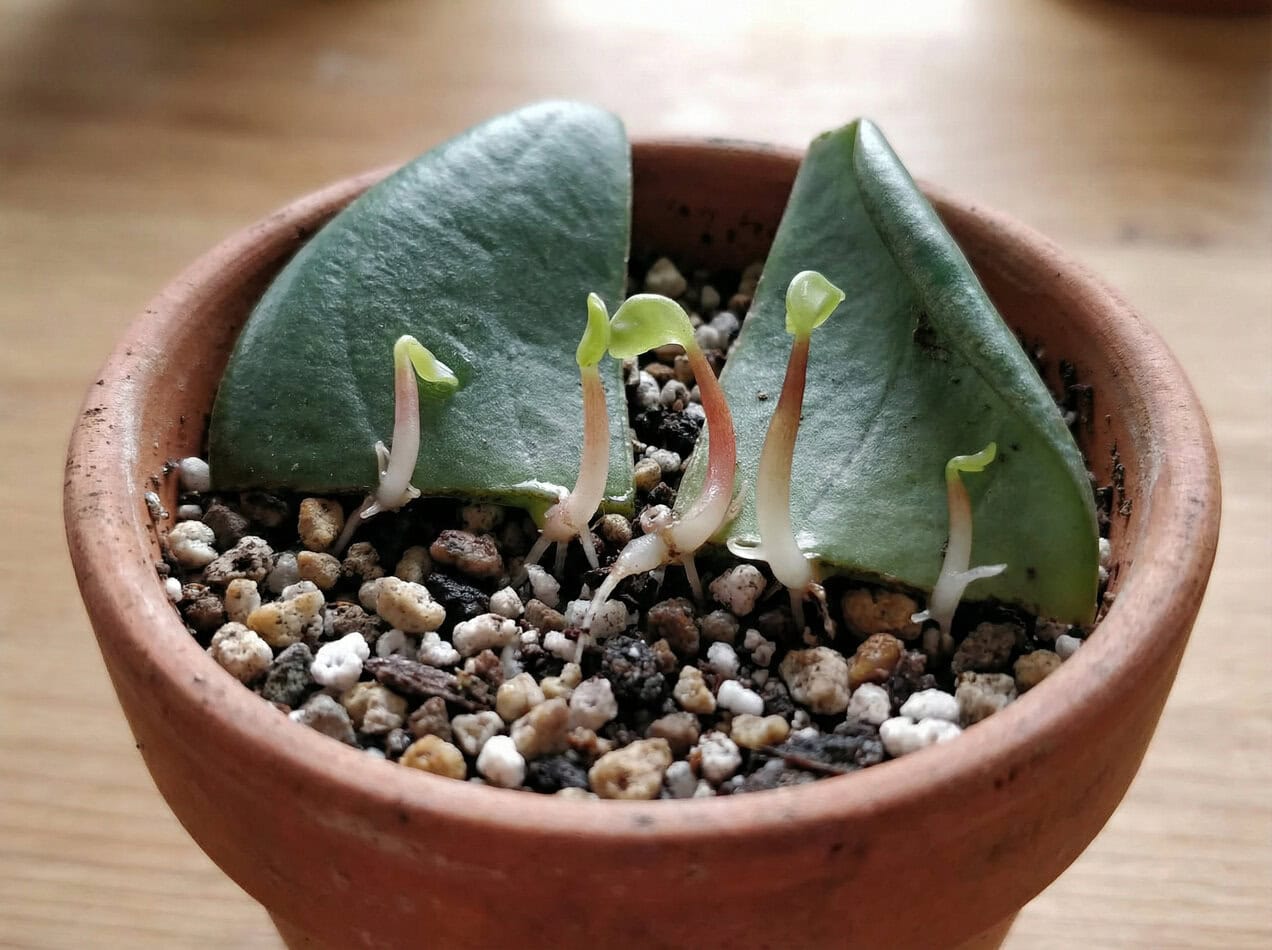
10. Cape Primrose
Long, strap-shaped leaves can be split down the middle to double your chances. Remove the thick center vein, then plant each half upright in moist vermiculite.
Best tip
New plantlets will form along the cut edges. Once they’re about an inch tall, gently separate and pot them up.
How long to wait: 3-6 weeks for plantlets
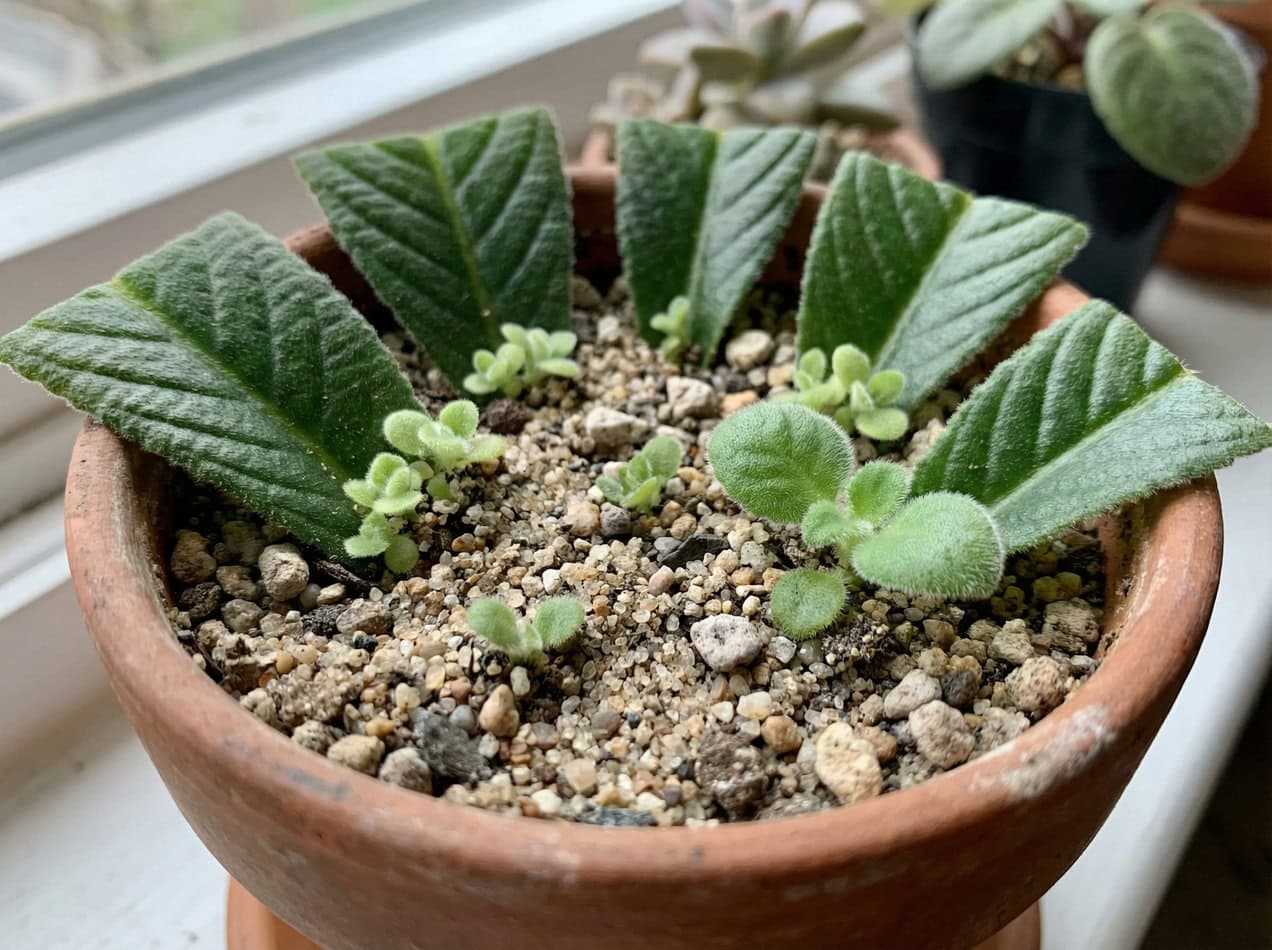
11. String of Pearls
String of pearls is more often propagated from stem cuttings, but individual pearls or short leaf-bearing pieces can sometimes root when given the right conditions.
This one is less reliable from leaf-only propagation than others on the list, but it can still be done with patience.
Best tip
Use a very airy mix and a restrained watering hand. Rot is the main risk.
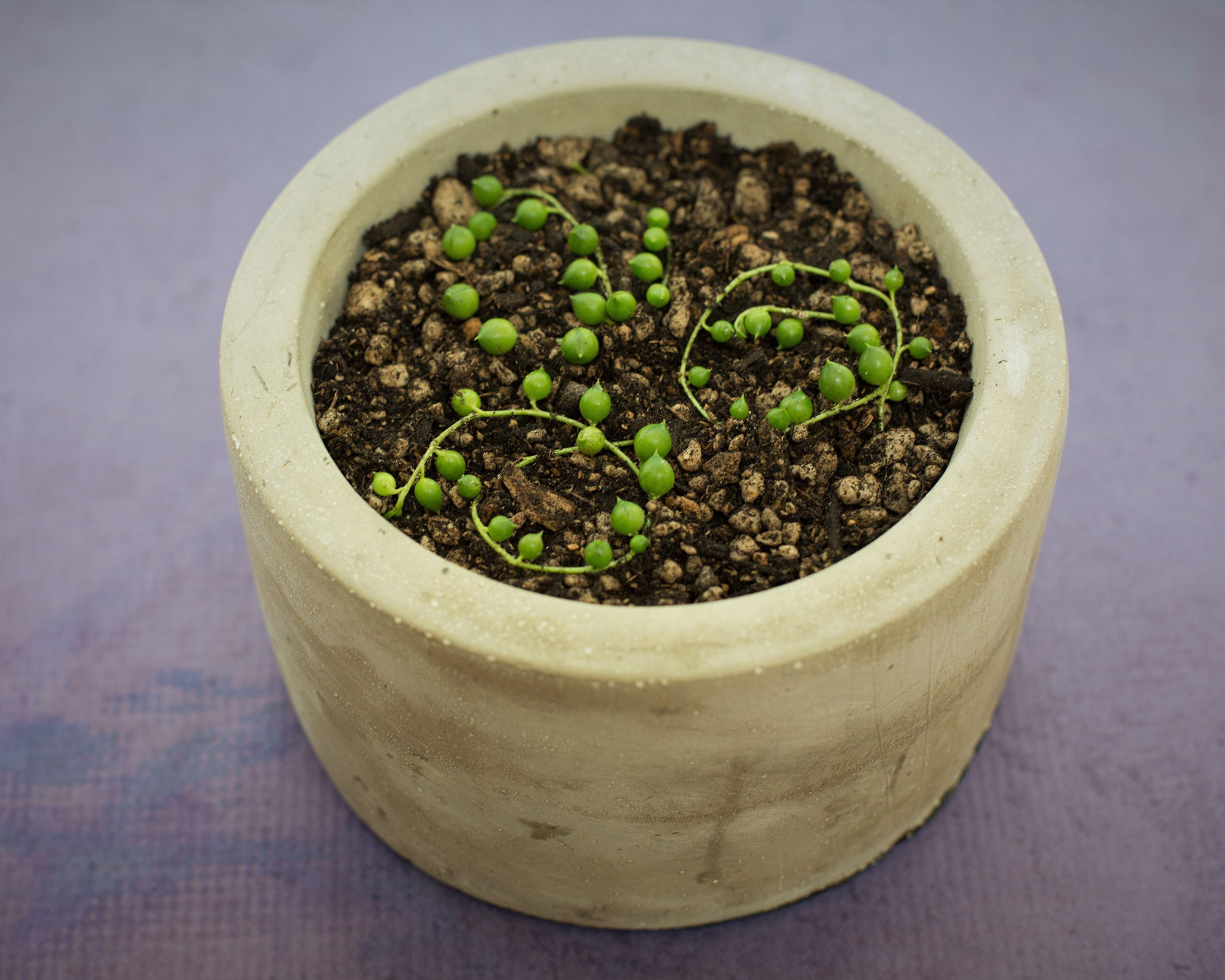
12. Christmas Cactus
Christmas cactus is usually propagated from stem segments, but because its segments are leaf-like, many growers treat it similarly in everyday language.
Twist off a few healthy segments, let them dry briefly, then insert the base into a light potting mix.
Best tip
Do not plant too deeply. Just enough to anchor the lower segment is sufficient.

13. Pilea peperomioides
Chinese money plant is usually propagated from pups, but leaves with a bit of stem tissue attached can sometimes root and, in the right circumstances, grow on.
This is less dependable than succulent leaf propagation, but still worth trying if you enjoy experimentation.
Best tip
A plain leaf without enough tissue may root but never produce a full new plant, so expectations should stay realistic.

14. Mother of Thousands/ Kalanchoe
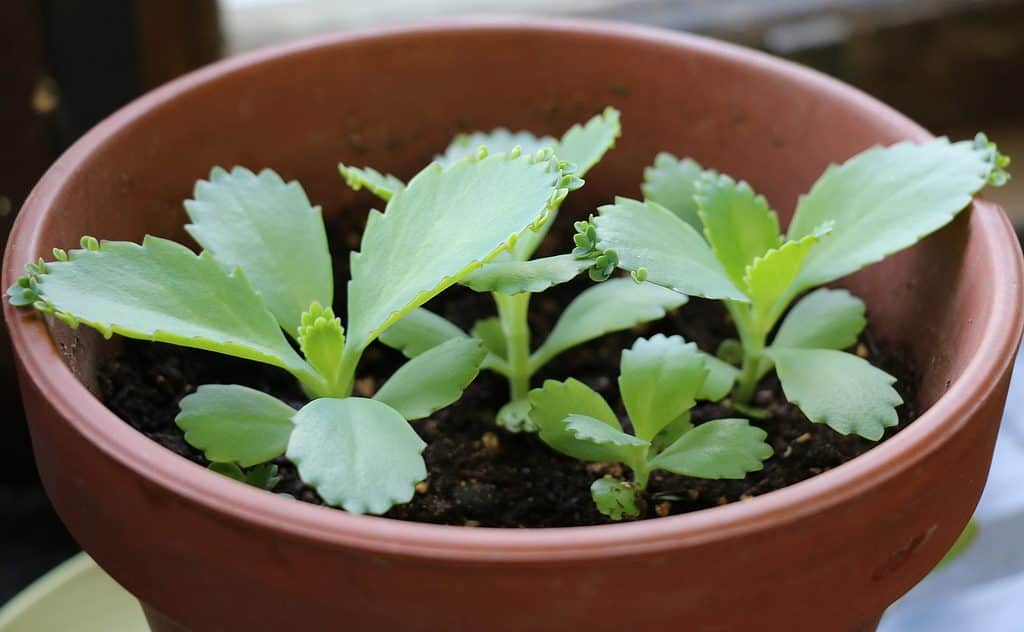
This is one of the easiest and most dramatic leaf propagators because it often makes baby plantlets along the leaf edges.
Those tiny babies can be removed and placed on soil, where they root quickly.
Best tip
Be careful what you wish for. This plant propagates so readily that it can become more abundant than you planned.
How long to wait: 1-2 weeks for plantlets
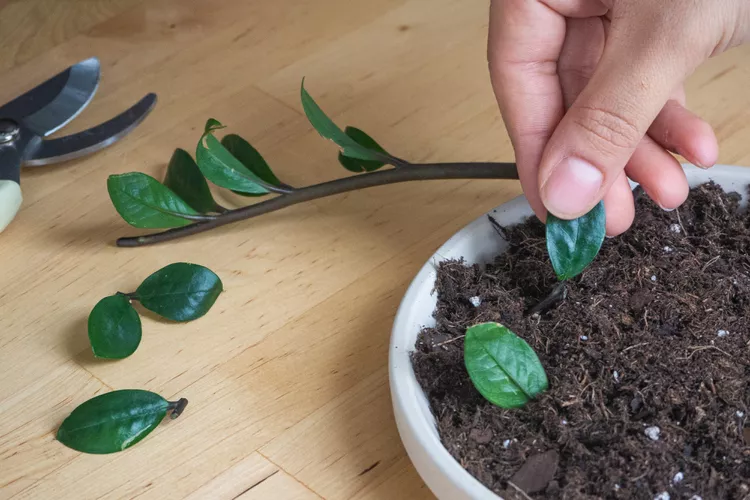
15. ZZ Plants
Plucking a single leaf from a ZZ stem starts a slow-motion marathon.
Insert it directly into a lightly damp mix of perlite and peat, then wait. It takes several months for the leaf base to swell into a small, potato-like bulb. Yes, you read that right.…
Best tip
Your success depends on indirect light and a strict “less is more” watering schedule.
How long to wait: 3-9 months for noticeable growth
16. Haworthia/ Zebra cactus
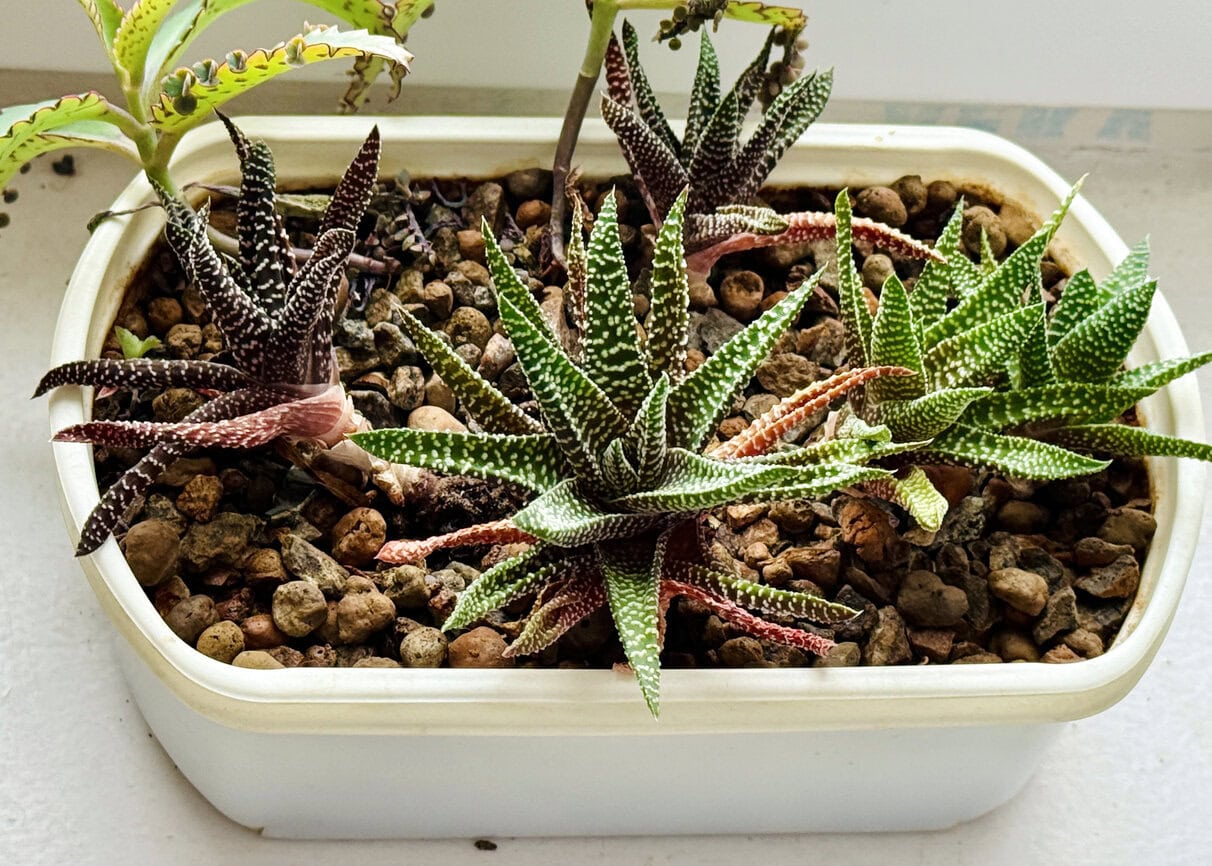
Zebra cactus rarely tolerates leaf propagation, preferring to grow from offsets instead. But if you insist, pull a leaf with a slight sideways tug to ensure the white, crescent-shaped base remains intact.
Best tip
Let it dry on a shelf for about ten days. Then, place the calloused end on dry cactus soil. After that, settle in, it can take months before anything happens.
How long to wait: 3-6 months or longer
Soil, water, and light: the three places most people go wrong
Soil
Use a light, airy mix. For succulents, choose a gritty cactus blend or add extra perlite and coarse material. For begonias and African violets, use a lighter indoor plant mix that holds some moisture without staying dense.
Water
This is where many propagations fail. Fresh leaves do not need heavy watering. Slight moisture is enough. A soaked medium invites rot before roots ever form.
Light
Bright indirect light is usually the sweet spot. Too little light slows the process. Too much sun dehydrates the leaf before it can establish.
How long does leaf propagation take?
Longer than most people want, but faster than many people fear. Some leaves start rooting within a couple of weeks. Producing a noticeable new plant usually takes longer. Succulents may show roots first, then tiny rosettes. African violets and begonias may take weeks or months to produce visible plantlets.
The right mindset is this: check gently, not constantly. Disturbing leaves too often slows progress.
Common mistakes that ruin leaf propagation
One of the biggest is using damaged leaves. Another is watering too much. A third is giving up too early.
Other common mistakes include:
- burying succulent leaves too deeply
- skipping the callusing stage for fleshy plants
- placing cuttings in harsh direct sun
- using heavy, compact soil
- trying to propagate from weak winter growth
A simple propagation routine that works
Choose two or three healthy leaves at a time rather than one. Label them if you are testing different plants. Keep them where you naturally pass by, so you can observe without fussing. Check for shriveling, rot, and new roots once or twice a week.
Once baby plants are clearly forming and the original leaf begins fading, let the new plant grow a little stronger before potting it on.
Final thoughts
Leaf propagation is one of the most satisfying ways to grow more plants from what you already have. African violet, snake plant, jade plant, echeveria, sedum, kalanchoe, burro’s tail, begonia, peperomia, rex begonia, string of pearls, Christmas cactus, Pilea peperomioides, and mother of thousands all offer good opportunities to practice the skill.
The real reward is not only the extra plants. It is the change in the way you garden. You become more observant, more patient, and more aware of how growth begins. And once you learn to turn one healthy leaf into a thriving new plant, everyday plant care starts to feel richer, calmer, and more deeply connected to the life unfolding in front of you.