Deep shade can feel like one of the hardest garden conditions to work with. Many flowering plants refuse to bloom well there. Colors disappear. Growth slows down. Beds under trees or along the north side of a house can start to feel more like a problem than an opportunity.
But deep shade is not a dead zone. In fact, it can become one of the most peaceful, textured, and memorable parts of a garden when you choose plants that truly belong there. The secret is to stop forcing sun-loving plants into low-light conditions and start building with species that are naturally adapted to filtered light, cool soil, and slower moisture loss.
Once that shift happens, gardening gets easier. Maintenance becomes more sensible. Plantings stay healthier. And the space begins to feel intentional rather than neglected. A well-designed deep-shade bed can be just as dramatic as a sunny border, only in a quieter, more layered way.
Why deep shade gardening needs a different strategy
Deep shade changes how a garden works. Soil often stays cooler. Moisture can linger longer in some places but dry out fast under large tree roots in others. Flower color reads differently. Leaf shape and texture matter more. Growth is often slower, but the plants that thrive there tend to create a calm, settled beauty that lasts for years.
This is why deep-shade gardening is less about chasing nonstop bloom and more about building a strong composition with foliage, seasonal flowers, and reliable structure. If you garden this way, even the darkest corner can become one of the most satisfying areas to tend.
What makes a plant successful in deep shade?
The best deep-shade plants usually share a few traits:
- They tolerate limited direct sun
- They appreciate cool, organic-rich soil
- They often offer beautiful foliage as well as flowers
- They do not demand constant drying and rewetting
- They create texture, shape, and rhythm even when not in bloom
That means success comes from matching plant choice to site conditions, then helping those plants settle into a stable routine with mulch, compost, and thoughtful watering.
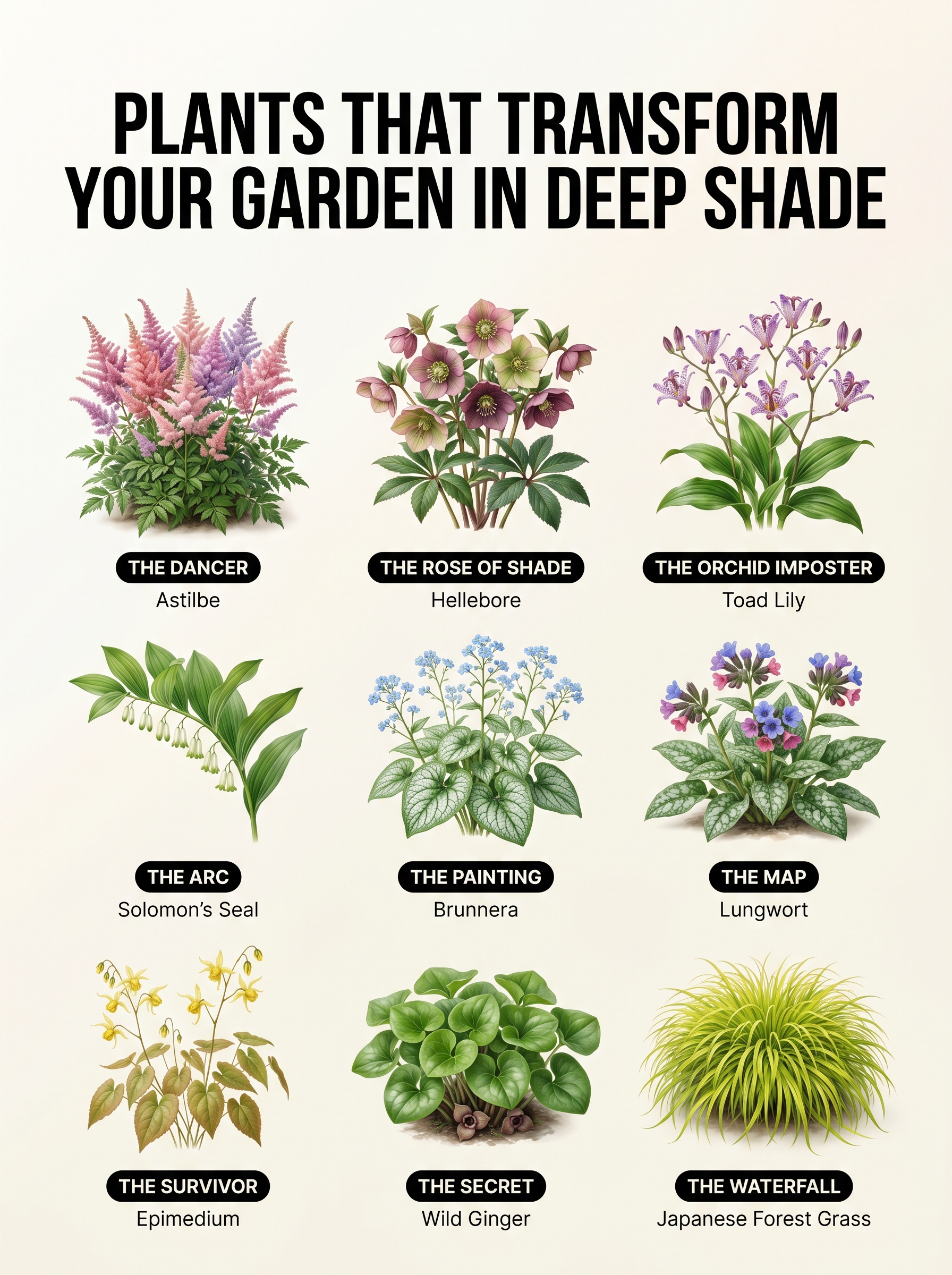
1. Astilbe: soft plumes that brighten dark spaces
Astilbe is one of the best ways to bring gentle color and upright softness into a shady bed. Its feathery flower plumes rise above fern-like foliage and make deep shade feel lighter and more alive.
Astilbe is especially useful near paths, fences, or woodland borders where you want a plant that adds bloom without looking stiff.
Practical care tip:
Keep the soil evenly moist, especially in late spring and early summer. Astilbe is not the plant to ignore during dry spells. When moisture drops too often, leaf edges can brown and flowering weakens.
Best use in the garden:
Plant it in drifts rather than as isolated clumps. Repeated groups create a stronger visual effect and make the space feel deliberate.

2. Hellebore: the elegant early-season anchor
Hellebores are among the most valuable shade plants because they bring beauty when the garden still feels half asleep. Their nodding flowers appear early, often before much else is happening, and their leathery foliage gives structure for months.
They are ideal for gardeners who want a refined, long-lasting plant that works hard without demanding constant attention.
Practical care tip:
Remove old, tattered leaves in late winter before the new flowers and foliage emerge. This simple cleanup improves airflow, reduces disease risk, and makes the blooms far easier to see.
Best use in the garden:
Place hellebores where you pass often in cooler months, near an entry, walkway, or patio edge. Their beauty is subtle, and you appreciate it most when it is close at hand.

3. Toad Lily: the unexpected star of late shade gardens
Toad lily is one of those plants that surprises people. When much of the garden is slowing down, it begins producing delicate, speckled orchid-like flowers that reward close looking. It thrives in deep or dappled shade and adds a refined, almost woodland-exotic feeling to the bed.
Practical care tip:
Protect it from drying winds and harsh afternoon exposure. Even though it tolerates low light well, it still performs best when the soil stays cool and consistently moist.
Best use in the garden:
Put toad lily near a path or seating area. Its flowers are too intricate to waste in the back of a border where no one can appreciate them.

4. Solomon’s Seal: graceful lines that calm the whole bed
Solomon’s Seal brings movement and elegance to deep shade. Its arching stems and hanging bell-like flowers create a flowing, natural look that is hard to replicate with stiffer plants.
It is especially helpful when you need a plant that connects low, broad foliage to taller shade plants without making the bed feel heavy.
Practical care tip:
Give it room to spread slowly. It is not aggressive in most gardens, but it does look better when allowed to drift into a colony over time instead of being boxed into a tight spot.
Best use in the garden:
Use it in repeated sweeps under trees or along shaded fences. It shines when planted in a way that lets the stems form graceful layers.

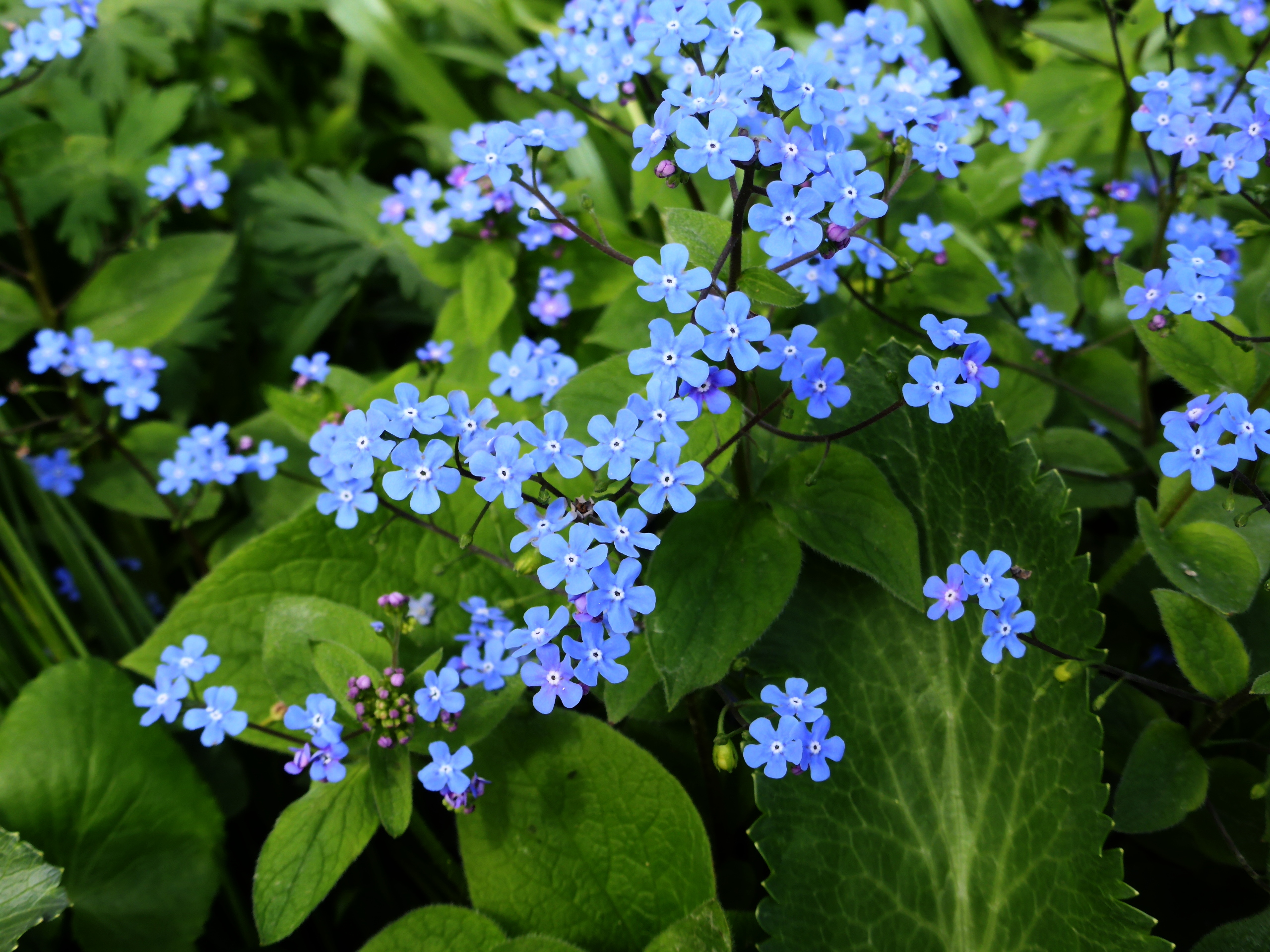
5. Brunnera: silver foliage that glows in low light
Brunnera is a gift for dark gardens because its heart-shaped leaves, often washed with silver, seem to catch what little light is available. Its small blue spring flowers are charming, but the foliage is what makes it indispensable.
Practical care tip:
Do not let it bake in reflected heat or dry out repeatedly. Even shade plants can scorch if the site becomes hotter than expected, especially near walls or paving.
Best use in the garden:
Use Brunnera to brighten the middle of a bed. It pairs beautifully with darker greens, ferns, hostas, and purple-toned foliage.
6. Lungwort: early flowers and patterned leaves in one package
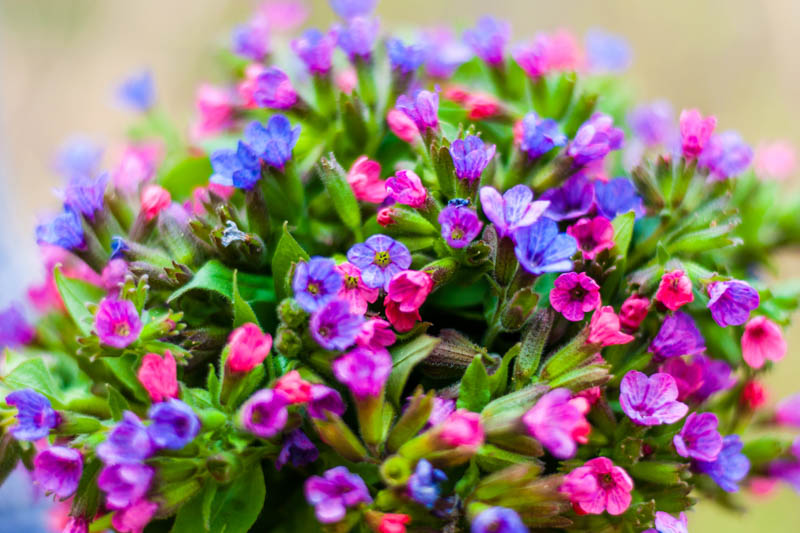
Lungwort is one of the most useful deep-shade perennials because it offers both spring flowers and decorative foliage. The leaves are often spotted or silver-marked, which adds texture long after blooming ends.
Practical care tip:
After flowering, trim away worn leaves if they begin looking rough. Fresh new foliage often follows, and the whole clump looks tidier for the rest of the season.
Best use in the garden:
Plant lungwort where the leaf pattern can be appreciated up close. It works especially well along paths and under deciduous shrubs.
7. Epimedium: the tough, graceful problem-solver
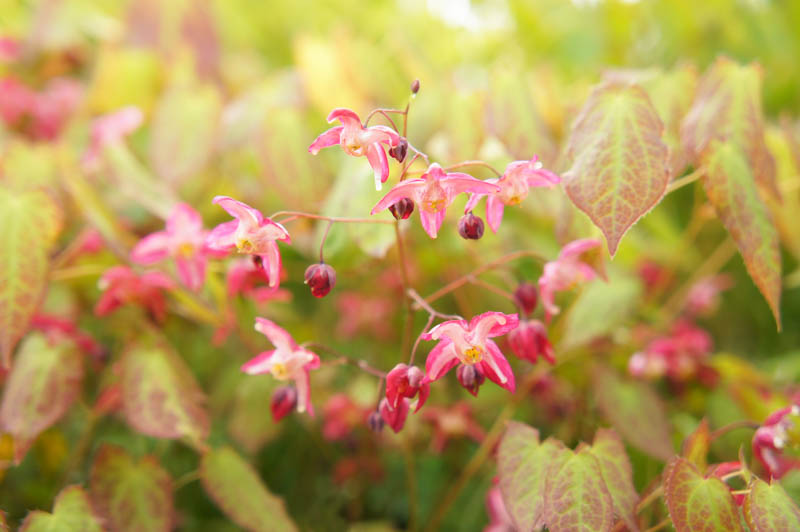
Epimedium is not always the first plant people think of, but it is one of the most dependable for dry shade and difficult spots under trees. Its delicate flowers and refined foliage hide the fact that it is an exceptionally resilient plant once established.
Practical care tip:
Cut back old foliage in late winter or very early spring before the new leaves and flowers push through. This keeps the clump fresh and lets the blooms show properly.
Best use in the garden:
Use epimedium in the hardest places first, under tree canopies, in root-filled dry shade, or in neglected side beds where fussier plants fail.
8. Wild Ginger: the quiet groundcover that makes shade look finished
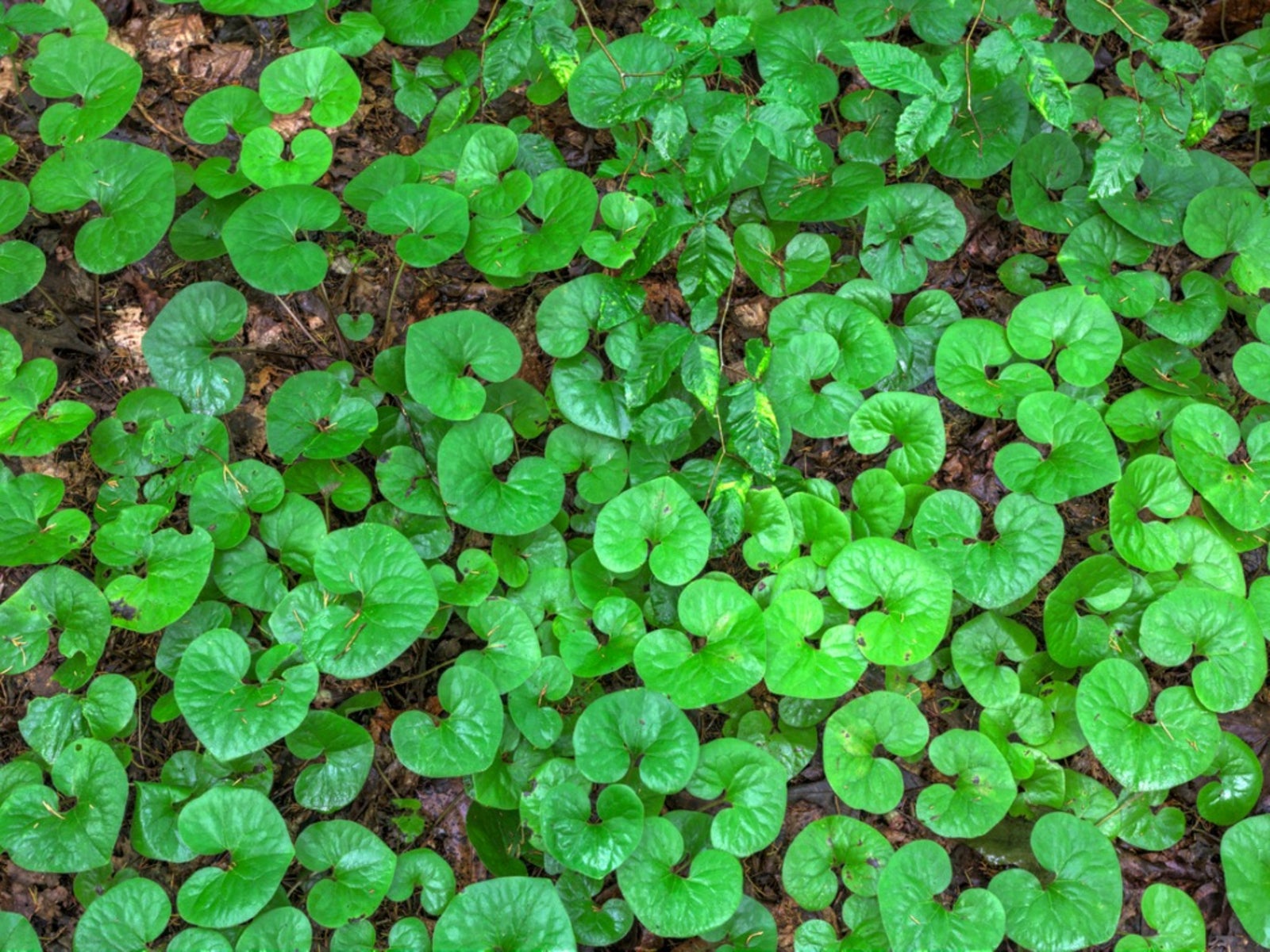
Wild ginger is one of the best plants for knitting a shade garden together. It forms a low, glossy, leafy carpet that helps suppress weeds and makes a bed look complete rather than patchy.
Its flowers are hidden and subtle, but that is not the point. The true value is how well it settles the ground plane.
Practical care tip:
Mulch lightly with leaf mold or compost to help it establish. It prefers soil with organic matter and rewards you by gradually filling in with handsome foliage.
Best use in the garden:
Plant it beneath taller shade perennials to unify the bed and cover bare soil around their stems.
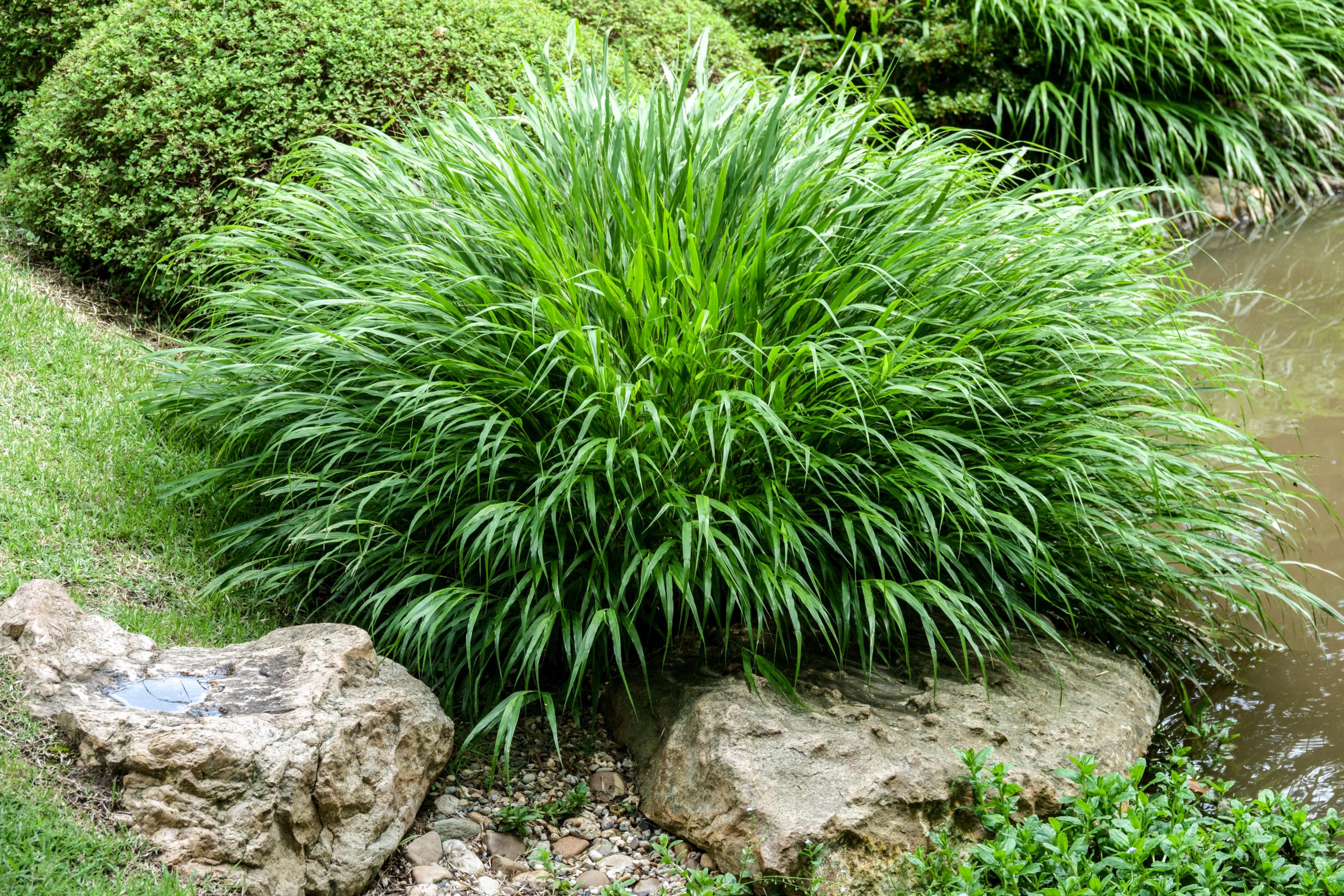
9. Japanese Forest Grass: movement, contrast, and softness
Japanese forest grass brings something rare to deep shade: motion. Its arching leaves spill like a fountain and soften edges, stones, paths, and darker masses of foliage.
It is one of the best finishing plants for a shade design because it adds contrast in both form and often color, especially in golden or striped varieties.
Practical care tip:
Keep it consistently watered during establishment. Once settled, it becomes easier, but young plants need stable moisture to bulk up well.
Best use in the garden:
Place it at the edge of a bed, beside a path, or near steps where its cascading form can be seen fully.
How to combine these plants for a deep shade bed that feels rich, not flat
A successful deep-shade planting usually needs three layers.
Use vertical accents
Astilbe, Solomon’s Seal, and toad lily create upright or arching movement that keeps the bed from feeling low and static.
Build the middle layer with foliage stars
Hellebore, Brunnera, and lungwort provide the visual heart of the planting. Their leaves carry the design when flowers are finished.
Finish with ground-level softness
Epimedium, wild ginger, and Japanese forest grass help cover bare soil, reduce weeds, and make the whole area feel mature.
When layered well, these plants create shade gardens that feel cool, lush, and deeply intentional.
Practical care habits that make deep shade gardening easier
Feed the soil, not just the plant
Deep-shade beds often improve dramatically when you add compost, leaf mold, or shredded organic matter once or twice a year. This supports moisture balance and mimics the woodland conditions many shade plants prefer.
Watch tree-root competition
Shade does not always mean moist soil. Under large trees, roots can pull water away surprisingly fast. Check moisture below the surface before assuming the bed is fine.
Do small cleanups often
Shade beds look best when old leaves, spent flower stalks, and damaged growth are removed regularly. Because the spaces are more intimate, small messes show quickly.
Choose patience over constant rearranging
Many shade plants improve with time. The first year can look modest. By the second and third years, drifts thicken, textures connect, and the planting begins to look effortless.
Final thoughts: deep shade is not a limitation, it is a design style
The most beautiful deep-shade gardens do not try to imitate sunny borders. They embrace what shade does best: cool color, layered leaves, quiet movement, and moments of detail that reward close attention.
Astilbe brings lightness. Hellebore gives early beauty. Toad lily surprises late in the season. Solomon’s Seal adds grace. Brunnera and lungwort brighten dark corners. Epimedium solves hard spots. Wild ginger grounds the planting. Japanese forest grass makes it flow.
That is how a difficult shady area becomes one of the most elegant parts of the garden. Not by forcing it to be something else, but by planting with the place instead of against it.