A low-light room does not have to feel empty, flat, or difficult to decorate with plants. In fact, some of the most relaxing indoor spaces come alive with hanging greenery: soft trailing vines, arching fern fronds, and elegant foliage that turns an ordinary corner into something calmer and more welcoming. The key is not forcing sun-loving plants into dim conditions. The key is choosing houseplants that are naturally better adapted to softer indoor light.
That one decision changes everything. Watering becomes easier. Growth becomes more predictable. Leaves stay healthier. And instead of constantly troubleshooting yellowing, crisping, or stalled growth, you start enjoying the plant care routine itself.
If you want a home that feels greener without needing a wall of south-facing windows, these low-light hanging plants are some of the best choices you can grow.
Why low-light hanging plants are so useful indoors
Hanging plants solve two common indoor gardening problems at once. First, they use vertical space, which is perfect for apartments, offices, and smaller rooms. Second, they bring softness into places where floor plants might feel bulky or impractical.
They work especially well in:
- bedrooms with filtered morning light
- offices with bright ambient light but little direct sun
- living room corners near, but not directly in, a window
- bathrooms with humidity and soft natural light
- shelves and wall brackets where trailing growth can spill naturally
The biggest mistake people make is thinking “low light” means “no light.” It does not. These plants still need daylight. They simply tolerate lower levels better than sun-hungry species.
Before you buy: what “low light” really means
In practical indoor gardening, low light usually means:
- a room with natural daylight but no strong direct sun
- a spot several feet away from a window
- east- or north-facing exposure
- gentle filtered light for much of the day
Most of these plants will still grow faster and fuller in medium indirect light than in a truly dim corner. A good rule is simple: if you can comfortably read there during the day without turning on a lamp, many low-light houseplants can usually manage.
For U.S. readers, USDA zones matter mostly if you plan to move these plants outdoors seasonally. As indoor plants, light, humidity, and temperature matter more than hardiness zones. Still, many of these are tropical or subtropical plants that would only live outdoors year-round in warm frost-free zones.
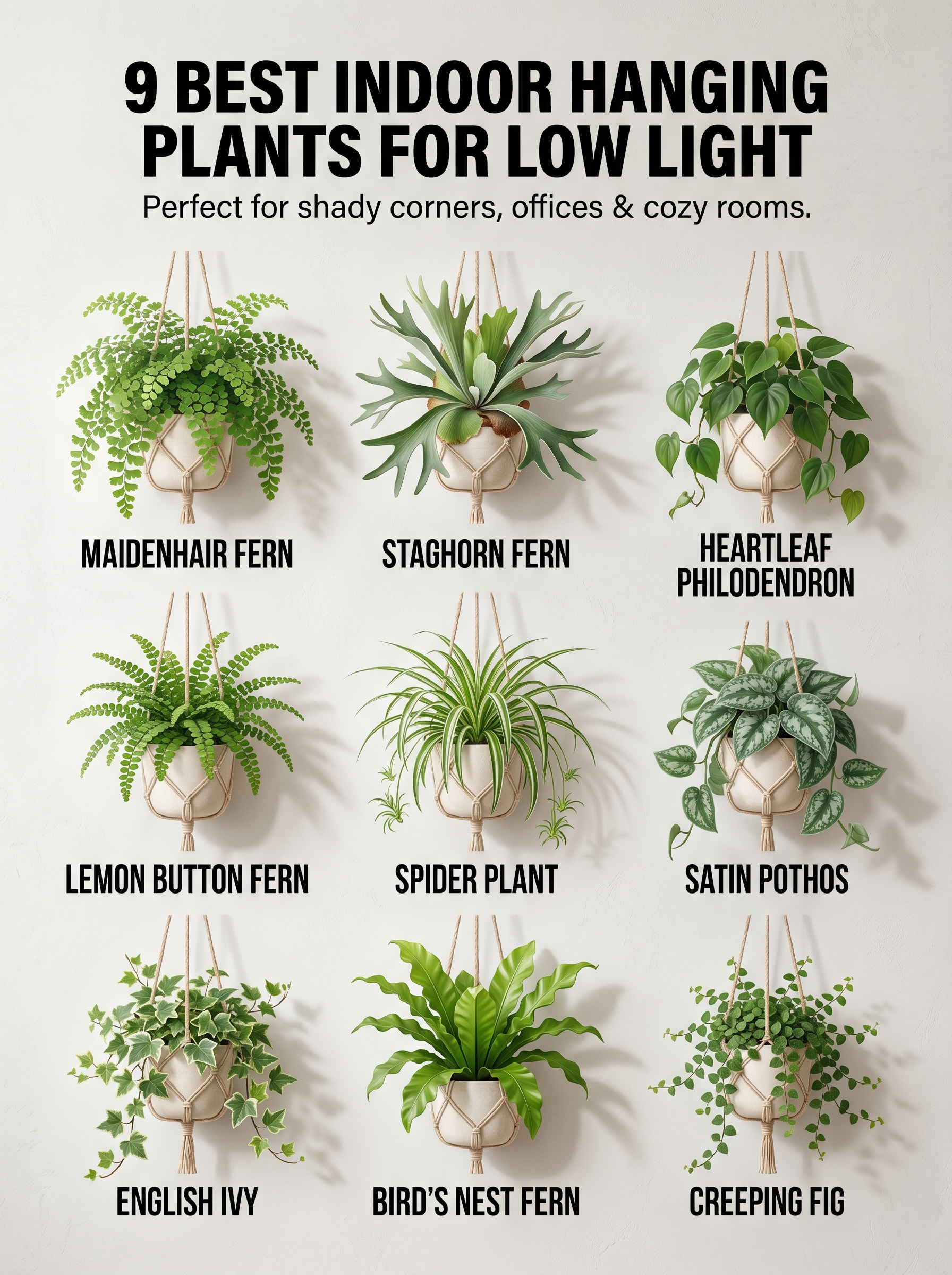
1. Maidenhair Fern: soft texture for calm, elegant spaces
Maidenhair fern is one of the most graceful hanging plants you can grow. Its delicate leaflets and airy shape bring a light, refined look that works beautifully in bathrooms, bedrooms, and soft-lit living spaces.
Plant character
- fine-textured, feathery foliage
- loves humidity
- elegant but more sensitive than tougher beginners’ plants
Best placement
A bright bathroom, a humid corner near a window, or a spot with filtered morning light.
Practical care tip
Do not let maidenhair fern dry out completely. This is not the kind of plant that forgives long dry spells. Keep the soil lightly and evenly moist, and raise humidity around it if your home air is dry.
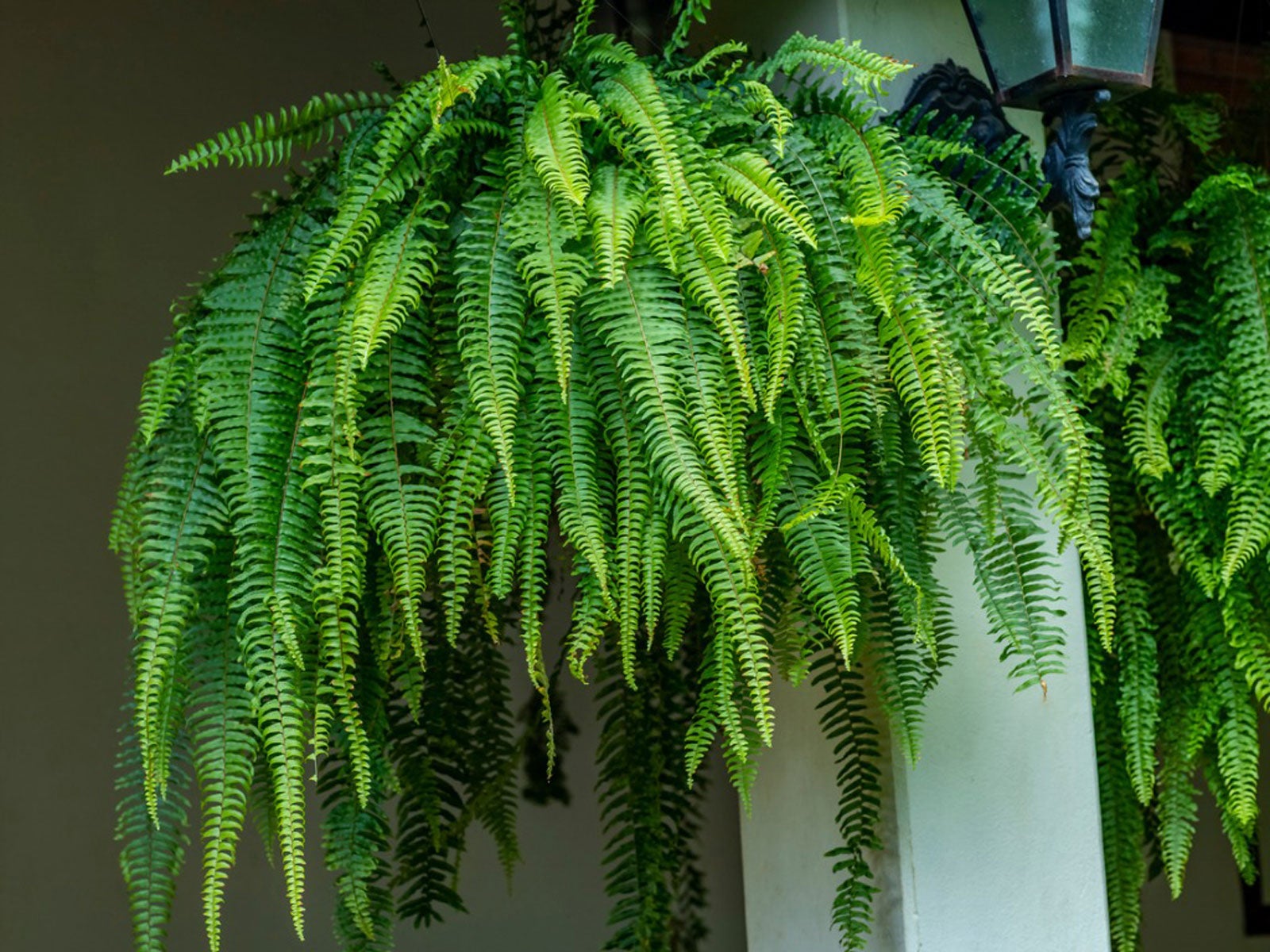
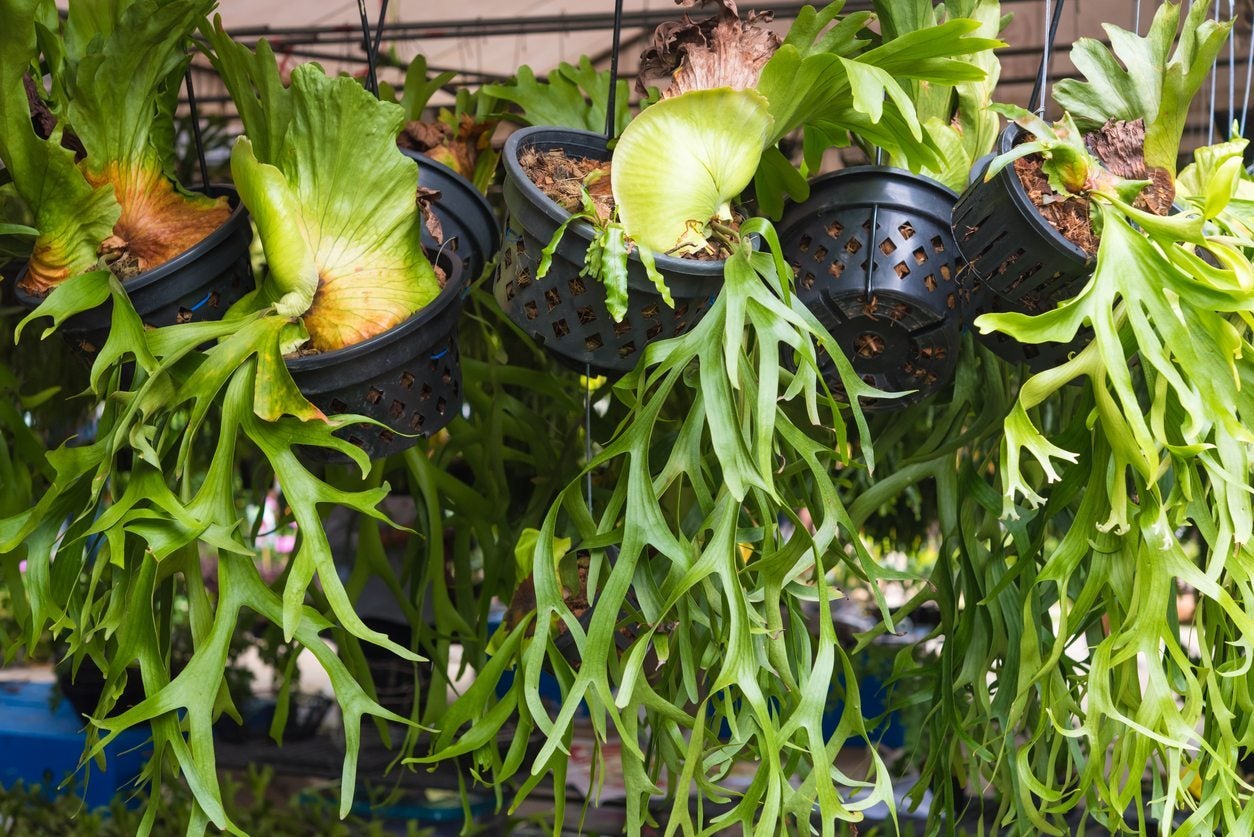
2. Staghorn Fern: bold shape, sculptural appeal
Staghorn fern is perfect if you want something a little more artistic. Its antler-like fronds make it feel more like a living wall piece than a standard hanging basket.
Plant character
- dramatic, sculptural form
- epiphytic growth habit
- appreciates airflow and humidity
Best placement
Near a bright, indirect light source where its shape can be appreciated at eye level.
Practical care tip
Water thoroughly, then allow it to dry slightly before watering again. If mounted or grown in a very airy basket, it may need soaking rather than light surface watering.
3. Heartleaf Philodendron: one of the easiest low-light trailers
If you want a dependable, forgiving hanging plant, heartleaf philodendron is one of the best. It trails beautifully, adapts to indoor life well, and grows with very little drama.
Plant character
- soft trailing vines
- heart-shaped leaves
- easygoing and beginner-friendly
Best placement
Bookshelves, high plant stands, wall hooks, or hanging planters in bedrooms and living rooms with medium to low indirect light.
Practical care tip
Trim the vines regularly if you want fuller growth. Cutting back leggy stems encourages branching and makes the plant look much more lush.

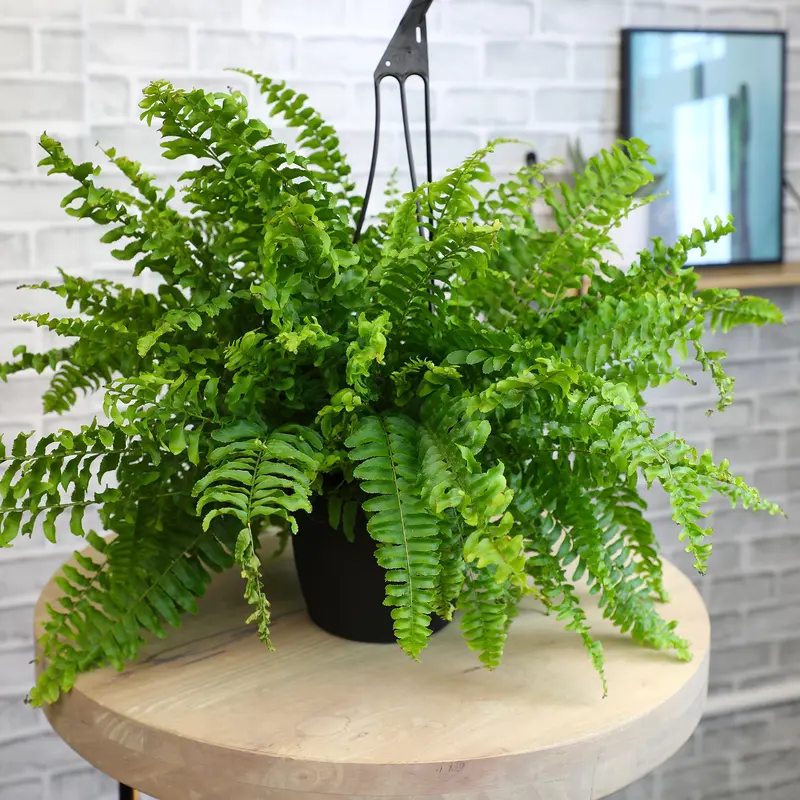
4. Lemon Button Fern: compact, cheerful, and tidy
Lemon button fern has a softer, more compact look than larger ferns. It brings the same fresh green feeling but fits better in smaller hanging containers.
Plant character
- rounded, neat fronds
- compact and cheerful appearance
- appreciates steady moisture and humidity
Best placement
Smaller rooms, kitchens, bathrooms, and office corners with filtered natural light.
Practical care tip
Keep it away from heating vents and blasting air conditioners. Sudden dry air can make fern foliage decline quickly, even if the watering seems fine.
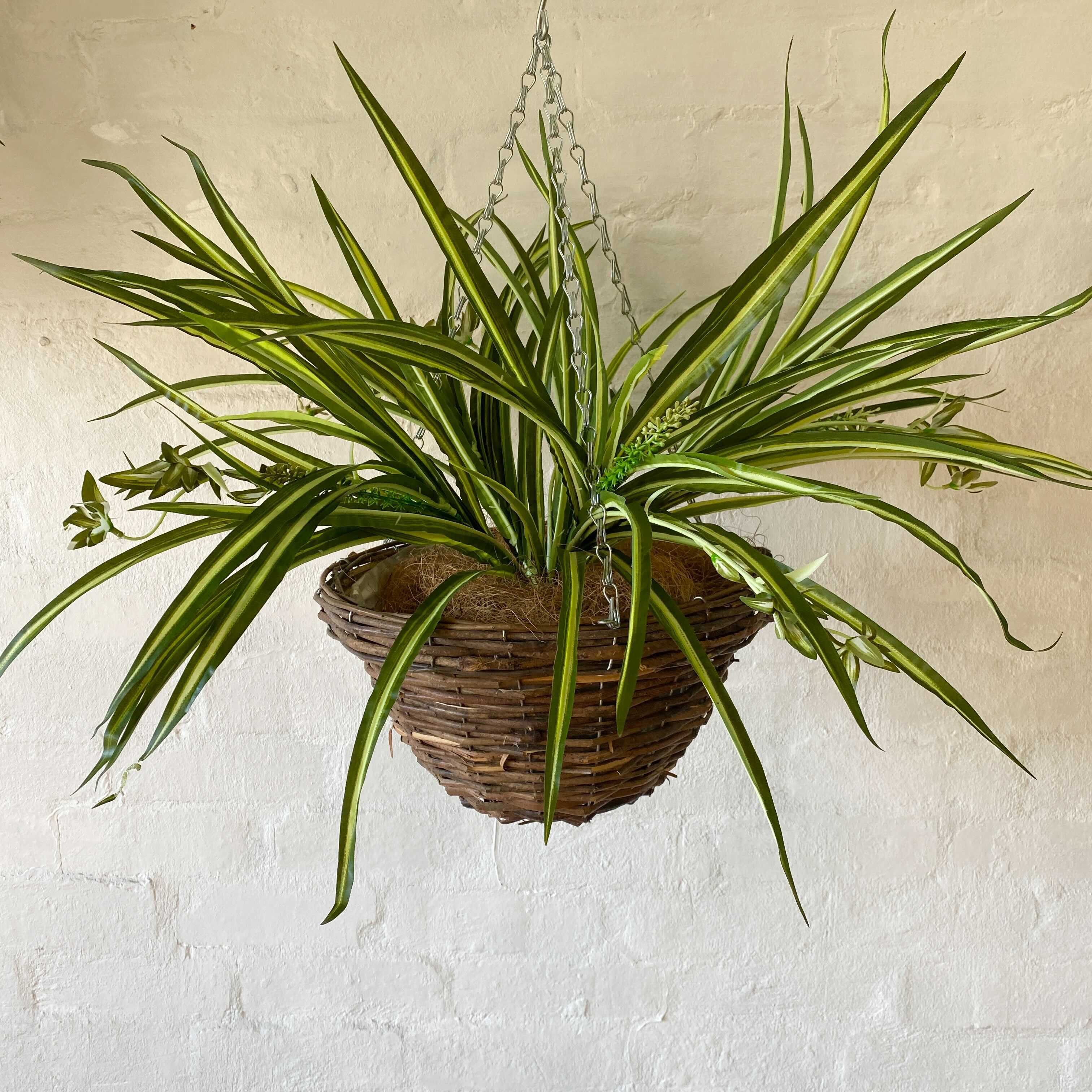
5. Spider Plant: one of the most reliable low-light hanging plants
Spider plant remains a favorite for a reason. It is adaptable, fast-growing, and often sends out baby plantlets that make the whole hanging basket feel lively and abundant.
Plant character
- arching striped leaves
- easy to propagate
- forgiving and productive
Best placement
Offices, kitchens, bedrooms, and shelves near bright or medium indirect light.
Practical care tip
Do not keep the soil constantly soggy. Spider plants like moderate moisture, but they are happier when the top layer of soil gets a little dry before the next watering.
6. Satin Pothos: beautiful foliage for lower-light rooms
Satin pothos is especially valuable because it brings something more than green. Its silvery-patterned leaves catch soft indoor light beautifully and add visual interest even when the room itself is quiet and neutral.
Plant character
- trailing growth
- soft matte leaves with silver markings
- elegant, decorative foliage
Best placement
Bedrooms, reading nooks, shelves, and wall planters where the leaf pattern can be seen up close.
Practical care tip
If the silver markings begin fading and the plant gets leggy, move it a little closer to the light source. It tolerates lower light, but stronger indirect light helps it keep its best color.

7. English Ivy: classic trailing texture with strong visual impact
English ivy creates that traditional trailing look many people want in a hanging basket. It can soften sharp indoor lines and make a room feel more layered and established.
Plant character
- trailing, cascading vines
- classic ivy shape
- strong decorative value
Best placement
Cooler indoor rooms with decent airflow and steady ambient light.
Practical care tip
Do not let ivy become a dust trap. Rinse or wipe the leaves occasionally. Cleaner foliage looks better and uses indoor light more effectively.

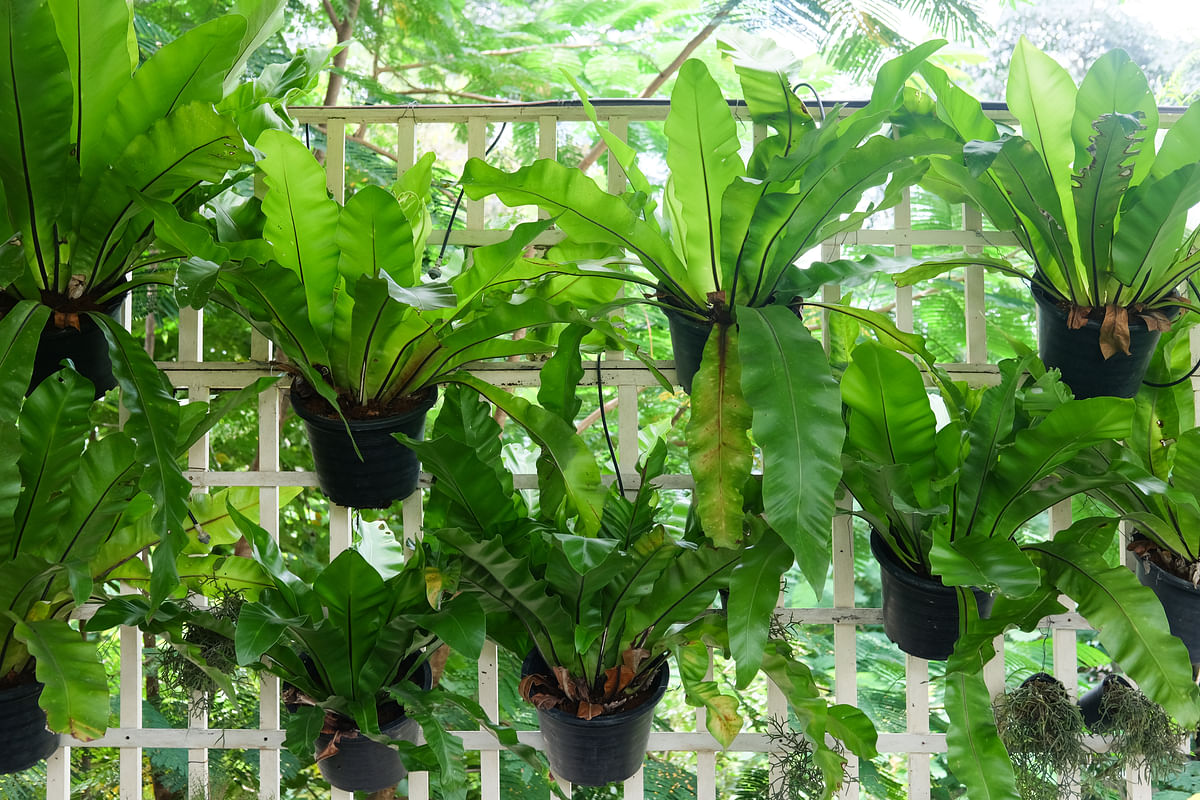
8. Bird’s Nest Fern: bold, simple, and lush
Bird’s nest fern is a great choice if you want a hanging plant that feels tropical but not fussy-looking. Instead of many small fronds, it gives you wide, rippling leaves that feel lush and architectural.
Plant character
- broad, wavy leaves
- upright fountain-like shape
- tropical and clean-looking
Best placement
Bathrooms, bedrooms, and low-to-medium light rooms with decent humidity.
Practical care tip
Water the soil, not the center crown. If water repeatedly sits in the middle of the plant, it can lead to rot.
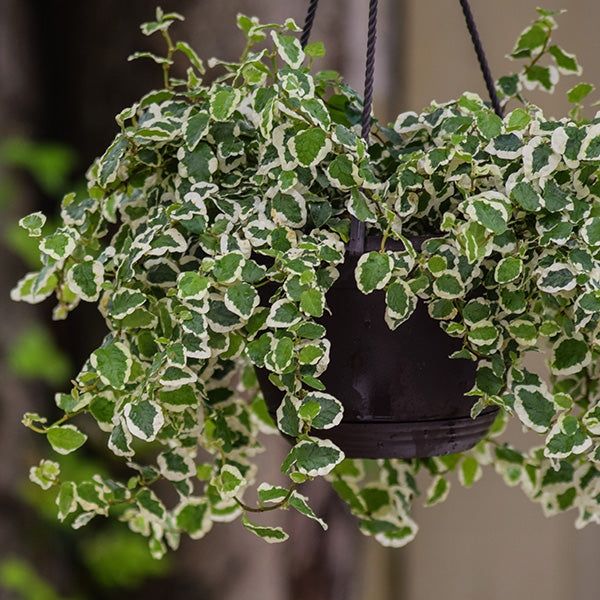
9. Creeping Fig: small leaves, big charm
Creeping fig is excellent for creating a softer, draping effect. Its tiny leaves make it feel gentle and detailed, which is especially useful if you want hanging plants that do not look heavy.
Plant character
- small trailing foliage
- delicate texture
- attractive for softening shelves and corners
Best placement
Hanging baskets in bright-to-medium indirect light, especially where the vines can spill naturally.
Practical care tip
Do not ignore it for too long. Creeping fig is beautiful, but it looks best with light trimming and consistent moisture rather than total neglect.
Which of these are best for beginners?
If you want the easiest path to success, start with:
- Heartleaf Philodendron
- Spider Plant
- Satin Pothos
- Bird’s Nest Fern if your humidity is decent
These plants usually forgive small mistakes better than maidenhair fern or creeping fig.
If you already have some indoor gardening experience and want more texture or personality, try:
- Maidenhair Fern
- Staghorn Fern
- English Ivy
- Lemon Button Fern
How to care for low light hanging plants without overwatering them
One of the most common indoor plant mistakes is watering on habit instead of plant response. In lower light, soil dries more slowly. That means many hanging plants need less frequent watering, not more.
A better routine looks like this:
Check the soil before watering
Use your finger or a moisture meter. If the top inch is still damp, wait.
Match water to plant type
Ferns usually want steadier moisture. Philodendron, pothos, and spider plant prefer a slight dry-down between waterings.
Make drainage non-negotiable
Every hanging pot should drain well. Decorative hanging containers without drainage often create root trouble quietly and quickly.
Water thoroughly, then let excess escape
Do not give tiny sips over and over. A full watering followed by drainage is healthier for roots.
Light placement tips that make a real difference
Near a north-facing window
Good for ferns, philodendron, satin pothos, and spider plant.
A few feet back from an east-facing window
Excellent for most plants on this list, especially those that want soft morning light without harsh exposure.
Bright bathroom with indirect light
One of the best places for maidenhair fern, lemon button fern, bird’s nest fern, and staghorn fern.
Dark office corner
Use heartleaf philodendron, spider plant, or satin pothos first. These are more likely to handle lower ambient light gracefully.
Signs your low-light hanging plant needs a change
Watch for these clues:
It may need more light if:
- stems get long and sparse
- new leaves are smaller
- growth slows dramatically
- variegation or silver markings fade
It may need less direct exposure if:
- leaves scorch or bleach
- edges crisp suddenly
- fronds look faded and stressed after hot afternoon sun
Final thoughts: low light rooms can still be full of life
A home does not need blazing sun to feel green and alive. With the right hanging plants, even a softer room can become more inviting, restful, and full of texture. Maidenhair fern brings delicacy. Staghorn fern adds sculpture. Heartleaf philodendron and satin pothos trail beautifully. Spider plant gives easy abundance. Bird’s nest fern adds bold lushness. English ivy and creeping fig soften the edges.
That is the real secret of low-light indoor gardening: not forcing the wrong plant to survive, but choosing the kind of plant that naturally belongs there.
Once you do that, the whole experience changes. Care becomes simpler. Growth becomes steadier. And your home starts to feel not just decorated, but truly alive.