How to Eat Clean on $5 a Day Without Feeling Hungry All the Time
Eating clean on $5 a day sounds impossible, but smart ingredient planning can make cheap healthy meals surprisingly filling and sustainable.
A lot of people assume eating healthy automatically means:
- expensive grocery bills
- complicated meal prep
- “superfoods”
- organic everything
But the real trick behind low-cost healthy eating is usually much simpler:
Repeat basic ingredients in smarter combinations.
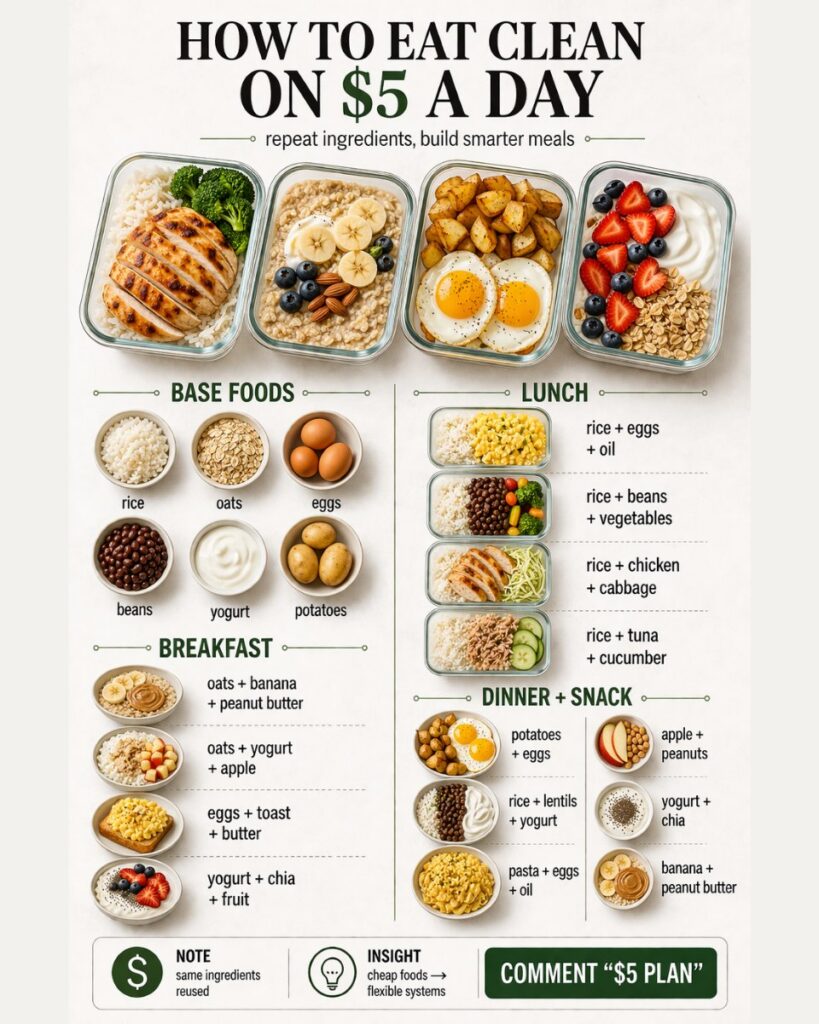
That’s exactly what the viral “$5 a Day Meal Plan” image is hinting at.
The foods shown are cheap, filling, flexible, and surprisingly nutrient-dense:
- rice
- oats
- eggs
- beans
- yogurt
- potatoes
- peanut butter
- tuna
- bananas
Individually, they look boring.
But combined strategically, they create meals that:
- keep you full longer
- stabilize energy
- reduce snacking
- simplify decisions
- lower grocery costs dramatically
That’s the part most people miss from the caption.
The goal is not just “cheap food.”
It’s building a repeatable eating system.
Why Repeating Ingredients Actually Saves Money
Most grocery waste comes from:
- buying too many unique ingredients
- unused vegetables spoiling
- random snacks
- impulsive convenience foods
When you reuse the same base foods across multiple meals, you:
- reduce waste
- buy larger cheaper portions
- simplify cooking
- make meal prep easier
This is why many fitness-focused meal plans repeat:
- oats
- eggs
- rice
- yogurt
- beans
- potatoes
They’re affordable but highly versatile.
The Core “$5 a Day” Base Foods
Rice
Cheap source of carbohydrates and meal volume.
Works with:
- eggs
- tuna
- chicken
- beans
- lentils

Oats
One of the cheapest high-fiber breakfast foods.
Helps with:
- fullness
- digestion
- steady energy
Eggs
Affordable protein with healthy fats and micronutrients.
Can be:
- boiled
- scrambled
- fried
- added to rice or pasta

Beans and Lentils
Very budget-friendly protein and fiber source.
Especially useful for:
- satiety
- digestion
- meal volume
Yogurt
Adds:
- protein
- probiotics
- creaminess
- better meal balance
Greek yogurt is usually more filling.
Potatoes
One of the highest satiety foods per calorie.
People often avoid potatoes unnecessarily, but boiled or roasted potatoes can actually help reduce overeating later.
Cheap Breakfast Ideas That Actually Keep You Full
The image shows simple combinations for a reason.
Adding fat or protein changes how long energy lasts.
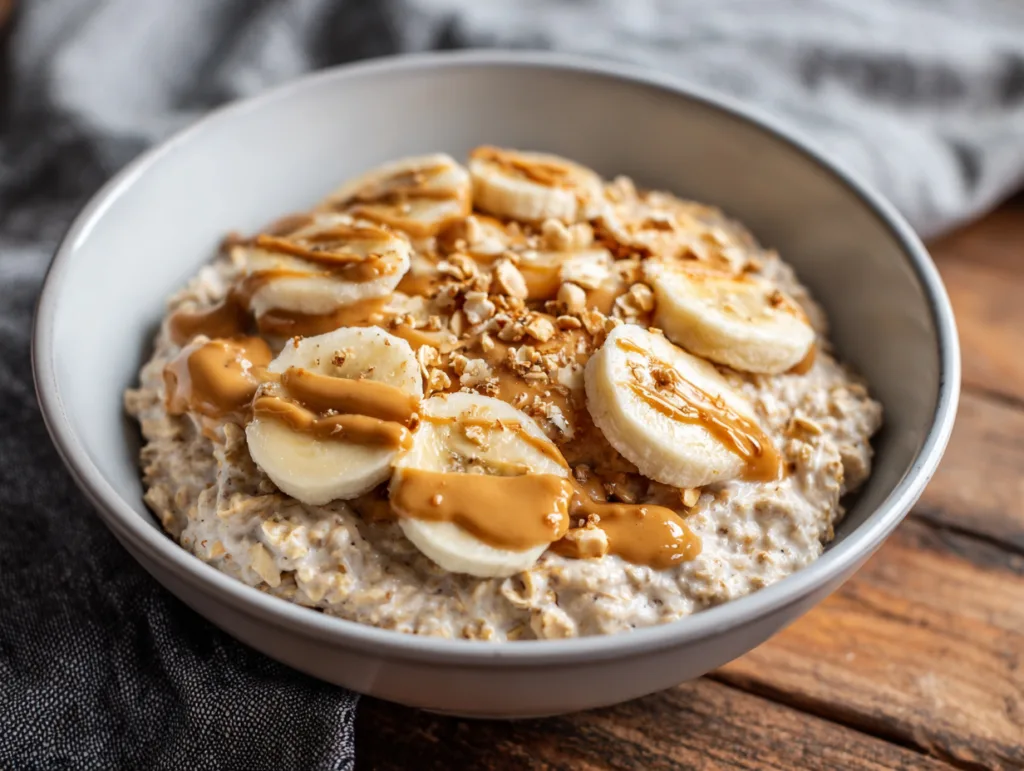
Oats + Banana + Peanut Butter
Why it works:
- oats = slow carbs
- banana = quick energy
- peanut butter = fat for slower digestion
Cheap, filling, and easy.
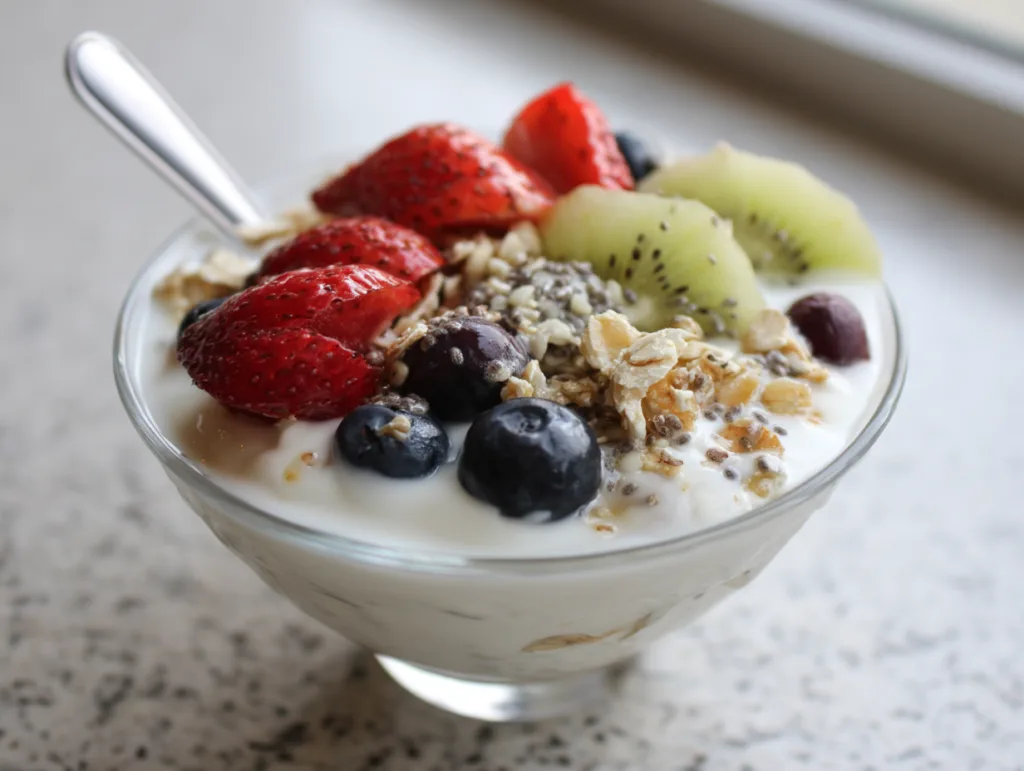
Yogurt + Chia + Fruit
This combo gives:
- protein
- fiber
- texture
- better satiety
Adding chia seeds slows digestion even more.
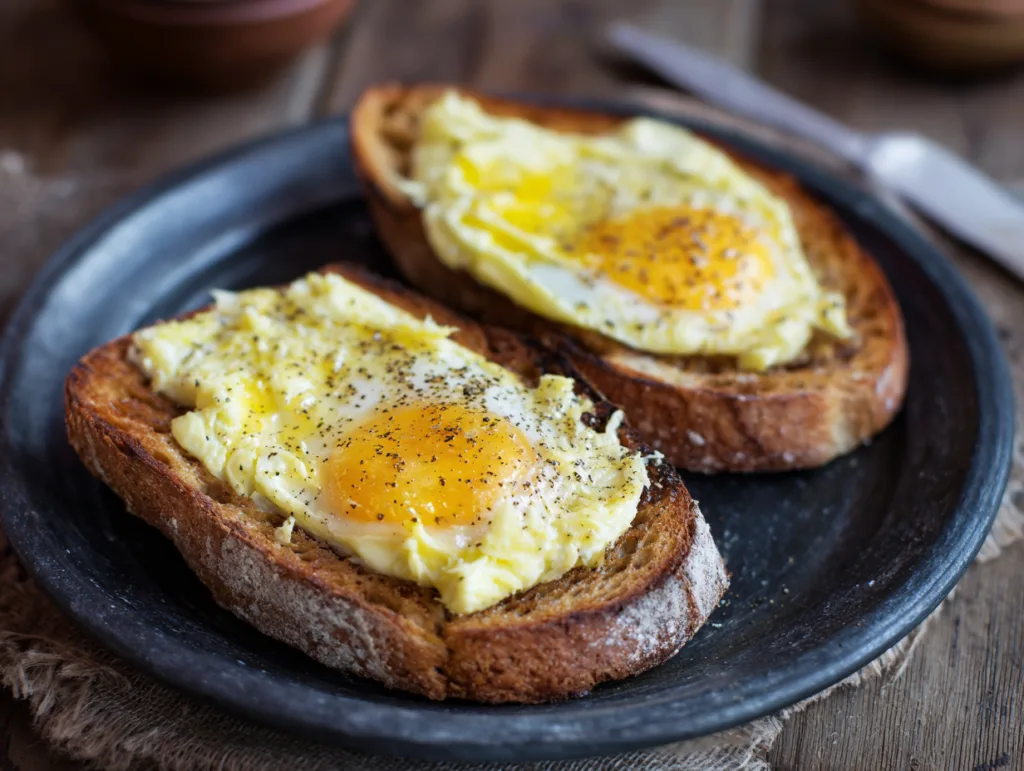
Eggs + Toast + Butter
Simple but effective.
Protein plus fat usually keeps hunger lower than sugary cereal breakfasts.
Budget Lunches That Feel More Filling
Rice + Eggs + Oil
Minimal ingredients, but surprisingly satisfying because:
- rice provides volume
- eggs provide protein
- oil slows digestion
Even olive oil or butter changes satiety dramatically.
Rice + Beans + Vegetables
One of the cheapest balanced meals possible.
Beans add:
- fiber
- protein
- fullness
Frozen vegetables often cost less and last longer than fresh produce.
Rice + Tuna + Cucumber
Very common in low-budget fitness meal plans.
High protein without requiring expensive meat.
Dinner Ideas That Stretch Ingredients Further
Potatoes + Eggs
Cheap comfort food that’s still filling.
Roasted potatoes with eggs can keep you full for hours because potatoes rank very high on satiety indexes.
Rice + Lentils + Yogurt
Simple but surprisingly balanced:
- carbs
- protein
- probiotics
- fiber
This type of meal appears in many traditional diets globally for a reason.
Pasta + Eggs + Olive Oil
Minimal ingredients but very affordable.
Adding eggs boosts protein without expensive sauces or meats.
Cheap Snack Ideas That Prevent Overspending
Most food budgets collapse because of snacks.
The image quietly solves this problem too.
Apple + Peanuts
Fiber + fat = slower hunger.
Banana + Peanut Butter
Very cheap and surprisingly filling.
Yogurt + Chia
Easy high-protein snack with better satiety than chips or sweets.
The Biggest Insight Most People Miss
Healthy eating is not always about finding “perfect” foods.
It’s often about:
- reducing decision fatigue
- simplifying meals
- staying consistent
- avoiding constant cravings
Cheap structured meals usually beat expensive random eating.
That’s why repeating simple ingredients works so well.
The consistency matters more than novelty.
How to Make Budget Meals Feel Better
Small upgrades help a lot:
- cinnamon in oats
- garlic powder on potatoes
- frozen berries in yogurt
- soy sauce on rice bowls
- chili flakes for flavor
- lemon juice for freshness
You don’t need expensive ingredients to improve meals.
Better Budget Grocery Tips
Buy:
- oats in bulk
- large rice bags
- frozen vegetables
- family-size yogurt tubs
- dry beans/lentils
- eggs in larger packs
Avoid:
- individually packaged snacks
- sugary drinks
- “healthy” processed bars
- tiny convenience portions
Those are usually what destroy food budgets fastest.
Final Thought
The viral “$5 a Day” plan isn’t really about eating perfectly.
It’s about building meals that are:
- cheap
- repeatable
- filling
- realistic long term
And honestly, that’s why people keep asking for the “full plan” in the comments.
Because most people are not looking for gourmet recipes.
They’re looking for a system that:
- saves money
- reduces stress
- keeps energy stable
- makes healthy eating easier to maintain
That’s the real idea hidden behind the image and caption.
Sources
- Harvard T.H. Chan School of Public Health
- Cleveland Clinic nutrition resources
- Mayo Clinic healthy eating guides
- Satiety Index research (University of Sydney)