Some of the most talked-about folk remedies come from plants people walk past every day without noticing.
This herb appears to be a sida-type plant, often discussed in traditional wellness circles for body aches, back pain, and muscle discomfort. In many home-remedy traditions, the leaves, tender stems, and roots are brewed into a tea or decoction when the body feels tight, sore, or inflamed. Most people never expect a small wild plant with tiny yellow flowers to have such a strong reputation, but that is exactly why it keeps showing up in herbal conversations.
What makes this remedy so interesting is that it is not usually used as a fancy wellness drink. It is more often treated as a practical, old-style herb for days when the lower back feels stiff, the body feels overworked, or the joints feel heavy.
Still, it is important to keep expectations realistic. A traditional herb tea may support comfort, but it is not a cure for chronic back pain, nerve compression, kidney disease, spinal injury, or arthritis that needs medical care.
What This Herb Is Traditionally Used For
In traditional practice, sida-type herbs are often linked with:
- Lower back discomfort
- Muscle soreness
- Joint stiffness
- General body aches
- Recovery after physical strain
This type of herb is usually valued for its warming, soothing, and body-supportive reputation rather than for quick dramatic effects. That is one reason people often turn to it after long workdays, physical labor, or periods of body fatigue.
Ingredients
A simple traditional-style tea uses only a few basics:
- 1 small handful fresh leaves and tender stems
or - 1 to 2 teaspoons dried herb
- 2 cups water
If roots are traditionally used in your local practice, they are usually added in small amounts and simmered longer. For a lighter and simpler home version, the leaf-and-stem tea is the gentler place to start.
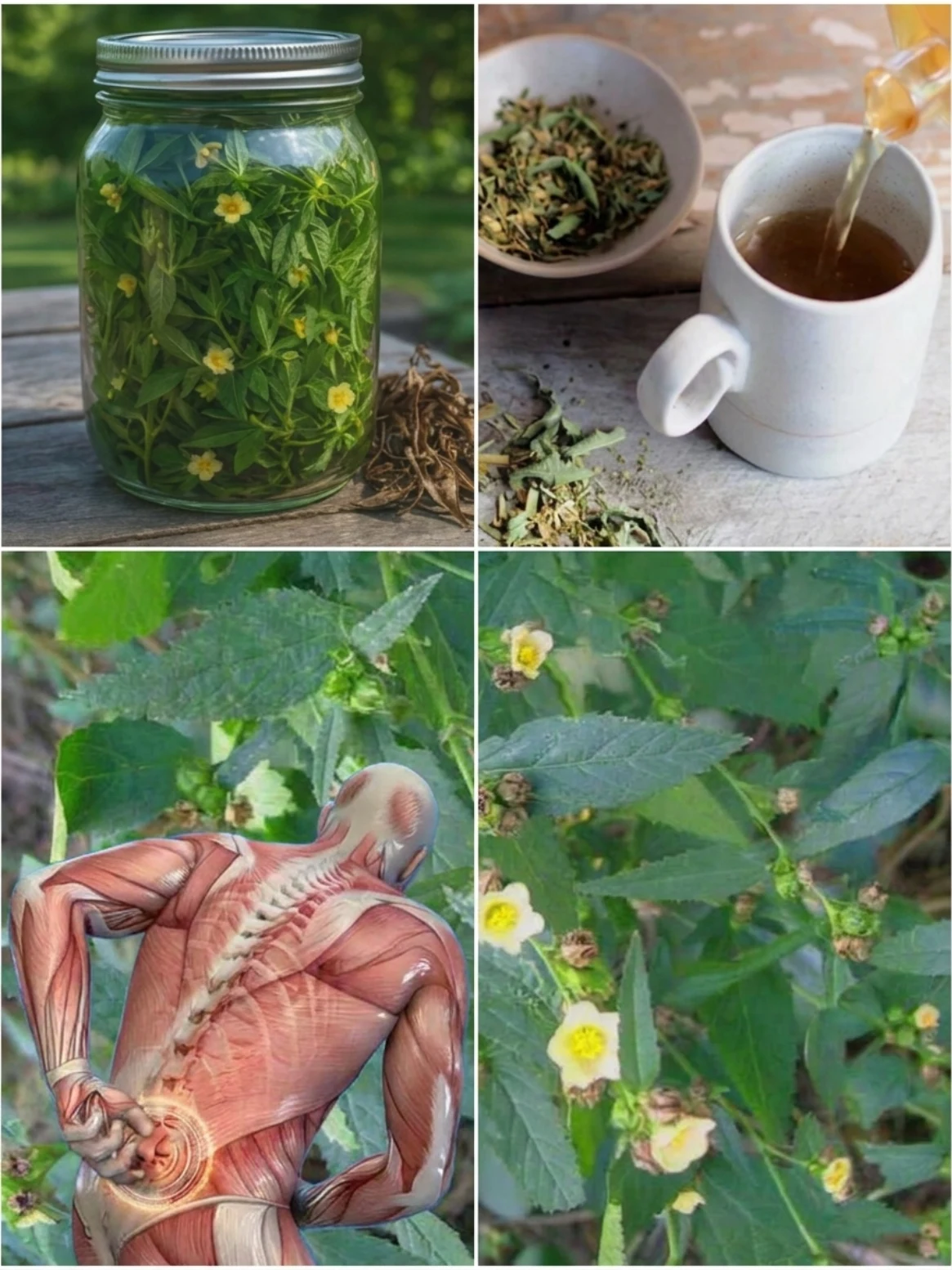
How to Prepare Sida Tea
This remedy is usually made as a light decoction rather than a quick steep.
Step 1: Clean the herb
Wash the leaves and tender stems very well to remove dust and grit.
Step 2: Add to water
Place the herb in a small pot with 2 cups of water.
Step 3: Simmer gently
Bring it to a gentle boil, then reduce the heat and simmer for about 10 to 15 minutes.
Step 4: Let it rest
Turn off the heat and let it sit for another 5 minutes.
Step 5: Strain and drink
Strain the liquid and drink it warm.
If you want a milder cup, use less herb or shorten the simmering time.
How to Use It
This kind of tea is usually taken in small, moderate amounts.
Best time to drink it
People often use it:
- In the evening after a physically tiring day
- In the morning when the body feels stiff
- During short periods of muscle or back discomfort
Quick relief timeline
If the tea suits the person drinking it, the first thing they usually notice is a gentle warming, relaxing feeling within 30 minutes to a few hours. For recurring discomfort, any benefit is usually more gradual and depends on rest, hydration, movement, sleep, and the real cause of the pain.
Why People Believe It Helps
This herb stays popular because it is often associated with body comfort and recovery in traditional use.
It is linked with muscle relaxation
Many folk pain remedies become popular because they are used after work, strain, or soreness. This herb fits that pattern well.
It is seen as a warming herb
Warm herbal decoctions are often used when pain feels tight, cold, stiff, or heavy. That warming ritual may be one reason the remedy feels helpful.
It supports a rest routine
Sometimes the biggest effect is not only the plant itself. It is the whole pattern around it: sitting down, drinking something warm, slowing the body, and letting tight muscles settle.
Who May Benefit Most
This traditional tea may appeal most to people who:
- Have mild muscle-related back discomfort
- Feel body soreness after work or exercise
- Prefer simple herbal home remedies
- Want a warming tea instead of a cold drink when pain flares up
It may be especially appealing for people who like practical, plant-based wellness habits rather than complicated formulas.
When You May Notice Changes
For mild soreness, some people notice a more settled feeling the same day.
For ongoing stiffness, results are usually more modest and may take several days of consistent supportive habits. That includes stretching, rest, hydration, and reducing strain. If the real problem is serious, the tea may only offer temporary comfort.
Simple Tips to Get More From It
A few small habits can make the remedy feel more useful:
Drink it warm, not cold
Warmth often feels more comforting for stiffness and soreness.
Pair it with gentle movement
A short walk or light stretching may help more than tea alone.
Use it during short flare-ups
This kind of remedy usually makes more sense for occasional discomfort than constant daily use.
Rest the area that hurts
No tea works well if the body keeps getting overstrained.
Safety Notes
This part matters.
- Correct plant identification is very important.
- Do not use wild herbs from polluted roadsides or sprayed areas.
- Stop if it causes stomach upset, dizziness, or any unusual reaction.
- Avoid using it as a substitute for treatment if back pain is severe, persistent, or keeps returning.
- Seek medical care if pain comes with fever, leg weakness, numbness, trouble urinating, swelling, or pain that shoots down the leg.
Pregnant women, people with chronic illness, and anyone taking regular medication should be cautious with frequent herbal remedies.
Final Takeaway
This sida tea for back pain relief is the kind of traditional remedy people keep using because it feels simple, warming, and practical. It is often used for body aches, stiffness, and mild lower back discomfort, especially after physical strain.
Its real strength is not magic. It is the combination of a warm herbal drink, a slowing-down ritual, and gentle support for an overworked body.
Related Source Science
Traditional pain-support herbs are often valued for their warming, soothing, and comfort-focused role rather than as direct cures. The most realistic expectation for a remedy like this is mild support for everyday aches, especially when combined with rest, hydration, and reducing physical strain.